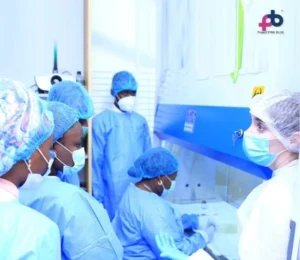
A strategic alliance of researchers, veterinary specialists, and public health educators has convened at the Lilongwe University of Agriculture and Natural Resources (LUANAR) in Malawi, marking a pivotal step in the regional fight against Neglected Tropical Diseases (NTDs). The meeting serves as a cornerstone for the NTDs Core-to-Core Project, a multi-year initiative funded by the Japan Society for the Promotion of Science (JSPS). Running from 2025 through 2028, this consortium aims to harmonize efforts between Malawi, Zambia, and Japan to dismantle the systemic barriers that allow debilitating diseases such as sleeping sickness, rabies, and leishmaniasis to persist in marginalized communities.
The One Health Imperative: A Paradigm Shift
At the heart of the consortium’s agenda is the "One Health" approach—a collaborative, multisectoral, and transdisciplinary strategy that recognizes the inextricable link between the health of humans, animals, and the shared environment. Historically, public health and veterinary medicine have operated in silos. However, given that approximately 60% of human infectious diseases are zoonotic—originating in animals—the consortium argues that treating the patient without addressing the ecological and animal-driven vectors is an incomplete solution.
By integrating the expertise of veterinary pathologists, human health practitioners, and environmental scientists, the project seeks to move beyond reactive clinical care toward proactive, ecosystem-based disease prevention. This shift is particularly critical in Sub-Saharan Africa, where the burden of NTDs remains heavily concentrated in rural areas with limited access to veterinary services, clean water, and diagnostic technology.
Chronology and Scope of the Initiative
The JSPS-funded NTDs Core-to-Core Project is designed as a four-year framework, structured to evolve from baseline research in 2025 to community-led intervention strategies by 2028. The current assembly at LUANAR functions as a foundational planning stage, where cross-border data sharing protocols are being established.
- 2025 (Inception Phase): Establishment of the cross-border diagnostic network and standardization of reporting metrics for zoonotic diseases across Malawi and Zambia.
- 2026-2027 (Implementation Phase): Scaling up of pilot programs in rural districts, with a focus on rabies vaccination and leishmaniasis screening.
- 2028 (Evaluation and Policy Integration): Synthesis of findings to inform regulatory bodies in participating nations, ensuring that local research findings are integrated into national healthcare policies.
Diagnostics and the Fight Against Emerging Pathogens
A significant portion of the discourse at the symposium focused on the diagnostic gap. Elisha Chatanga, the acting head of veterinary pathology and clinical studies at LUANAR, highlighted that while clinical awareness of NTDs is improving, the capacity to identify and manage emerging threats remains insufficient.
"In terms of diseases like leishmaniasis, which is one of them that is emerging, we suggest that we need to improve diagnostics," Chatanga noted. The focus is now on advocating for the adoption of modern, cost-effective diagnostic methods that can be easily deployed in rural hospitals. Currently, many facilities in the region rely on outdated testing protocols that often fail to detect early-stage infections. By standardizing these diagnostic pathways and presenting them to regulatory authorities, the consortium hopes to lower the threshold for treatment, thereby preventing the escalation of manageable conditions into life-threatening emergencies.
Tackling the Rabies Crisis in Rural Communities
While leishmaniasis represents an emerging threat, rabies remains a persistent, lethal, and entirely preventable challenge. Walter Muleya, a lecturer from the University of Zambia, emphasized that the efficacy of rabies control is currently bifurcated between urban and rural centers.
"While many urban areas already had relatively high levels of dog vaccination, rural communities required increased attention to prevent transmission and protect both animals and people," Muleya explained. The risk of rabies transmission in rural areas is exacerbated by the close proximity between livestock, domestic dogs, and human populations.

The consortium’s proposal involves a targeted vaccination drive coupled with community education. Because rabies is primarily transmitted via infected animals, the One Health approach dictates that the primary frontline of defense is the animal population. By boosting vaccination coverage in rural areas, the project aims to establish a "buffer zone" that prevents the spillover of the virus into human communities.
Socioeconomic Implications: NTDs as a Human Rights Issue
The discussion at LUANAR transcended technical medical data, shifting toward the socio-political dimensions of disease. Professor Emmanuel Kaunda, the Vice-Chancellor of LUANAR, framed the persistence of NTDs not merely as a biological failure, but as a human rights failure.
"Addressing NTDs should be viewed as a human rights issue, given that poverty and limited access to essential services increase the vulnerability of disadvantaged communities," Kaunda remarked. The consortium posits that the "neglected" nature of these diseases is a reflection of the economic status of those who suffer from them.
The economic implications are severe: NTDs are known to cause long-term disability, lower productivity, and keep families in cycles of poverty. By mobilizing resources toward these diseases, the consortium argues that nations are not only improving health outcomes but are also investing in the economic resilience of their most vulnerable citizens. Professor Kaunda urged for a holistic view, emphasizing that any medical intervention for animals must be paired with considerations for the human beings living in that same ecosystem. "As we are dealing with an animal disease, we must also be thinking on the other effects on human beings," he added.
Analysis of Regional Impact and Future Challenges
The success of the NTDs Core-to-Core Project will depend on the ability of the participating nations to sustain momentum after the JSPS funding cycle concludes. A significant challenge lies in the bureaucratic harmonization of health and agricultural policies. Often, veterinary and medical sectors operate under different government ministries with limited funding crossover.
Furthermore, the data collected during this project will need to be digitized and made accessible to health workers at the grassroots level. If the consortium can successfully translate academic research into actionable, policy-level change, it could serve as a blueprint for other African nations struggling with similar disease burdens.
The collaborative nature of this project—leveraging Japanese expertise in advanced science alongside the ground-level insights of Malawian and Zambian researchers—is its greatest strength. By fostering a culture of shared responsibility, the consortium aims to move away from donor-dependent, short-term relief efforts toward sustainable, local systems of health security.
Conclusion: A New Era of Cooperation
The gathering at LUANAR signals a maturing of scientific cooperation in Sub-Saharan Africa. By addressing the root causes of disease transmission through a One Health lens, the consortium is attempting to solve complex, systemic problems that have plagued the region for decades. As the project enters its active years through 2028, the focus will remain on the intersection of diagnostic innovation, rural outreach, and policy reform. Ultimately, the goal is clear: to ensure that "neglected" diseases no longer dictate the quality of life for the most vulnerable populations in Malawi, Zambia, and beyond. Through the combined efforts of educators, policymakers, and scientists, the region is taking a significant, evidence-based step toward a healthier, more resilient future.