The volatile security environment in Israel, exacerbated by the October 7, 2023, attacks and the subsequent regional conflicts, has catalyzed a significant migration of Israeli individuals and corporations to the Republic of Cyprus. For many, the Mediterranean island is no longer merely a site for seasonal tourism or speculative real estate investment; it is increasingly viewed as a permanent home or a strategic "Plan B" contingency against regional instability. This demographic and economic transition, while welcomed by the Cypriot government as a stimulus for growth, has sparked a fierce national debate regarding sovereignty, housing affordability, and the long-term impact of foreign capital on local society.
A Chronology of Intensifying Ties
The strengthening of the Israel-Cyprus corridor did not happen in a vacuum. It is the result of decades of deepening diplomatic and economic cooperation.
- 2010s: The discovery of significant natural gas reserves in the Eastern Mediterranean fostered closer security and energy cooperation between Nicosia and Jerusalem.
- 2013: Following the Cypriot financial crisis, the government introduced aggressive investment-based residency programs, which initially attracted Russian capital but laid the groundwork for foreign investment structures.
- October 2023: The onset of the Israel-Hamas war marked a turning point. The sustained threat of rocket fire and regional escalation prompted a sharp uptick in Israeli citizens seeking secondary residences.
- 2024-2025: A sustained trend of corporate relocation and residential acquisition became visible, characterized by the rise of Israeli-centric services, including kosher dining and private education infrastructure.
The Scale of the Migration
The Republic of Cyprus, with a population of approximately 920,000, is witnessing an influx that, while numerically modest compared to global migration patterns, is highly concentrated. Estimates cited by Israeli media suggest that at least 3,000 Israeli families have established permanent residency on the island. Furthermore, real estate analysts report that approximately 20,000 Israelis currently own property in the country.
Data from the Cyprus Land Registry provides a granular look at this trend. In the coastal districts of Larnaca, Paphos, and Limassol—the primary hubs for these acquisitions—there were 3,851 property transfers and sale contracts involving Israeli buyers between 2021 and 2024. This activity is not confined to residential units; it extends to large-scale tourism infrastructure. The Israeli hotel group Fattal, for example, has committed hundreds of millions of euros to projects across the island, while other investors are developing high-end residential towers in Larnaca and massive, controversial restoration projects in rural areas like Trozena.
Economic Benefits vs. Societal Friction
The Cypriot government, under President Nikos Christodoulides, maintains that attracting foreign direct investment (FDI) is essential for the nation’s economic resilience. Former Energy and Commerce Minister George Papanastasiou has frequently highlighted the government’s commitment to positioning Cyprus as a regional hub for technology and professional services, sectors where Israeli companies are increasingly prominent.
However, this economic strategy has met with growing resistance. Critics, led by the opposition Progressive Party of Working People (AKEL) and independent voices like MEP Fidias Panayiotou, argue that the rapid pace of land acquisition is distorting the local housing market. The influx of high-net-worth foreign buyers has pushed real estate prices in urban centers beyond the reach of the average Cypriot citizen, creating a crisis of affordability that is fueling nationalist sentiment and political pushback.
The criticism is often layered with historical anxiety. Having previously weathered the consequences of a massive influx of Russian capital, many Cypriots are wary of becoming overly dependent on a single foreign source of investment. The debate has recently moved from the public square to the halls of the Cypriot Parliament. Both the center-right Democratic Rally (DISY) and the left-wing AKEL have proposed legislative measures that would place restrictions on land purchases by non-EU nationals.

Security and Geopolitical Implications
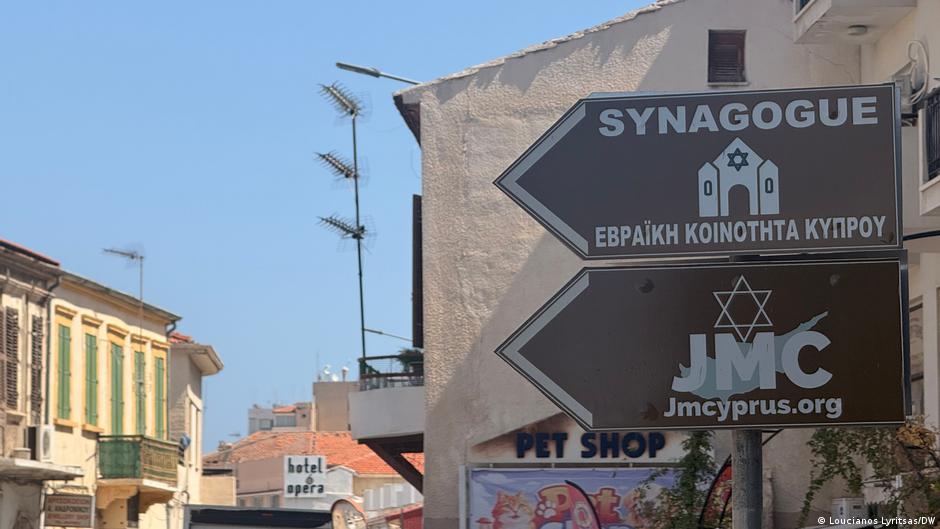
The presence of Israeli nationals has also drawn scrutiny due to the broader geopolitical climate. The establishment of infrastructure tailored to the Israeli community—ranging from specialized commercial services to a planned private Jewish school in Polemidia—has led some political commentators to suggest the creation of a "second Israel" within Cyprus.
These concerns were amplified by the presence of Israeli political campaigning on local highways, such as the advertisements for Gadi Eisenkot’s Yashar party, which brought the realities of Israeli internal politics into the Cypriot public space. Furthermore, the close security cooperation between the two nations, while a pillar of Cypriot defense strategy, is viewed with suspicion by those who fear the island is being drawn into a broader regional conflict.
Official Responses and the Risk of Polarization
The Israeli Ambassador to Cyprus, Oren Anolik, has consistently defended the presence of his compatriots, asserting that the Israeli community has integrated into the social and economic fabric of the country. Ambassador Anolik has cautioned that the political rhetoric targeting "foreign economic power" is not only inaccurate but carries the risk of fueling antisemitism. He maintains that the individuals and companies moving to Cyprus are seeking stability and contributing to the local tax base and job market.
Conversely, domestic political leaders argue that the state has a duty to protect its citizens from the externalities of global capital flows. MP Nikos Georgiou of DISY has argued that the current volume of land purchases necessitates a regulatory framework that considers the "demographic composition" and "national security" of the country. He emphasizes that the goal is not xenophobia, but a balanced approach to land management.

Analytical Perspective: A Structural Transformation
The situation in Cyprus represents a classic tension in small, open economies: the reliance on foreign capital to drive growth versus the preservation of social cohesion and housing security for the domestic population.
The "Israeli factor" is uniquely complex because it is driven by a mix of corporate strategy—using Cyprus as a gateway to the European Union—and personal survival. As long as the security situation in the Middle East remains volatile, the demand for "Plan B" locations will likely persist.
For the Cypriot government, the challenge moving forward will be to manage this transition without alienating a key economic partner or exacerbating the domestic housing crisis. The proposed legislative restrictions in parliament suggest that the era of "unconditional" openness to foreign real estate investment is coming to an end, replaced by a more cautious, protectionist stance that reflects the anxieties of an electorate concerned about the changing character of their country.
As the debate intensifies, the outcome will likely serve as a benchmark for how small Mediterranean states balance their integration into the global economy with the protection of their national identity and social stability. Whether through caps on foreign ownership, stricter zoning laws, or increased social housing initiatives, the government is under mounting pressure to demonstrate that the interests of the local population remain the priority in an increasingly globalized market.