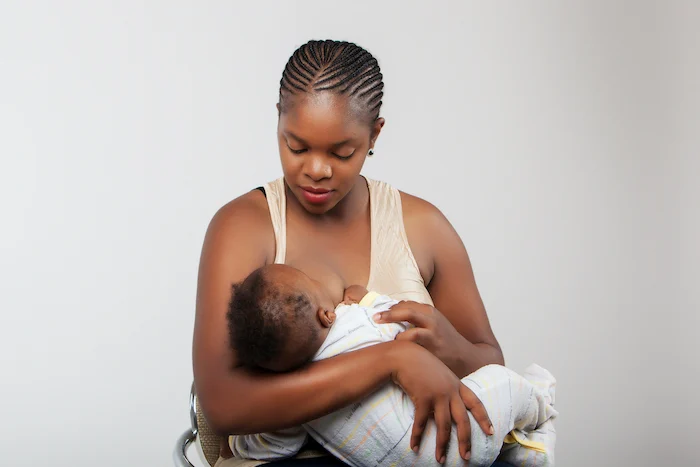
The Federal Ministry of Health and Social Welfare has issued a comprehensive call to action for all Nigerians to bolster support systems for breastfeeding, emphasizing the need to create enabling environments for mothers across various settings, including homes, local communities, healthcare facilities, and workplaces. This appeal comes as part of the government’s strategic preparations for the 2026 World Breastfeeding Week, an annual global initiative dedicated to raising awareness and galvanizing action on breastfeeding as a cornerstone of public health and infant survival.
In an official statement released on Tuesday in Abuja, the ministry’s Assistant Director of Information and Public Relations, Ado Bako, detailed the government’s vision for the upcoming commemoration. Scheduled to take place from August 1 to August 7, 2026, the event will be observed under the global theme: “Breastfeeding for a Sustainable Start in Life: Strengthen What Works.” This theme is designed to focus international and domestic attention on scaling up proven strategies that have historically improved breastfeeding rates, while simultaneously addressing broader issues of nutrition, food security, and the eradication of extreme poverty.
According to Mr. Bako, the 2026 theme serves as a critical reminder that while progress has been made in maternal and child health, there is an urgent need to institutionalize the practices that yield the best results for the population. By strengthening existing frameworks and support systems, Nigeria aims to bridge the gap between policy and practice, ensuring that every child is afforded the biological and nutritional advantages of breast milk.
The Foundation of Lifelong Health and Human Capital
The Federal Ministry of Health and Social Welfare characterizes breastfeeding not merely as a biological process, but as the foundational pillar of lifelong health and national development. Mr. Bako noted that breast milk provides the optimal balance of nutrients required for an infant’s growth, particularly during the first 1,000 days of life, which are considered a "critical window" for physical and cognitive development.
“Breastfeeding supports healthy brain development, improves child survival, and contributes significantly to human capital development and national productivity,” Mr. Bako stated. He further elaborated that the cognitive benefits associated with breastfeeding are directly linked to educational attainment and, subsequently, the economic earning potential of individuals later in life. By investing in breastfeeding support today, the ministry argues that Nigeria is effectively investing in the future workforce and the overall prosperity of the nation.
Beyond the immediate health benefits for the child, the ministry highlighted the systemic advantages of high breastfeeding rates. These include a substantial reduction in national healthcare expenditures, as breastfed infants are less likely to suffer from acute infections such as pneumonia and diarrhea—the leading causes of under-five mortality in sub-Saharan Africa. Furthermore, breastfeeding promotes social equity by providing a high-quality, cost-free source of nutrition that is accessible to all families, regardless of their socioeconomic status.

National Recommendations and Optimal Feeding Practices
To achieve the desired health outcomes, the ministry reiterated its official recommendations for infant and young child feeding (IYCF). These guidelines, which align with the standards set by the World Health Organization (WHO) and UNICEF, include:
- Early Initiation: Commencing breastfeeding within the first hour of birth to ensure the infant receives colostrum, the "first vaccine," which is rich in antibodies.
- Exclusive Breastfeeding: Providing only breast milk, with no additional food or water, for the first six months of a child’s life.
- Complementary Feeding: Introducing safe, nutritionally adequate, and age-appropriate solid and semi-solid foods at six months of age.
- Continued Breastfeeding: Maintaining breastfeeding alongside complementary foods for up to two years of age or beyond.
Mr. Bako emphasized that breast milk remains the ideal food for infants because it is safe, hygienic, and contains antibodies that protect against many common childhood illnesses. In a climate where water quality can sometimes be a concern, exclusive breastfeeding eliminates the risks associated with contaminated water used to mix infant formula.
Addressing the Economic Burden of Formula Feeding
A significant portion of the ministry’s message focused on the economic relief that breastfeeding provides to Nigerian families. In an era of fluctuating global food prices and economic challenges, the high cost of infant formula represents a substantial financial burden for many households. By adhering to exclusive breastfeeding, families can redirect limited resources toward other essential needs, such as healthcare for other family members, education, and improved housing.
Moreover, the ministry pointed out that the "cost of not breastfeeding" extends to the national economy. When breastfeeding rates are low, the prevalence of childhood illnesses increases, leading to higher absenteeism for working parents and increased strain on the public health system. By promoting breastfeeding, the government aims to create a more resilient and economically stable society.
A Multi-Sectoral Responsibility: Creating Enabling Environments
The Ministry of Health and Social Welfare stressed that the responsibility for successful breastfeeding does not rest solely on the mother. Instead, it requires a "warm chain of support" involving various stakeholders.
“Families, healthcare providers, employers, communities, and policymakers all have critical roles in ensuring that breastfeeding mothers receive adequate care, encouragement, and workplace support,” Bako said.
For employers, this involves the implementation of mother-friendly workplace policies, such as providing designated private spaces for expressing milk, allowing flexible working hours, and adhering to national laws regarding paid maternity leave. In healthcare settings, it involves training staff to provide skilled breastfeeding counseling and ensuring that facilities follow the "Baby-Friendly Hospital Initiative" (BFHI) protocols. At the community level, it involves debunking myths and cultural taboos that may discourage mothers from breastfeeding in public or adhering to exclusive breastfeeding.

Chronology of Events and National Commemoration
The activities for the 2026 World Breastfeeding Week are designed to be inclusive and nationwide. The timeline for the week-long event includes:
- August 1: Official launch of World Breastfeeding Week with simultaneous awareness walks and community town halls across the 36 states and the Federal Capital Territory (FCT).
- August 3: The National Commemoration ceremony in Abuja. This flagship event is expected to bring together high-level government officials, international partners like UNICEF and the WHO, and civil society organizations to renew their commitment to infant nutrition.
- August 4-6: A series of media conferences and technical webinars led by the Coordinating Minister of Health and Social Welfare. These sessions will focus on the data-driven impacts of breastfeeding and the progress of the National Multi-Sectoral Plan of Action for Food and Nutrition.
- August 7: Community outreach programs targeting rural and underserved populations, providing direct support and education to nursing mothers and their families.
Background and Broader Context: Nigeria’s Nutritional Landscape
The push for enhanced breastfeeding support comes at a time when Nigeria is striving to meet the World Health Assembly (WHA) target of increasing the rate of exclusive breastfeeding to at least 50% by 2025. While Nigeria has seen a steady increase in exclusive breastfeeding rates over the last decade—rising from approximately 17% in 2013 to 34% in recent surveys—significant gaps remain.
Stunting and malnutrition continue to be major public health challenges in Nigeria. According to recent health indices, millions of Nigerian children under five suffer from chronic malnutrition, which leads to irreversible physical and cognitive damage. The Ministry of Health views breastfeeding as the most cost-effective intervention to combat these issues.
The 2026 World Breastfeeding Week also aligns with Nigeria’s commitment to the Sustainable Development Goals (SDGs), particularly SDG 2 (Zero Hunger) and SDG 3 (Good Health and Well-being). By focusing on "Strengthening What Works," the government is shifting its strategy from mere awareness to the active removal of barriers that prevent mothers from following optimal feeding practices.
Implications and Fact-Based Analysis
The ministry’s proactive stance ahead of the 2026 commemoration suggests a shift toward a more aggressive public health policy regarding infant nutrition. Analysts suggest that for these calls to result in tangible changes, the government may need to strengthen the enforcement of the International Code of Marketing of Breast-milk Substitutes. This code aims to protect breastfeeding by restricting the aggressive marketing of infant formula, which can often mislead parents into believing that artificial substitutes are superior to breast milk.
Furthermore, the emphasis on workplace support highlights a growing recognition of the changing demographics of the Nigerian workforce. As more women enter formal and informal employment, the lack of supportive infrastructure has become a primary reason for the early cessation of breastfeeding. Legislative support for extended maternity leave—moving toward the ILO-recommended 18 weeks—remains a key point of advocacy for nutrition experts in the country.
In conclusion, the Federal Ministry of Health and Social Welfare’s call is a call for a collective national investment. As Mr. Bako aptly summarized, "Collective action to protect, promote, and support breastfeeding is an investment in healthier children, stronger families, and a more prosperous Nigeria." The 2026 World Breastfeeding Week serves as both a celebration of progress and a rigorous roadmap for the work that remains to be done in securing a sustainable start in life for every Nigerian child.