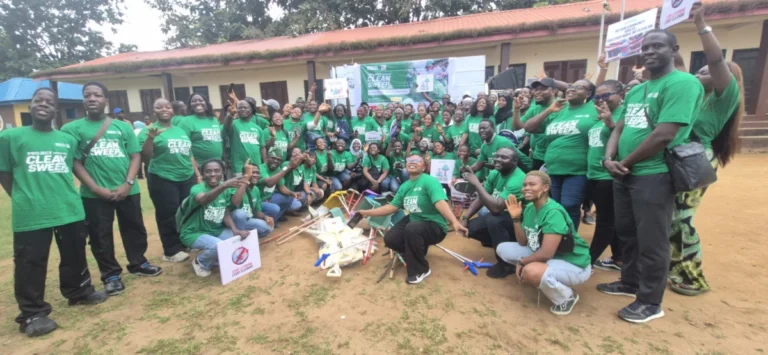
The intersection between environmental sustainability and public health took center stage on a Saturday morning in Lagos, as Fidson Healthcare Plc mobilized its corporate workforce, executives, and volunteers for a sweeping community sanitation drive. Tagged Project Clean Sweep 2026, the extensive exercise covered key commercial and residential corridors in the state, specifically targeting the bustling axes of Obanikoro, Fadeyi, Shipeolu, Palmgrove, and Shomolu.
Organized in strategic partnership with the African Cleanup Initiative (ACI) and bolstered by the operational support of the Lagos Waste Management Authority (LAWMA) advocacy team, the initiative formed a core component of Fidson Healthcare’s corporate social responsibility (CSR) framework. The campaign directly coincided with preparations for World Cleanup Day 2026—an established global citizen movement held annually on September 20 to combat rampant waste pollution, foster sustainable resource management, and encourage systemic behavioral shifts toward urban cleanliness.
By taking the initiative directly to the streets, markets, and drainage paths surrounding its corporate headquarters, the pharmaceutical manufacturing giant sought to demonstrate that corporate entities can serve as catalysts for grassroots environmental stewardship. The collaborative endeavor successfully united corporate employees, environmental activists, local traders, and state regulatory advocates under a unified banner of civic responsibility and proactive health promotion.
Chronology of the Exercise and Strategic Deployment
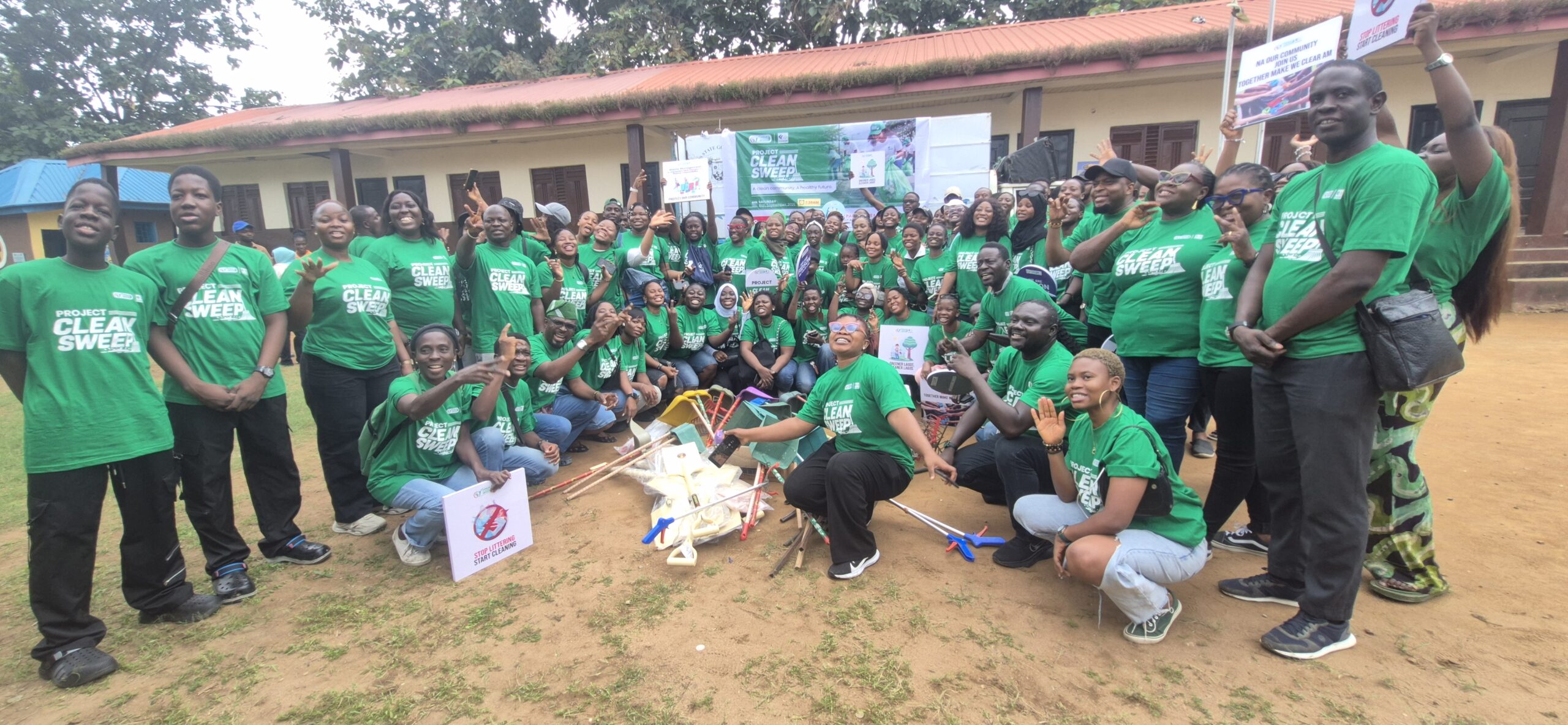
The day’s activities commenced early in the morning, with participants converging at designated staging areas across the Obanikoro and Shomolu corridors before deploying into tactical teams. Equipped with protective gear, trash bags, clearing tools, and advocacy banners, the volunteers moved systematically through residential streets, major thoroughfares, and commercial hubs.
A vital operational phase of the cleanup involved entering local neighborhood markets. Here, corporate volunteers and ACI members did not merely collect discarded refuse; they actively engaged market vendors, shop owners, and pedestrians in direct conversations regarding waste disposal etiquette, the dangers of clogging drainage systems, and the long-term benefits of maintaining pristine communal trading spaces.
Throughout the morning, LAWMA’s advocacy team worked alongside the volunteers, providing technical guidance on waste sorting, highlighting state-level sanitation policies, and ensuring that the collected debris was efficiently cataloged and evacuated for proper municipal processing. The multi-layered approach ensured that the cleanup was not viewed merely as a one-off cosmetic exercise, but as an educational and operational blueprint for sustainable urban maintenance.
Bridging Environmental Sustainability and Public Health
Addressing participants and community stakeholders during the event, Adejoke Alli, the Associate Director of Business Operations at Fidson Healthcare, underscored the intrinsic link between a clean physical environment and human health outcomes. She explained that the choice of the host communities—Obanikoro, Fadeyi, Shipeolu, and Shomolu—was deliberate, given their proximity to the company’s administrative and operational headquarters.

"The whole idea is to do our part to ensure that we have a greener Lagos and a greener environment, particularly in our host community where our head office is located," Ms. Alli stated. She emphasized that the organization’s dedication to environmental sustainability is deeply rooted in its overarching Environmental, Social, and Governance (ESG) framework.
According to Ms. Alli, maintaining a minimized carbon footprint, fostering habitable urban spaces, and cultivating ecosystems that naturally promote public wellness are non-negotiable pillars of the company’s operational philosophy. She noted that rather than remaining passive observers or limiting corporate participation to verbal critiques of urban waste challenges, Fidson chose tangible, boots-on-the-ground action to prove that collective civic participation yields measurable results.
Echoing these sentiments, Tosin Shoboyede, Human Resources Business Partner at Fidson Healthcare, linked the sanitation drive directly to the company’s corporate motto, "We value life." Mr. Shoboyede articulated that corporate citizenship extends beyond commercial pharmaceutical production into the active safeguarding of the physical habitats where consumers live and work. He maintained that environmental cleanliness remains one of the most cost-effective and preventative measures for ensuring long-term community health.
Grassroots Mobilization and Behavioural Transformation
While corporate backing provided logistical momentum, community-focused organizations underscored the necessity of behavioral transformation. Alexander Kibe, the Founder and President of the African Cleanup Initiative, shared insights gathered from 16 years of environmental advocacy across Nigeria’s six geopolitical zones.

Mr. Kibe stressed that physical cleanups alone are insufficient if the underlying behavioral patterns of citizens remain unchanged. "We cannot leave everything to the government," Mr. Kibe asserted, pointing out that civic pride and individual accountability are the primary defenses against systemic environmental degradation. He noted that ACI’s ongoing strategy involves continuous engagement with local residents, market traders, and passers-by to ensure that cleanliness becomes a sustained cultural habit long after the cleanup teams have departed.
This perspective was further reinforced by Munnir Adams, Founder of Climb with Me and an active ACI volunteer. Mr. Adams argued that while municipal waste management systems require structural improvements and governmental oversight, citizens must abandon the habit of shifting total blame to authorities while neglecting the maintenance of their immediate streetfronts and drainage channels.
Adding a psychological dimension to the discourse, Rachel Coker, another veteran ACI volunteer with over a year of active service in the movement, highlighted the invisible toll of environmental neglect. Ms. Coker noted that routine environmental sanitation drastically reduces community exposure to disease-causing pathogens, vectors like mosquitoes and rodents, and simultaneously enhances the psychological and mental well-being of residents living in orderly, clean surroundings. She emphasized that the volunteers view themselves as living examples, hoping to inspire everyday citizens to adopt sanitation as an intrinsic daily routine rather than a legally mandated chore.
Broader Impact, Policy Implications, and ESG Integration
The collaboration between Fidson Healthcare, the African Cleanup Initiative, and LAWMA reflects a growing corporate evolution across West Africa, where Environmental, Social, and Governance (ESG) metrics are increasingly integrated into core business strategies. For a pharmaceutical company, investing in environmental hygiene represents a preventative healthcare strategy. Cleaner communities experience lower incidences of waterborne diseases, respiratory infections linked to open-air waste burning, and vector-borne illnesses such as malaria.

From an economic standpoint, rapid urbanization in megacities like Lagos places immense pressure on municipal waste management infrastructure. State agencies such as LAWMA continually face logistical hurdles in managing the sheer volume of refuse generated daily by millions of residents and commercial enterprises. Public-private partnerships (PPPs) and corporate social responsibility interventions help bridge these infrastructural deficits by injecting private capital, employee volunteer power, and public awareness campaigns into critical neighborhoods.
Furthermore, initiatives aligned with World Cleanup Day serve as vital data-gathering and policy-shaping opportunities. By analyzing the composition of collected waste—predominantly single-use plastics, packaging materials, and non-biodegradable polymers—corporations and state regulators can better design Extended Producer Responsibility (EPR) programs, promote circular economy models, and advocate for stricter manufacturing and recycling regulations.
Conclusion: A Model for Future Urban Stewardship
As Project Clean Sweep 2026 concluded, the participating organizations expressed optimism regarding the receptiveness of the local communities in Obanikoro, Fadeyi, Shipeolu, and Shomolu. The combination of high-level corporate commitment, grassroots activist mobilization, and state-backed regulatory advocacy established a replicable framework for future urban renewal projects across Nigeria.
Fidson Healthcare’s leadership confirmed their intention to sustain these environmental preservation efforts well beyond the World Cleanup Day calendar, ensuring that corporate stewardship remains a permanent fixture of community development in Lagos. Through sustained collaboration, education, and active civic participation, the initiative demonstrated that achieving a cleaner, greener, and healthier urban future is an attainable goal when corporate vision aligns with community action.




