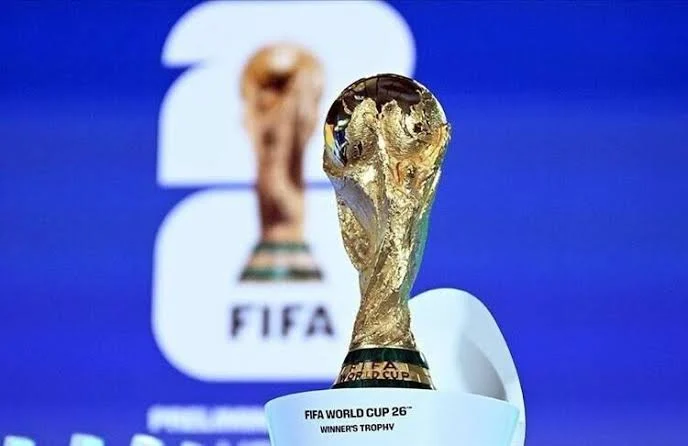
Zurich, Switzerland – In a move that echoes traditions long established in the landscape of American professional sports, the Fédération Internationale de Football Association (FIFA) has announced a groundbreaking alteration to the accolades bestowed upon its most prestigious tournament’s victors. For the first time in the 96-year history of the FIFA World Cup, the victorious national team will be presented with championship rings, a symbolic gesture that elevates the recognition of their monumental achievement. This historic decision, confirmed by the global football governing body, introduces a novel layer of prestige to an already iconic trophy and medal ceremony, drawing a parallel to the championship ring culture prevalent in leagues such as the NFL, NBA, MLB, and NHL.
The introduction of championship rings signifies a profound evolution in how FIFA intends to commemorate World Cup success. Beyond the coveted FIFA World Cup Trophy and the traditional winners’ medals, these specially crafted rings will serve as tangible, enduring symbols of a team’s journey to the pinnacle of international football. Each member of the victorious squad, along with key coaching and support staff, will receive one of 30 exclusive championship rings, designed to encapsulate the magnitude of their accomplishment. This initiative aims to provide players and personnel with a lasting keepsake, a personal testament to their dedication, skill, and triumph on the global stage.
The decision to adopt championship rings is not solely focused on the immediate victors. In a move designed to foster deeper engagement with the sport’s global fanbase, FIFA will also release 1,996 commemorative rings for public purchase. This specific number, 1,996, holds significant historical weight within FIFA’s own narrative. It pays homage to the year 1996, the pivotal moment when FIFA officially introduced the FIFA World Cup champions’ badge. This commemorative edition offers supporters an unprecedented opportunity to own a piece of football history, a collector’s item that connects them directly to the legacy of the World Cup. The rings are expected to become highly sought-after by enthusiasts and collectors alike, serving as a tangible link to the dreams and aspirations embodied by the tournament.
A Legacy of Recognition: The Evolution of World Cup Accolades
The FIFA World Cup, inaugurated in 1930, has a rich history of rewarding its champions. Initially, the Jules Rimet Trophy (later renamed the World Football Championship Trophy) was the primary symbol of victory, accompanied by medals for the winning players. The iconic FIFA World Cup Trophy, as it is known today, was introduced in 1974 and has since become one of the most recognizable sporting symbols worldwide. Winners’ medals have also been a constant feature, signifying individual achievement within the collective triumph.
However, the concept of a championship ring, deeply embedded in the sports culture of North America, has remained absent from football’s ultimate prize. The NFL’s Super Bowl champions, NBA Finals victors, MLB World Series winners, and NHL Stanley Cup champions all receive intricately designed rings that are often passed down through generations. These rings are not merely pieces of jewelry; they are emblems of dedication, sacrifice, and ultimate success, representing countless hours of training, strategic planning, and unwavering team spirit.
The introduction of rings to the World Cup signifies FIFA’s acknowledgment of this deeply ingrained sporting tradition. It represents a conscious effort to enhance the celebratory aspect of the tournament and to provide a more personal and enduring form of recognition for the athletes who achieve the extraordinary. This aligns with FIFA’s broader mission to promote football globally and to foster a deeper connection between the sport and its vast community of fans.
The Significance of 1996 and the Champions’ Badge
The choice of 1,996 commemorative rings for fans is a deliberate and symbolic nod to a significant moment in FIFA World Cup history. The year 1996 marked the official introduction of the FIFA World Cup champions’ badge. This badge, a distinctive emblem worn on the jerseys of the reigning World Cup champions during subsequent international matches and tournaments, serves as a constant reminder of their status as the world’s best. It is a mark of pride and a symbol of continued excellence.
The introduction of the champions’ badge itself was a significant development, adding another layer of prestige to the World Cup title. It provided a visual representation of dominance that extended beyond the immediate post-tournament celebrations. By linking the commemorative rings to this specific year, FIFA is not only creating a collector’s item but also subtly reinforcing the historical significance of the World Cup and the enduring legacy of its champions. This connection adds a narrative depth to the fan editions, making them more than just merchandise, but rather pieces of sporting heritage.
Implications and Future Outlook
The introduction of championship rings is poised to have several implications for the FIFA World Cup and the broader football landscape. Firstly, it is likely to elevate the perceived value and prestige of winning the tournament even further. While the World Cup is already considered the ultimate prize in football, the addition of a tangible, personal symbol of victory will undoubtedly resonate with players and fans alike. This could also lead to increased media attention and public interest surrounding the post-victory celebrations and the unveiling of the rings.
Secondly, the fan edition rings are expected to become highly coveted collector’s items. The limited production run of 1,996, coupled with the symbolic connection to the champions’ badge, will likely drive demand among dedicated football enthusiasts. This could open up new revenue streams for FIFA and create a stronger economic link between the tournament and its global fanbase. The pricing and availability of these rings will be crucial factors in determining their accessibility and desirability.
However, FIFA has yet to release specific details regarding the design, materials, pricing, production timeline, or global availability of both the championship rings for the winning team and the commemorative fan editions. These details will be eagerly awaited by the football community. The design of the rings will play a crucial role in their appeal, with intricate detailing and high-quality craftsmanship expected to be paramount. The materials used will also contribute to their perceived value and exclusivity.
The decision to adopt championship rings also raises questions about potential future expansions of such traditions within FIFA’s other major tournaments, such as the FIFA Women’s World Cup or the FIFA Club World Cup. While the focus is currently on the men’s senior World Cup, the success and reception of this initiative could pave the way for similar recognition in other competitions.
The move also highlights a growing trend of global sports organizations borrowing successful elements from different sporting cultures to enhance their own events. The championship ring, a distinctly American sports tradition, is now set to become a part of football’s most celebrated tournament, demonstrating the interconnectedness of the global sporting world and the universal appeal of recognizing athletic excellence.
Expert and Fan Reactions (Inferred)
While official statements from prominent figures beyond FIFA have not yet been widely disseminated, the announcement has already generated considerable discussion across social media platforms and sports forums. It is anticipated that football legends and current players who have lifted the World Cup trophy will express their enthusiasm for this new form of recognition. For many, the opportunity to receive a championship ring would be a dream come true, a tangible reminder of a career-defining achievement.
Fans, particularly those who have followed the sport for decades, are likely to have a mixed but largely positive reaction. While some may express reservations about deviating from long-standing traditions, the allure of owning a piece of World Cup history through the commemorative rings is expected to be a significant draw. The symbolic link to the champions’ badge is particularly likely to resonate with supporters who value the historical context and heritage of the sport.
Sports analysts are likely to view this as a shrewd marketing and engagement strategy by FIFA, aimed at modernizing the tournament’s celebratory aspects and appealing to a younger, more globally diverse audience. The comparison to established traditions in American sports suggests a desire by FIFA to elevate the World Cup’s brand and commercial appeal on a global scale.
The future of World Cup celebrations now includes a new, glittering dimension. As FIFA prepares to craft these symbolic tokens of ultimate victory, the anticipation builds for the next tournament, where a new set of champions will not only lift the iconic trophy but also receive the coveted championship rings, etching their names even more deeply into the annals of football history. The introduction of championship rings marks a significant moment in the evolution of the FIFA World Cup, blending tradition with contemporary sporting accolades and promising a new era of recognition for football’s elite.