In a landmark decision set to redefine the celebration of football’s ultimate triumph, FIFA has announced that the winners of the 2026 FIFA World Cup will be presented with bespoke championship rings, a tradition previously exclusive to American sports. This historic innovation will see the champions receive these coveted pieces of memorabilia alongside the iconic World Cup trophy and gold medals after the final match on Sunday, July 19, 2026, at the New York New Jersey Stadium. This marks the first time a FIFA competition will incorporate such a significant element of celebratory regalia, aiming to blend the global allure of football with a deeply ingrained tradition of American sporting achievement.
The introduction of championship rings to the FIFA World Cup stage signifies a significant evolution in how victory at this prestigious tournament will be commemorated. For decades, the World Cup has been synonymous with the lifting of the golden trophy and the awarding of gold, silver, and bronze medals. However, this new tradition, inspired by the championship rings awarded in leagues such as the NFL, NBA, and MLB, aims to provide the winning team with a tangible and enduring symbol of their extraordinary accomplishment. This move is expected to resonate deeply with fans and players alike, adding another layer of prestige and historical significance to the tournament.
A New Tradition for Football’s Pinnacle Event
The 2026 FIFA World Cup, already notable for being the first to feature an expanded 48-team format and hosted across three North American nations – the United States, Canada, and Mexico – will now also be remembered for introducing this distinctive award. The championship rings are not merely symbolic; they are meticulously crafted pieces designed to represent the magnitude of winning the world’s most-watched sporting event.
FIFA has commissioned a strictly limited collection of 2,026 individually numbered rings, a number deliberately chosen to honor the year of the tournament. This limited edition ensures the exclusivity and collectible nature of these rings. Of this collection, only 30 rings will be designated for the members of the championship-winning team. This includes players, coaching staff, and potentially other key personnel, ensuring that those directly involved in achieving the ultimate victory are recognized.
The remaining 1,996 rings will be released to the public as Official Licensed Products. This strategic decision offers football enthusiasts worldwide an unprecedented opportunity to own a piece of World Cup history. The availability of these rings to the broader fan base is likely to generate significant commercial interest and further enhance the global appeal and economic impact of the tournament. It allows fans to feel more connected to the event and to celebrate the achievements of their national teams in a unique and lasting way.
Design and Presentation: A Blend of Global and Local
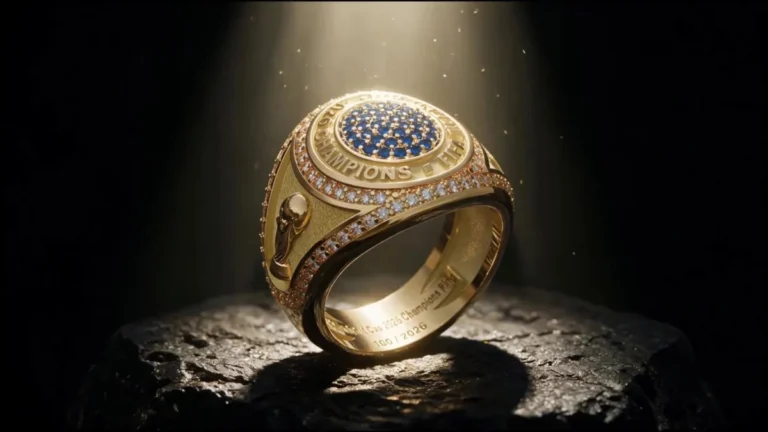
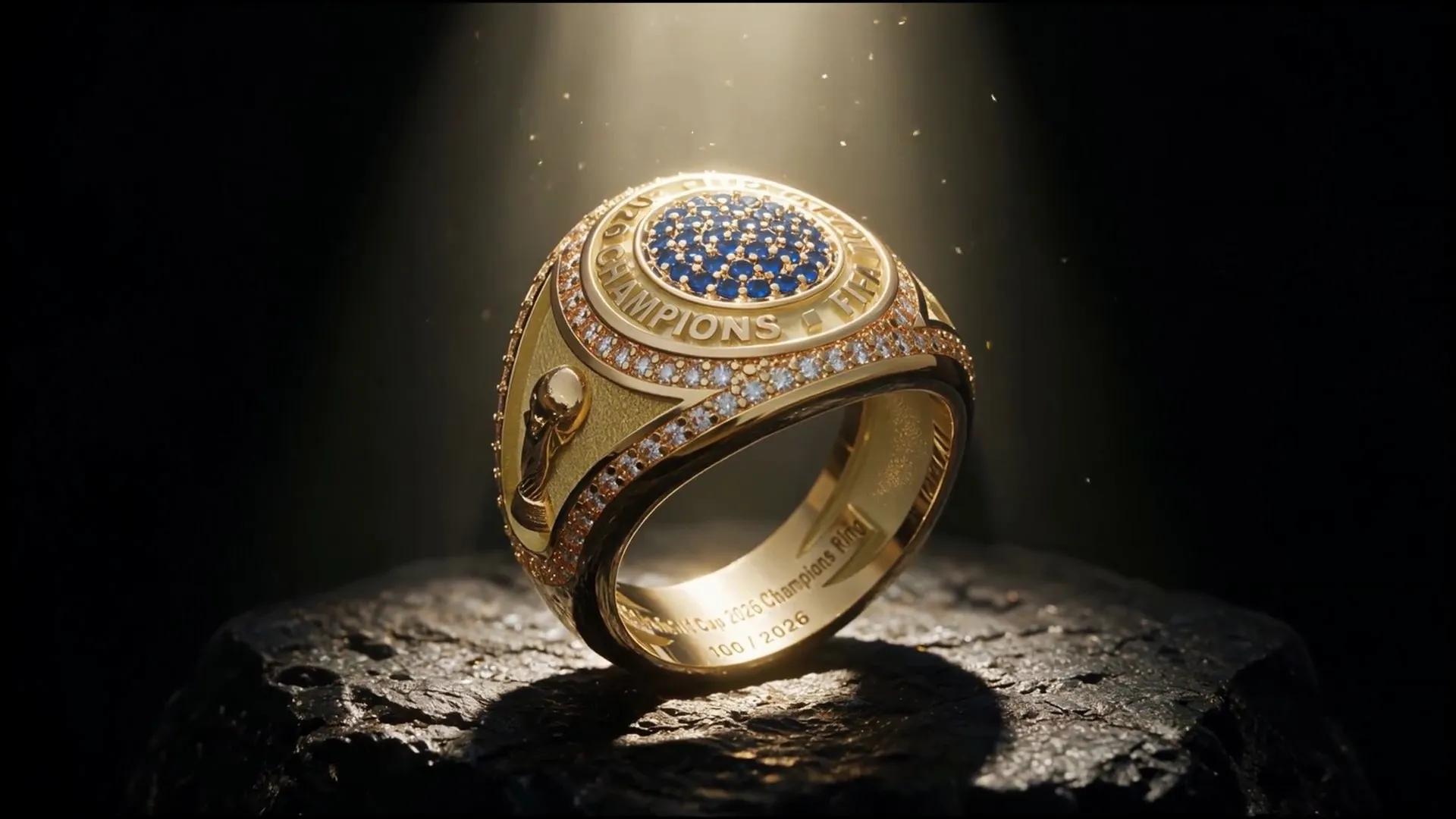
Each championship ring is being designed with unique features that pay homage to the tournament and its victors. A prominent element on one side of the ring will be the universally recognized FIFA World Cup Trophy, symbolizing the ultimate prize. The opposite side will be custom-designed to reflect the identity of the victorious nation, incorporating national symbols, colors, or motifs. This personalization ensures that each ring is not just a generic award but a specific emblem of that nation’s historic triumph.
Furthermore, every ring will be individually numbered, custom-fitted to its recipient, and accompanied by a certificate of authenticity. These details underscore the premium nature of the award and guarantee its legitimacy and value. The custom fitting is particularly important, reflecting the high standards of such prestigious awards in professional sports.
FIFA has also outlined a two-stage presentation process to ensure a memorable and efficient celebration. Immediately following the final whistle of the championship match, the captain and head coach of the winning team will receive temporary championship rings on the field. These temporary rings will serve as an immediate on-field acknowledgment of their victory during the immediate post-match celebrations, allowing for iconic photographs and jubilant moments.
The permanent, custom-fitted rings for all 30 recipients will then be officially presented at a later, dedicated ceremony. This approach allows for the meticulous customization required for a perfect fit and ensures that the formal presentation is a dignified and significant event in its own right. This phased approach balances the spontaneity of on-field celebrations with the formality and precision required for such valuable awards.
Historical Context and Future Implications
The 2026 FIFA World Cup is already poised to be a monumental event. Co-hosted by the United States, Canada, and Mexico, it will be the largest World Cup ever held, with an increased number of participating teams (48) and matches. The tournament is scheduled to kick off on June 11, 2026, with the final match concluding on July 19, 2026. The final is set to take place at the MetLife Stadium, which will be known as the New York New Jersey Stadium for the duration of the tournament. This location in a major global hub underscores the significance of the event.
The introduction of championship rings is not the only significant development surrounding the 2026 final. Recent reports have indicated that former U.S. President Donald Trump is expected to attend the 2026 World Cup final and potentially present the trophy to the champions. While such details are subject to final arrangements and political considerations, the possibility itself highlights the high-profile nature of the event and its potential intersection with global political figures.

The integration of championship rings into the World Cup tradition is a strategic move by FIFA to further elevate the tournament’s profile and appeal, particularly within the North American market where such awards are deeply ingrained in the sporting culture. This could also have implications for how other major international sporting events approach their championship commemorations in the future.
From a commercial perspective, the limited edition rings present a significant revenue-generating opportunity for FIFA and its partners. The market for exclusive sports memorabilia is substantial, and these rings are expected to become highly sought-after collector’s items. The success of this initiative could pave the way for similar merchandise strategies in future FIFA events.
Supporting Data and Fan Engagement
The FIFA World Cup is already the most-watched sporting event globally, with the 2022 FIFA World Cup in Qatar reaching an estimated global audience of 5 billion people across all platforms. The expanded format of the 2026 tournament is projected to further increase viewership and engagement. The introduction of championship rings is expected to amplify this engagement by providing fans with a tangible connection to the tournament’s ultimate outcome.
The decision to release 1,996 rings to the public is a carefully calculated move to capitalize on fan enthusiasm. The pricing and distribution strategy for these rings will be critical to their success. Early indications suggest that these will be positioned as premium collector’s items, likely with price points reflecting their exclusivity and historical significance. Fan forums and social media are already abuzz with speculation about the design elements and the potential cost of these rings, indicating a strong level of interest.
The concept of custom-fitted rings also speaks to the growing trend of personalized fan experiences in sports. As fans increasingly seek unique ways to connect with their favorite teams and athletes, the ability to own a piece of championship history, crafted to commemorate a specific national victory, holds immense appeal.
Official Statements and Reactions (Inferred)
While direct quotes from FIFA officials regarding the championship rings were not extensively detailed in the initial announcement, the strategic rationale behind this decision can be inferred. FIFA’s leadership is likely aiming to:

- Enhance the Prestige of the World Cup: By adopting a tradition associated with elite sporting achievements in one of the host nations, FIFA seeks to imbue the World Cup with an even greater aura of accomplishment.
- Boost Commercial Revenue: The sale of limited edition rings represents a significant new revenue stream, crucial for funding FIFA’s development programs and operational costs.
- Engage a Wider Audience: Introducing a familiar and celebrated element of American sports culture can help further embed the World Cup within the consciousness of the North American public and, by extension, a global audience accustomed to such traditions.
- Modernize Tournament Celebrations: The move signifies a willingness by FIFA to adapt and innovate, ensuring that the World Cup remains a contemporary and exciting event that resonates with modern sporting sensibilities.
National football federations of potential winning nations will likely welcome this initiative. For them, it represents an additional layer of recognition for their athletes and a powerful incentive for national pride. The ability to display these rings, alongside the trophy, will serve as a lasting testament to their nation’s sporting excellence on the global stage.
Broader Impact and Implications
The introduction of championship rings to the FIFA World Cup is more than just a new award; it is a cultural integration that bridges the gap between global football and established North American sporting rituals. This fusion could have several implications:
- Globalization of Sporting Traditions: As global sports continue to converge, we may see more instances of traditions being adopted and adapted across different sporting codes and continents.
- Increased Commercialization of Football: While the World Cup is already a highly commercialized event, this move further underscores the financial opportunities inherent in global football, potentially leading to more such merchandising innovations.
- Enhanced Fan-Fan and Fan-Athlete Connection: The rings offer a tangible link between the pinnacle of athletic achievement and the dedicated fan base, fostering a deeper sense of shared success.
- A Lasting Legacy: Beyond the immediate celebrations, these rings will serve as enduring symbols of the 2026 FIFA World Cup and the nation that conquered it, preserving the memory of this historic tournament for future generations. The individually numbered, bespoke nature of the rings ensures that each piece is unique and carries its own story, contributing to the rich tapestry of World Cup history.
The 2026 FIFA World Cup is shaping up to be an event of unprecedented scale and significance. The addition of championship rings as a prize ensures that the victors will not only etch their names in football history but will also possess a tangible, deeply symbolic artifact of their global supremacy, a testament to their journey on the world’s grandest sporting stage. This innovation promises to add a glittering new chapter to the storied legacy of the FIFA World Cup.