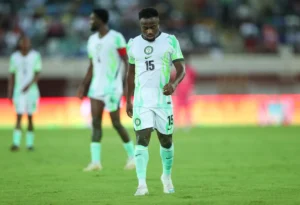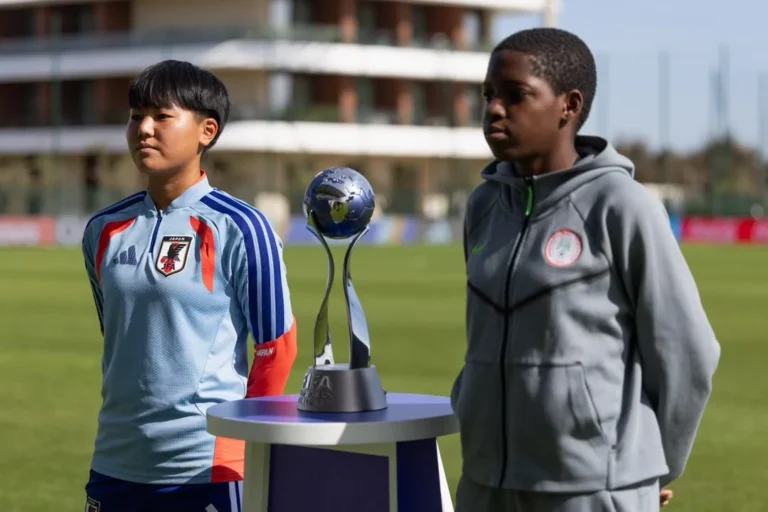
The stage is set for a historic showdown at the FIFA U-17 Women’s World Cup, as Nigeria’s Flamingos stand on the precipice of continental immortality. Having already carved their names into the annals of African football by becoming the first nation from the continent to reach the final of this prestigious tournament, the Nigerian squad now looks toward their final hurdle: a formidable Japanese side. For captain Harmony Chidi and her teammates, Saturday’s match in Morocco represents more than just a trophy; it is an opportunity to redefine the global perception of African women’s football.
A Journey of Resilience and Tactical Mastery
The path to the final has been anything but straightforward. The Flamingos opened their campaign with a disappointing 2-1 loss to Poland, a result that cast doubt on their prospects of advancing from Group B. However, the response under the guidance of coach Akeem Busari was immediate and emphatic. Rather than succumbing to the pressure of an early exit, the squad displayed a level of tactical maturity and mental fortitude rarely seen at the youth level.
Following the opening defeat, Nigeria embarked on a spectacular five-game winning streak. They systematically dismantled their opposition, securing victories against Puerto Rico, defending champions DPR Korea, Mexico, and Venezuela. The semi-final clash against Brazil was perhaps the most defining moment of their tournament, as the Nigerian side displayed a balanced mix of defensive discipline and lethal attacking transitions to secure their passage to the final. This recovery highlights a profound shift in the team’s internal culture, moving from individual brilliance to a cohesive, high-pressing unit that has confounded tactical setups across the tournament.
The Significance of the Final for African Football
For decades, African nations have struggled to make a significant impact in the knockout stages of FIFA-sanctioned women’s tournaments. While Nigeria has consistently been a dominant force on the continent, success on the world stage has remained elusive. The U-17 level serves as the ultimate nursery for future stars, and by reaching the final, the Flamingos have essentially bridged the competitive gap that previously existed between Africa and the traditional powerhouses of Europe and Asia.
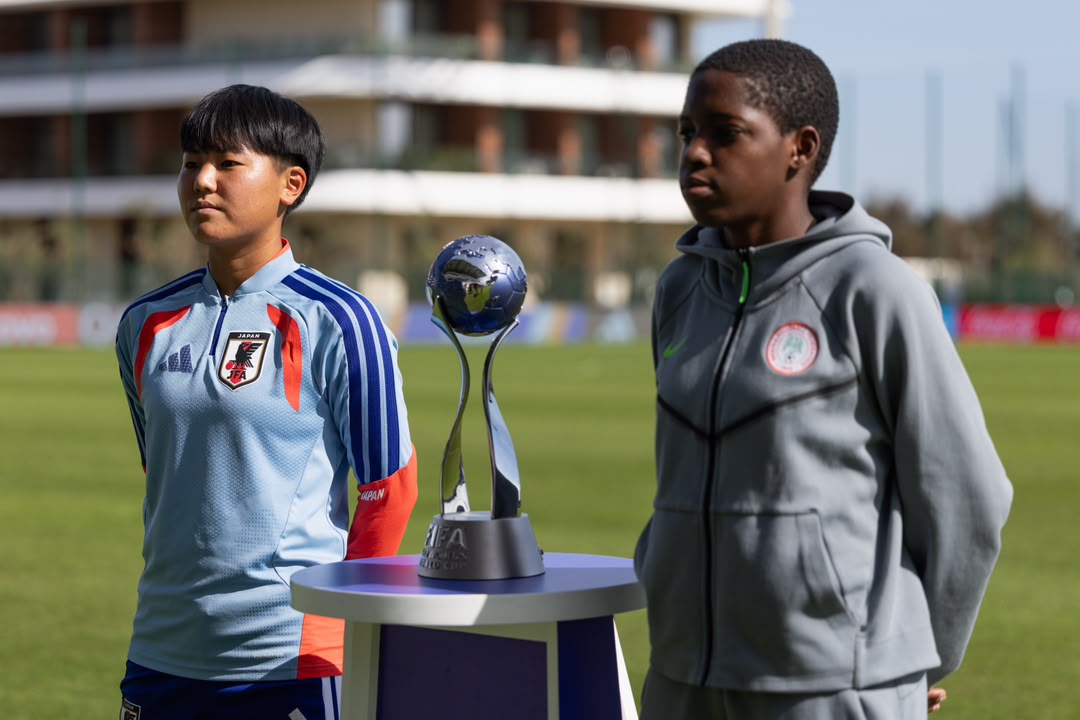
Harmony Chidi’s reflections on the upcoming match emphasize the weight of expectation. “I think it would be a great thing, a joy, and would never be forgotten in life,” Chidi told FIFA reporters ahead of the match. “Reaching the final is a very big thing, it’s a great thing, and it’s something that we have dreamed of. Winning would be something myself, my country, my teammates, our coaches, and everybody would be proud of.”
Tactical Analysis: The Clash of Philosophies
The final against Japan promises to be a tactical chess match. Japan, known for its intricate passing, disciplined positioning, and high-tempo movement, will provide the sternest test of the tournament for the Nigerian defense. The Japanese approach is rooted in technical fluidity, often prioritizing ball retention and space manipulation.
Conversely, the Flamingos have thrived on physicality, explosive speed, and direct vertical play. Coach Akeem Busari has utilized a formation that encourages the fullbacks to provide width, allowing the attacking trio to isolate defenders. The key to the match will likely reside in the midfield battle; if Nigeria can disrupt Japan’s rhythm with their high-pressing defensive line, they will likely force the turnovers necessary to exploit the gaps in Japan’s backline. Busari’s insistence on "staying focused" suggests he is aware that any lapse in concentration against a team as clinical as Japan could prove fatal to Nigeria’s championship aspirations.
Chronology of the 2025 Campaign
- Group Stage Match 1: Nigeria 1 – 2 Poland. A wake-up call that sparked a tactical overhaul.
- Group Stage Match 2: Nigeria 3 – 0 Puerto Rico. The restoration of confidence and offensive efficiency.
- Group Stage Match 3: Nigeria 2 – 1 DPR Korea. A pivotal victory over the defending champions, signaling that the Flamingos were contenders.
- Quarter-Finals: Nigeria 3 – 1 Mexico. A dominant display of speed and tactical superiority.
- Semi-Finals: Nigeria 2 – 0 Brazil. A controlled, professional performance that ensured a historic final berth.
- The Final: Nigeria vs. Japan. The quest for the first-ever African title.
Institutional Support and Future Implications
The rise of the Flamingos is not an isolated incident but rather the result of increased investment in youth development and scouting across Nigeria. By providing a pathway for young talent to compete against world-class opposition, the Nigeria Football Federation (NFF) has effectively expanded the pipeline of players capable of transitioning to the senior national team, the Super Falcons.
Should Nigeria emerge victorious on Saturday, the implications will extend well beyond the trophy ceremony. A win would trigger a massive surge in interest for grassroots women’s football across the continent. It would serve as a powerful validation for coaches, scouts, and stakeholders who have campaigned for greater infrastructure and funding for the women’s game. Furthermore, it would place Nigeria at the top of the global youth football hierarchy, potentially attracting international scouts and fostering a new generation of players who grow up with the belief that winning a global title is an attainable objective.

Official Perspectives and Team Morale
Coach Akeem Busari has been the steady hand throughout the tournament. Before the competition began, he publicly declared that his squad was traveling to Morocco with one goal: to return home as champions. This level of confidence has permeated the squad. Reports from the team camp suggest a calm, focused atmosphere, with the players aware of the historical significance of the match but undeterred by the pressure of the moment.
The Nigerian public has also rallied behind the team, with social media sentiment reflecting a country unified by the team’s success. This support, while an added layer of pressure, has served as a source of inspiration for the young squad. The captain, Harmony Chidi, remains the focal point of this collective ambition. Her leadership on and off the field has been instrumental in keeping the team grounded, ensuring that they do not get caught up in the history already made, but rather remain focused on the final 90 minutes of the competition.
The Road Ahead: Potential for a Legacy
As the final approaches, the narrative surrounding the Flamingos has shifted from "underdogs" to "favorites" in the minds of many analysts. Japan remains a formidable opponent, having won the tournament in 2014 and consistently reaching the latter stages of world championships. However, the momentum currently sits with the Nigerian side. Their ability to adapt to different styles of play—from the technical challenge of Brazil to the physical challenge of the group stages—suggests that they possess the versatility required to lift the trophy.
If successful, this squad will be remembered as the trailblazers who broke the glass ceiling for African football. The impact of such a win would be felt for years, serving as a blueprint for other African nations to emulate. It would underscore the reality that with the right preparation, tactical acumen, and belief, African teams can consistently compete and win at the highest level of world football.
As the whistle blows on Saturday, the eyes of the footballing world will be on Morocco. Whether the Flamingos return to Abuja with the gold or silver, they have already succeeded in their broader mission: to inspire a nation and prove that the future of football is indeed being written on the pitches of Africa. The journey has been long, the lessons hard-earned, and the potential for a crowning achievement is within reach. For Nigeria, the dream of being world champions is now a tangible reality, waiting to be claimed.