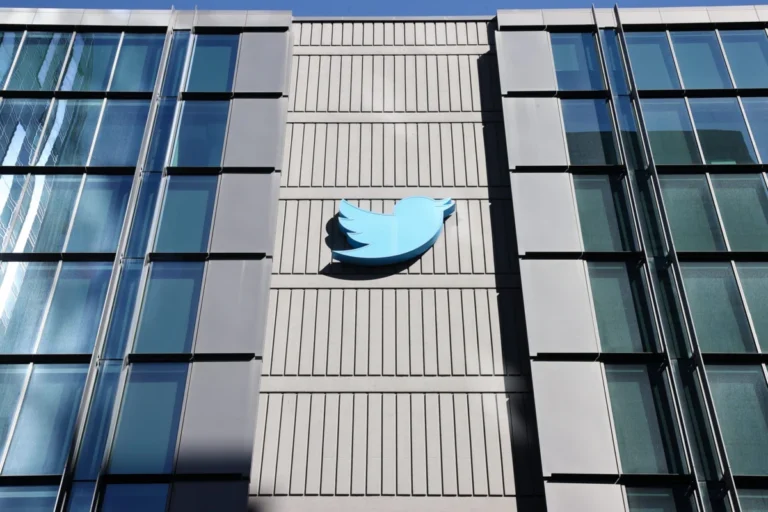
The technology sector on the African continent reached what many hoped was a historic turning point on April 12, 2021. Jack Dorsey, the co-founder and then-CEO of Twitter, took to his platform to make an announcement that immediately dominated global tech news cycles. Sharing a link to an official corporate blog post, Dorsey wrote a concise message that resonated across the globe: “Twitter is now present on the continent. Thank you Ghana and @NAkufoAddo. #TwitterGhana.” Accompanied by a custom hashmoji featuring the national colors of Ghana, the announcement marked a monumental shift in how Silicon Valley conglomerates approached emerging markets. While major tech companies had established various forms of commercial presence across Africa over the years, none had signaled an operational expansion quite like Twitter’s declared intent to build an entire regional headquarters on the continent.
The Strategic Rationale Behind the Ghana Expansion
According to Twitter’s official communications at the time, the decision to establish its African hub in Accra, Ghana, was rooted in the nation’s democratic credentials and its reputation as a steadfast supporter of free speech, online freedom, and an open internet—values that Twitter publicly championed. The corporate blog post elaborated on this strategic vision, stating that in order to truly serve the global public conversation, the company needed to become more deeply immersed in the vibrant communities driving everyday discourse across the African continent.
The announcement was met with immense enthusiasm by Ghanaian leadership. President Nana Addo Dankwa Akufo-Addo quickly responded via a threaded series of posts on the platform, describing the choice of Ghana as “EXCELLENT news” and noting that his government and the people of Ghana welcomed the confidence reposed in their country. He highlighted a prior virtual meeting held with Dorsey on April 7, 2021, framing the development as the foundation of a beautiful partnership critical for the growth of Ghana’s burgeoning technology sector.
Within weeks of the announcement, recruitment for roles at the newly minted African headquarters commenced. Because physical office spaces had not yet been secured, the initial cohort of local talent operated remotely, contributing regional insights to product safety, content moderation, and corporate partnerships. For the first time, African software engineers, product managers, and policy experts were able to directly influence global product decisions while providing localized understanding to platform governance. The move was widely celebrated as a potential catalyst that would encourage other multinational technology corporations to deepen their investments in West Africa’s talent pool.
Leadership Transitions and Corporate Turbulence
The foundational momentum of Twitter’s African operations, however, was soon subjected to sweeping changes at the executive level. On November 29, 2021, just seven months after announcing the company’s expansion into Africa, Jack Dorsey stunned the tech industry by revealing his resignation as CEO. Internal friction with the company’s board of directors—who reportedly felt that Dorsey’s dual role as CEO of both Twitter and financial technology firm Block divided his attention—had escalated behind the scenes.
In his resignation announcement, Dorsey designated Parag Agrawal, then Twitter’s Chief Technology Officer, as his successor. Agrawal stepped into the role with a reputation for a calm, measured leadership style. Yet, he faced immediate financial and operational pressures to accelerate revenue growth and increase user engagement.
By May 2022, Agrawal enacted aggressive structural adjustments, dismissing two high-ranking executives: Bruce Falck, the general manager of revenue, and Kayvon Beykpour, the head of consumer product. Simultaneously, the company instituted a hiring freeze. These internal adjustments coincided with an unprecedented external disruption: on April 14, 2022, regulatory filings revealed that billionaire industrialist Elon Musk had offered to acquire Twitter outright for approximately $44 billion.
The Musk Takeover and the Battle Over Bots
The path to Musk’s acquisition was fraught with legal conflict, public disputes, and executive friction. Musk had initially acquired a substantial stake in Twitter, briefly considered joining its board of directors, and ultimately made a surprise multi-billion-dollar buyout offer to take the company private. Tensions between Musk and Agrawal intensified as the Tesla and SpaceX chief executive repeatedly questioned the platform’s handling of spam accounts and automated bot traffic.
Court filings later revealed the combative nature of communications between the incoming owner and the sitting CEO. In one text exchange, Agrawal warned Musk that public criticisms regarding the platform’s viability were severely compounding internal distractions and hindering employee productivity. Musk dismissively responded by questioning Agrawal’s weekly accomplishments and ultimately declining the board seat, calling it a waste of time.
As negotiations deteriorated, Musk attempted to withdraw from the acquisition agreement in July 2022, citing a lack of transparency regarding fake accounts. In response, Twitter initiated legal action in the Delaware Court of Chancery to compel Musk to honor the $44 billion merger agreement. Facing an impending trial date in October, Musk reversed course and finalized the acquisition on October 27, 2022, immediately taking the company private and ousting Agrawal alongside several other top executives.
Mass Layoffs and the Destruction of the African Hub
The completion of the acquisition ushered in a period of intense restructuring. Musk announced plans to significantly reduce operational expenditures, pointing to daily financial losses exceeding $4 million as the primary justification. On November 4, 2022, approximately half of Twitter’s global workforce of 7,500 employees received termination notices. The layoffs were executed abruptly, with affected personnel finding themselves locked out of corporate email accounts and internal communication channels like Slack.
While Musk stated publicly that all departed employees were offered three months of severance pay—surpassing statutory requirements—the reality for the newly established African team proved vastly different. Just days prior to the mass layoffs, on November 1, 2021 [corrected in context to 2022], senior staff members in Accra had celebrated the official physical opening of Twitter’s African headquarters, gathering in an office space after more than a year of remote work.
That celebration was short-lived. By November 4, employees at the Accra hub received standardized termination notices dispatched via personal email addresses from Twitter’s Dublin office. Reports from international journalists and former executives confirmed that the promised severance packages and clear off-boarding protocols outlined by Musk did not materialize for the African staff, leaving them without standard compensation frameworks.
Global Backlash and Implications for Big Tech in Africa
The manner in which the African division was dismantled drew sharp condemnation from former high-ranking Twitter executives and digital rights advocates. Figures such as former Global Head of Social and Editorial Alphonzo Terrell and former Global VP of Partners and Marketing Lara Cohen publicly challenged Jack Dorsey on the platform, demanding accountability regarding the unfulfilled commitments made to the Ghanaian team. Critics argued that the rapid establishment and subsequent dissolution of the Accra office exposed a troubling pattern where emerging market expansions serve primarily as public relations exercises rather than long-term strategic commitments.
The broader implications of the Twitter acquisition extend far beyond the African continent. Under Musk’s leadership, the platform has faced continuous scrutiny from advertisers, regulatory bodies, and civil rights organizations regarding content moderation standards, account verification systems, and data security.
Ultimately, the trajectory of Twitter’s venture into Africa serves as a cautionary case study for multinational corporations. What began as a celebrated milestone for digital inclusivity and global talent integration concluded in abrupt administrative dismissals, raising enduring questions about corporate accountability, equitable treatment across international jurisdictions, and the true permanence of tech industry promises in the Global South.