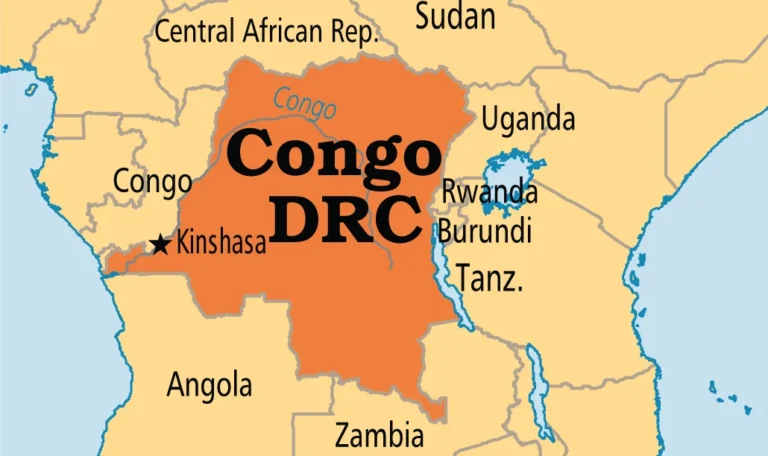
The Democratic Republic of the Congo (DRC) continues to grapple with a persistent and deadly outbreak of the Bundibugyo virus disease (BVD), characterized by sustained community transmission that has significantly increased both the caseload and the death toll in recent weeks. According to the latest situation report released by the World Health Organization (WHO) on Friday, the cumulative total of confirmed cases in the DRC has reached 2,124 as of July 15, 2026. Among these cases, 828 fatalities have been documented, highlighting a case fatality rate that underscores the severity of this particular strain of the Ebola virus within the Central African region. While the DRC remains in a state of high alert, neighboring Uganda has reached a critical milestone in its own containment efforts, having reported no new cases of the virus for several weeks and beginning the official process toward declaring the end of the outbreak within its borders.
The international dimension of the crisis was further highlighted this week by German health authorities, who confirmed that a humanitarian worker from the United States has been diagnosed with the Bundibugyo Ebola strain. The individual, who was providing aid in the DRC, was medically evacuated from the country on July 13 and is currently receiving specialized care in a high-containment medical facility in Germany. This patient represents the second U.S. citizen to be treated for the virus in Germany during this current cycle of transmission, a development that has prompted renewed discussions regarding the safety of frontline health workers and the efficacy of international medical evacuation protocols for high-consequence pathogens.
The Situation in the Democratic Republic of the Congo
The ongoing transmission in the DRC is a source of significant concern for the global health community. Unlike previous outbreaks that were often confined to remote forest regions, the current spread of the Bundibugyo virus has demonstrated a tenacity that suggests deep-seated community transmission. Health experts point to a variety of factors contributing to the sustained numbers, including the complex geographical terrain of the Congo Basin, which complicates the logistics of contact tracing and the delivery of medical supplies. Furthermore, the socio-political climate in affected provinces often creates barriers to effective public health intervention, as mobile populations and localized insecurity can lead to gaps in surveillance.

The WHO statement indicated that the 2,124 confirmed cases represent a substantial burden on the DRC’s healthcare infrastructure. Of the 828 deaths recorded, a significant portion occurred within community settings rather than treatment centers, a factor that traditionally increases the risk of secondary transmission during traditional burial practices. Efforts by the DRC Ministry of Health, supported by international partners, are currently focused on intensifying "ring vaccination" strategies where applicable, although the specific vaccine efficacy for the Bundibugyo strain remains a subject of ongoing clinical observation compared to the more common Zaire ebolavirus strain.
Progress and Vigilance in Uganda
In stark contrast to the escalating situation in the DRC, Uganda has demonstrated a successful containment trajectory. The WHO confirmed that no new cases of Bundibugyo virus disease have been recorded in Uganda since June 21, 2026. This period of relative calm reached a pivotal moment on July 16, when the country’s final confirmed patient was discharged from a specialized Ebola Treatment Unit (ETU) after returning two consecutive negative test results for the virus.
Following the discharge of this last patient, Uganda has officially entered the 42-day enhanced surveillance period. This timeframe is a standard international protocol, representing twice the maximum 21-day incubation period of the Ebola virus. Should no further cases be detected by the end of this countdown, the Ugandan government, in coordination with the WHO, will be able to declare the country free of the Bundibugyo Ebola outbreak. Despite this optimism, health authorities in Kampala have emphasized that the "42-day countdown" is a period of heightened vigilance rather than a cessation of activities. Surveillance teams remain active in border regions, particularly those adjacent to the DRC, to prevent any potential cross-border re-introduction of the virus.
Understanding the Bundibugyo Virus Strain
The Bundibugyo virus disease is caused by the Bundibugyo ebolavirus (BDBV), one of the six species within the genus Ebolavirus. It was first identified in 2007 during an outbreak in the Bundibugyo District of Western Uganda. Historically, the Bundibugyo strain has been associated with lower case fatality rates—ranging from 25% to 40%—compared to the Zaire strain, which can see mortality rates as high as 90%. However, the current statistics from the DRC, showing over 800 deaths among 2,100 cases, suggest that the impact of the virus remains devastating, particularly in areas with limited access to intensive supportive care.

The clinical presentation of BVD is similar to other viral hemorrhagic fevers, characterized by fever, malaise, muscle pain, headache, and sore throat, followed by vomiting, diarrhea, rash, and in some instances, internal and external bleeding. The primary challenge in managing Bundibugyo outbreaks lies in the early symptoms being indistinguishable from other endemic diseases such as malaria or typhoid fever, often leading to delays in isolation and the initiation of infection prevention and control (IPC) measures.
International Response and Medical Evacuations
The medical evacuation of the American humanitarian worker to Germany underscores the globalized nature of modern infectious disease management. Germany’s ability to treat such high-risk patients is facilitated by a network of specialized Treatment Centers for Highly Contagious Diseases (STAKOB). These facilities are equipped with redundant air filtration systems, specialized waste management protocols, and highly trained medical personnel capable of providing advanced supportive therapy while maintaining strict biocontainment.
The WHO has praised the cooperation between German, American, and Congolese authorities in facilitating the safe transfer of the patient. "The successful evacuation and treatment of humanitarian personnel are vital to ensuring that international aid remains viable in high-risk zones," a spokesperson for the WHO noted. This case also serves as a reminder of the risks faced by those on the front lines of the epidemic. International NGOs have called for increased support for healthcare worker safety, including better access to personal protective equipment (PPE) and standardized protocols for the management of accidental exposures in the field.
Chronology of the 2026 Outbreak
The current timeline of the 2026 Bundibugyo outbreak reflects a complex regional health crisis:

- Early 2026: Initial clusters of unexplained hemorrhagic fever are reported in the northeastern provinces of the DRC.
- March 2026: Laboratory confirmation identifies the Bundibugyo ebolavirus strain; the DRC Ministry of Health declares an official outbreak.
- May 2026: Cross-border transmission is confirmed in Uganda, leading to immediate emergency response measures in the districts of Bundibugyo and Kasese.
- June 21, 2026: The last confirmed case is reported in Uganda, marking the beginning of a stabilization period for the country.
- July 13, 2026: A U.S. humanitarian worker is evacuated from the DRC to Germany for treatment after testing positive for the virus.
- July 15, 2026: DRC cumulative cases surpass 2,100, with 828 deaths confirmed.
- July 16, 2026: Uganda discharges its final patient and begins the 42-day countdown to Ebola-free status.
Broader Implications and Regional Stability
The persistence of the virus in the DRC has broader implications for regional stability and economic health. Trade routes between the DRC, Uganda, and Rwanda are vital for the local economy, but the presence of Ebola necessitates stringent border screenings and, occasionally, the temporary closure of informal markets. These measures, while necessary for public health, can lead to food insecurity and economic hardship for border communities.
Furthermore, the 2026 outbreak has highlighted the ongoing need for research into vaccines and therapeutics specifically targeted at the Bundibugyo strain. While the Ervebo vaccine has been a revolutionary tool in combating the Zaire strain, its cross-protectivity for Bundibugyo is not fully established. The WHO and various global health research consortia are currently evaluating the feasibility of clinical trials for BDBV-specific candidates in the midst of the current response.
The response strategy continues to rely heavily on the "pillars" of Ebola control: robust surveillance, rapid laboratory confirmation, effective case management, rigorous infection prevention in healthcare settings, and community engagement. In the DRC, community engagement remains the most challenging yet crucial pillar. Overcoming "outbreak fatigue" and addressing misinformation regarding the origins of the virus and the nature of the medical response are essential steps toward breaking the chain of transmission.
As the international community watches the 42-day countdown in Uganda with cautious optimism, the focus remains sharply on the DRC. The WHO, in collaboration with the Africa Centres for Disease Control and Prevention (Africa CDC) and other partners, has reaffirmed its commitment to providing technical expertise and logistical support until the last transmission chain is extinguished. The situation serves as a stark reminder that in an interconnected world, a localized health crisis requires a unified, globalized response. The upcoming weeks will be decisive in determining whether the DRC can mirror Uganda’s success or if the Bundibugyo virus will continue its expansion through the heart of Africa.