As the critical nomination deadline approaches, an international coalition of scientific societies, environmental organizations, and civil rights advocates has intensified pressure on the Spanish government to officially sponsor Dr. María Neira as a candidate for the upcoming World Health Organization (WHO) Director-General election. With the submission window closing on Thursday, September 24, supporters argue that Neira’s extensive background in climate change and public health makes her an indispensable asset for the future of global health governance.
The eleventh-hour push is being driven by a diverse global network. Endorsements have flooded in from high-profile figures, including Nobel Peace Prize laureate Adolfo Pérez Esquivel and Dr. Carlos Ferreyra of Climate, Life and Health International. They are joined by the Argentine-based Citizens’ Roundtable and Planetary Civil Society, which issued a formal press release on Monday describing Neira not merely as a competent nominee for Spain, but as a "truly decisive planetary asset."
Despite initial indications from Madrid that Spanish authorities intended to sit out the current election cycle, diplomatic sources suggest that the government is actively deliberating a last-minute reversal. However, the decision is complicated by internal friction within the Spanish foreign policy apparatus, which has already committed resources and political capital to competing international leadership bids within the United Nations system—specifically targeting seats at the Food and Agriculture Organization (FAO) and the International Labour Organization (ILO).
When contacted by journalists, Dr. Neira declined to comment on the escalating campaign, while official inquiries directed to the Spanish government remained unanswered. Nevertheless, campaign organizers report receiving encouraging, albeit informal, signals from mid-level officials in Madrid, keeping hopes alive that a formal registration could materialize before the Thursday cutoff.

The Current Electoral Landscape
The race for the next WHO Director-General is already well underway, with four prominent candidates officially registered to succeed or challenge the incumbent leadership. The current field features:
- Hans Kluge of Belgium, the current WHO Regional Director for Europe.
- Hanan Balkhy of Saudi Arabia, who brings extensive experience in antimicrobial resistance and infection control.
- Hanan Al-Kuwari, Qatar’s Minister of Public Health.
- Budi Gunadi Sadikin, the Health Minister of Indonesia.
Adding Neira to this roster would fundamentally alter the geopolitical and thematic dynamics of the election. While other candidates boast strong administrative and domestic policy backgrounds, Neira’s candidacy would inject a specialized, frontline focus on environmental health into the highest levels of multilateral decision-making.
A Distinguished Career Rooted in Environment and Emergency Medicine
Dr. María Neira is widely recognized as a titan in international public health, having served as the WHO’s Director for Environment, Climate Change and Health for two decades, from 2005 to 2025. During her tenure in Geneva, she was the driving force behind several landmark global health initiatives. Most notably, she spearheaded the "One Health" framework—an integrated, unifying approach designed to balance and optimize the health of people, animals, and ecosystems. She also led global interventions for cholera control and played a pivotal role in shaping international responses to air pollution and extreme weather events.
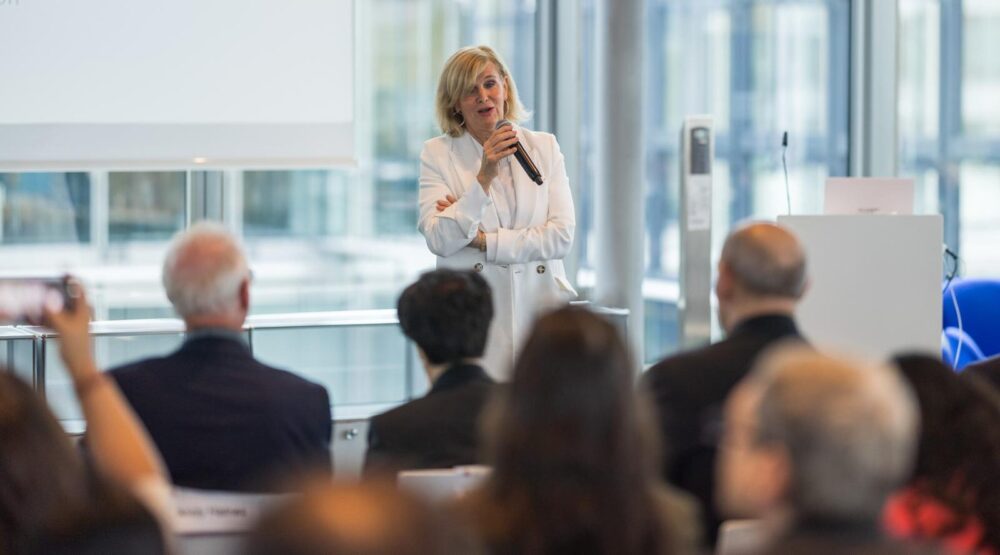
Before her long tenure at the WHO, Neira’s career spanned high-level domestic administration and hazardous field operations. In Spain, she served as the Vice Minister of Health and as the President of the national Food Safety Agency. Her foundational experiences, however, were forged in crisis zones; as an epidemiologist and physician, she began her career managing Médecins Sans Frontières (Doctors Without Borders) emergency operations in conflict-torn regions of Central America.
Most recently, Neira transitioned to the Clean Air Fund as an inaugural Senior Fellow, where she advises on atmospheric pollution and urban environmental health strategies. This deep expertise in the intersections of climate, energy, and human biology forms the bedrock of her supporters’ argument: that modern pandemics and health crises are increasingly driven by ecological degradation.
A "Scientifically Fearless" Vision for Global Health
Speculation regarding Neira’s candidacy intensified earlier this month when she published a manifesto outlining her vision for multilateral health leadership on LinkedIn. In the widely shared post, she argued that the modern WHO does not require a cautious administrator, but rather a "scientifically fearless" strategist capable of navigating complex geopolitical and ecological crises.
"The world does not need a personality to manage WHO," Neira wrote. "It needs a leader who can unleash its collective intelligence and lead global health."
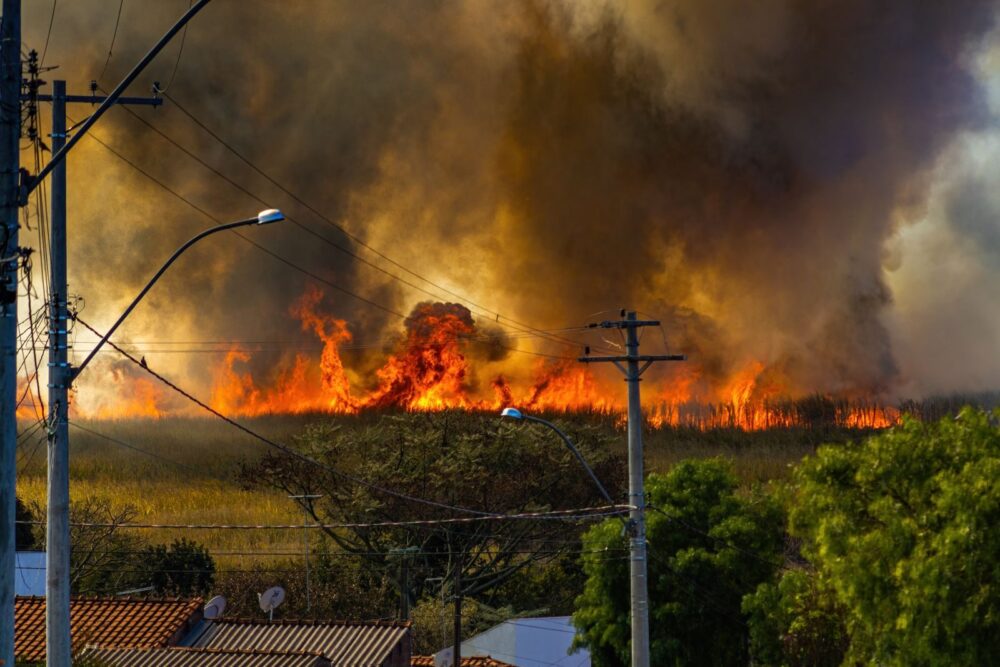
Her platform emphasizes primary prevention over reactive containment. By framing global health as a positive dividend of sustainable development, she advocates for deeper integration between health ministries and sectors traditionally viewed as separate, such as energy, urban planning, and digital technology. Proponents argue that this holistic perspective is precisely what is missing in contemporary health diplomacy, particularly as extreme heatwaves, zoonotic spillover events, and vector-borne diseases escalate due to climate change.
Implications for Spain and Multilateral Governance
For Spain, sponsoring Neira represents both an opportunity and a diplomatic challenge. On one hand, a successful bid would elevate a Spanish national to the pinnacle of global health leadership, extending the country’s legacy of public health advocacy—anchored by its 1986 universal health system reforms—onto the world stage. An international coalition anchored in Latin America, spanning the Global South, indigenous groups, and Small Island Developing States, has rallied around her precisely because her platform transcends traditional Western-centric health paradigms.
On the other hand, Madrid must weigh the political costs of mounting a late-stage campaign against established rivals. Diplomatic bandwidth is already stretched thin due to Spain’s existing bids for the FAO and ILO. Furthermore, entering the race just days before the deadline requires swift administrative coordination and high-level political backing.
As the clock ticks down toward Thursday’s deadline, the international health community remains in suspense. Whether the Spanish government decides to formally endorse Dr. María Neira will determine whether environmental health and climate resilience take center stage in the upcoming contest to lead the world’s premier health organization. Regardless of the outcome, the grassroots movement surrounding her potential candidacy has already underscored a growing consensus among scientists and civil society: that the future of human health is inextricably bound to the health of the planet.