The landscape of cultural journalism is currently undergoing a radical transformation as the boundaries between independent critique and corporate partnerships blur in pursuit of sustainable storytelling. In a move that signals a significant shift in how luxury brands engage with the creators of cultural discourse, renowned journalist and critic Ivie Ani has been appointed as a Cultural Ambassador for the historic cognac house, Martell. This partnership, formalized in September 2026, places one of the most astute observers of the Afrobeats and Hip-Hop scenes at the center of a corporate initiative aimed at documenting the architects of modern African soundscapes.
The Evolution of Cultural Stewardship
For over a decade, Ivie Ani has occupied a critical vantage point in the media industry. A graduate of New York University with a background in journalism and Africana Studies, Ani has built a career defined by her ability to parse the intersection of music, history, and social dynamics. Her work, which spans the rapid evolution of 2010s American Hip-Hop to the meteoric global ascent of West African pop, has often focused on the importance of "contextual work"—the process of ensuring that as music travels across borders, its original specificity and cultural lineage remain intact.
The appointment comes at a time when the infrastructure for independent journalism is facing unprecedented pressure. With traditional media outlets narrowing their scope and institutional backing for deep-dive criticism dwindling, the role of the critic is increasingly at risk of being replaced by ephemeral, algorithm-driven content. By aligning with Martell, Ani aims to secure the structural support necessary to continue the rigorous, nuanced documentation of artists and industry pioneers who have historically lacked institutional archives.
A Chronology of Influence
Ani’s career trajectory offers a roadmap of the shifting interests in global music consumption. Her early years were marked by a focus on Hip-Hop, R&B, and the broader American cultural zeitgeist. However, as the 2010s progressed, her focus shifted toward the burgeoning West African music scene.
- 2014: Ani earns her journalism degree from NYU, establishing a foundation in social-cultural analysis that would later define her critique style.
- 2015–2019: A period of intense observation where Ani documented the early ripple effects of Afrobeats moving from regional dominance to international charts.
- 2020–2024: The era of global mainstreaming, during which Ani became a prominent voice in explaining the complexities of genres like Amapiano and the business mechanisms behind the global success of artists like Tems and Burna Boy.
- September 2026: Official announcement of her role as Martell Cultural Ambassador, signaling a new chapter in the professionalization of cultural advocacy.
The State of Afrobeats and Global Consumption
The global market for African music has seen exponential growth. According to industry data, streaming platforms saw a massive increase in sub-Saharan African music consumption between 2020 and 2025, with Afrobeats consistently outperforming regional growth projections. Yet, this growth has come with a cost. Ani notes that the "urgency" to declare the genre a global success has often led to a flattening of its identity.
"There is a sense of urgency in marking Afrobeats as having hit its peak," Ani explains. "But people should pay attention to how the genre is merging with other sounds and how artists are branching out to solidify their business acumen." Her analysis suggests that the industry’s obsession with chart-topping hits often obscures the more fascinating, granular developments in sound design and artistic experimentation—such as Rema’s HEIS project, which Ani cites as a landmark in experimental Afrobeats.
Bridging the Gap: Accuracy vs. Validation
One of the most persistent issues in the international coverage of African music is the lack of precision. Western media outlets have frequently struggled to differentiate between regional subgenres, leading to a homogenizing effect where nuanced sounds are lumped under broad, sometimes inaccurate, umbrellas.
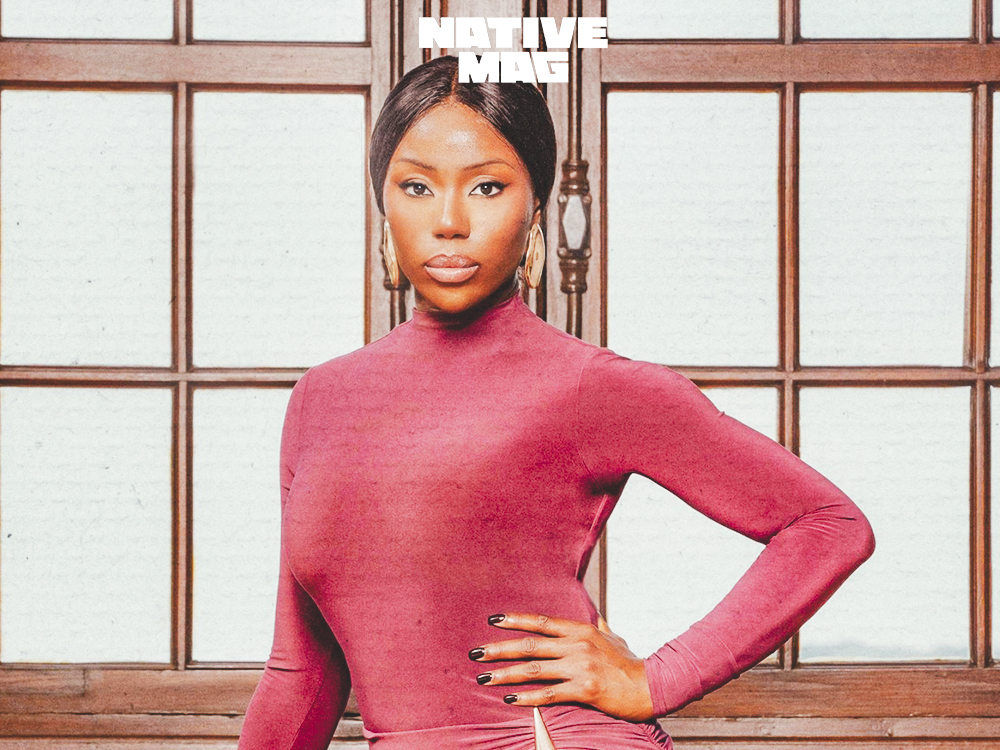
Ani argues that the pursuit of Western validation has, in some cases, encouraged artists and labels to accept imprecise coverage. "The desire for global and western validation comes at the expense of accuracy," she notes. Her goal as an ambassador is to act as a bridge—or a filter—that ensures the stories of these artists are told with the technical and historical accuracy they deserve. This is not merely an editorial preference; it is a matter of archival integrity. If the history of this musical movement is written incorrectly by the first wave of mainstream observers, the error becomes the accepted reality for future generations.
Structural Support for the Cultural Critic
The partnership between Ani and Martell represents a broader trend of "brand-as-patron," where prestige houses provide the financial runway for journalists to operate independently of the volatility of ad-supported media models. For critics, this model provides the time and resources to produce long-form, investigative, and historical content—work that is often too time-consuming for the fast-paced, news-cycle-driven world of modern digital media.
In practice, this means supporting the "architects" of culture. Ani views her role not as a spokesperson for a product, but as a facilitator of history. By focusing on the "pillars of culture"—food, language, music, and fashion—she intends to broaden the scope of what is considered "important" to document. This aligns with Martell’s history of patronizing the arts, though it marks a modern pivot toward the digital-native and music-driven cultural economy of the 21st century.
Implications for the Future of Media
The industry reaction to this collaboration has been largely positive, reflecting a growing recognition that cultural journalists are essentially the historians of the present. By validating the importance of the critic through such a partnership, the initiative sets a precedent for other corporations to invest in intellectual capital rather than just marketing reach.
However, the arrangement also raises questions about the future of critical distance. Can a critic maintain their objective edge while under the umbrella of a corporate partnership? Ani is candid about this: "It is the investment in ideas and continuing to do the work I already do, as opposed to trying to attach what is not aligned with my work." The success of this model will depend on the ability of the ambassador to remain tethered to the community she serves rather than the entity that funds the platform.
As the industry moves toward 2027, the focus for cultural observers will likely shift toward sustainability. The question is no longer just "who is the next big artist?" but "how do we preserve the integrity of the scene?" Through her new platform, Ivie Ani aims to ensure that the answer involves a deep, respectful, and highly researched approach to the culture that has redefined the global soundscape.
Conclusion
The appointment of Ivie Ani as a Martell Cultural Ambassador is a clear signal that the era of "disposable" cultural journalism is being challenged by a desire for depth and legacy. By centering the conversation on the "moral code" of the community and the granular details of artistic development, Ani is positioning herself not just as a commentator, but as a guardian of the canon. As African sounds continue to evolve, the documentation of this journey—with all its complexities, successes, and necessary growing pains—will be more critical than ever. Whether this partnership can successfully navigate the fine line between corporate support and editorial independence remains to be seen, but the intent is clear: to ensure that the culture is not just consumed, but understood.