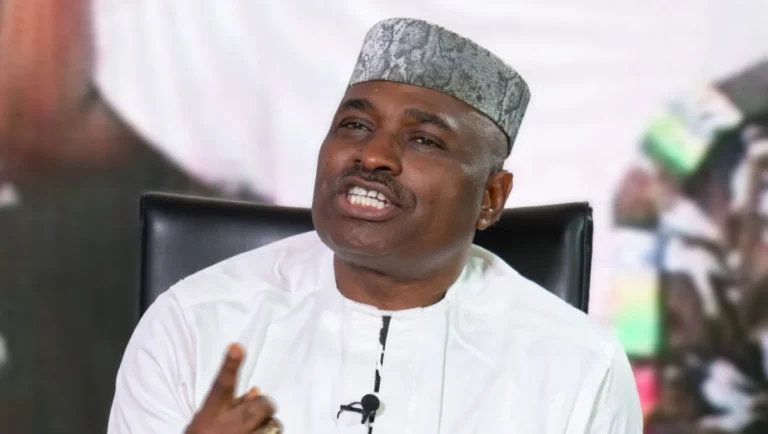
November 6 marks a significant milestone in the Nigerian entertainment landscape as veteran actor and public figure Kenneth Okonkwo celebrates his 58th birthday. For over three decades, Okonkwo has occupied a central position in the narrative of Nollywood, evolving from a pioneer of the home-video era to a multifaceted personality involved in the realms of law and national politics. His journey serves as a microcosm of the Nigerian film industry’s trajectory—a sector that has grown from a fledgling local enterprise into a globally recognized cultural export.
The Genesis of an Industry Pioneer
Born on November 6, 1968, Kenneth Okonkwo entered the professional sphere during a pivotal moment in Nigeria’s socio-cultural history. His ascent to fame is inextricably linked to the 1992 release of Living in Bondage, a film produced by Kenneth Nnebue. This production is widely cited by film historians and sociologists as the catalyst for the modern Nollywood movement.
In the film, Okonkwo portrayed Andy Okeke, a protagonist whose moral disintegration and subsequent supernatural entanglement captured the imagination of a nation. The success of Living in Bondage proved that there was a massive, untapped market for indigenous stories told by Nigerians, for Nigerians. By embodying the complexities of the character, Okonkwo became the first true superstar of the home-video revolution, setting a benchmark for performance that would influence generations of actors who followed in his wake.
Chronology of a Storied Career
Okonkwo’s professional evolution can be divided into several distinct phases that mirror the growth of the Nigerian film industry:
- 1992: The Breakthrough: The release of Living in Bondage launched Okonkwo into national consciousness. This period defined the "Golden Age" of the VHS market, where independent producers began creating content that resonated with the daily realities of the Nigerian populace.
- 1995–2005: The Consolidation: During this decade, Okonkwo solidified his status as a leading man. He appeared in numerous high-profile productions, demonstrating a penchant for drama, domestic thrillers, and socio-political commentary. This era saw the professionalization of film distribution networks across West Africa.
- 2006–2015: The Transition to Cinema: As the industry shifted from home-video formats to theatrical releases and global streaming integration, Okonkwo adapted his craft. He transitioned into more mature, character-driven roles, moving away from the archetypal "Andy Okeke" persona toward a more nuanced acting style.
- 2016–Present: The Public Service Pivot: In recent years, Okonkwo has increasingly focused his energy on the legal profession and active political participation. His public engagements have moved from the screen to the policy arena, where he has become a vocal commentator on issues of national governance, constitutional law, and institutional reform.
Industry Impact and Supporting Data
The significance of Kenneth Okonkwo’s career must be viewed through the lens of the economic impact of Nollywood. According to data from the Nigerian Bureau of Statistics and international trade reports, the creative sector contributes approximately 1.4% to Nigeria’s GDP. Okonkwo’s early success helped build the infrastructure that allowed this growth to happen.
His influence is not merely anecdotal. In the mid-1990s, the film industry in Nigeria was estimated to produce fewer than 50 movies annually. By the mid-2000s, that figure had ballooned into the thousands. Okonkwo’s presence in those formative projects helped legitimize acting as a viable, professional career path in a country where arts and entertainment were often dismissed as secondary to more traditional corporate or civil service roles.
Furthermore, his consistency in the industry has served as a bridge between the "pioneer" generation and the "New Nollywood" era, characterized by higher production values and global distribution through platforms like Netflix, Prime Video, and Showmax.
Perspectives from Colleagues and Industry Observers
On the occasion of his 58th birthday, members of the Actors Guild of Nigeria (AGN) and fellow stakeholders have reflected on his contributions. Emeka Rollas, the current President of the AGN, has previously noted that veterans like Okonkwo are the "living libraries" of the industry.
Industry analysts observe that Okonkwo’s ability to remain relevant for 32 years is a rarity in a highly competitive and often fickle entertainment market. "The longevity Kenneth has achieved is a product of professional discipline," notes Dr. Tunde Adeyemi, a media scholar focusing on African cinema. "He was one of the first actors to understand that the screen persona is a brand that requires management, legal literacy, and intellectual growth. By transitioning into law and politics, he expanded the definition of what a Nollywood celebrity can achieve."
Analysis: The Intersection of Art and Politics
Okonkwo’s shift toward politics provides a compelling case study of the celebrity-to-statesman pipeline in Nigeria. Unlike many in his field who engage in politics primarily for brand promotion or social influence, Okonkwo has leveraged his background in law to provide a technical critique of political processes.
His political activities have brought a level of visibility to policy debates that might otherwise be ignored by the broader public. By integrating his public profile with legal advocacy, he has challenged the traditional perception of actors as mere entertainers, positioning them instead as active stakeholders in the national democratic process. This shift, while controversial in some political circles, highlights a growing trend among Nigeria’s intellectual elite to participate in governance, driven by a desire for structural systemic change.
Broader Implications and Future Trajectory
As Kenneth Okonkwo turns 58, the conversation surrounding his legacy is twofold: his contribution to the establishment of a multi-billion dollar film industry and his current role as a political voice.
The industry he helped build is now at a crossroads. As it moves toward global competitiveness, the experiences of pioneers like Okonkwo provide a vital historical context for understanding the challenges of copyright, distribution, and talent development that the current generation of filmmakers must address.
His ongoing engagement with the public indicates that his influence will likely continue to evolve. Whether he returns to the screen for a major retrospective project or continues to focus on legal and political discourse, his place in the annals of Nigerian history is secure.
Reflecting on a Milestone
The birthday celebrations occurring today represent more than just a personal milestone for an actor; they are an acknowledgement of a foundational era in Nigerian popular culture. For the millions of fans who grew up watching his performances, Okonkwo remains a symbol of an industry that defied the odds to become a global phenomenon.
As he celebrates 58 years, the objective evidence of his career remains clear: he has been a consistent, influential force who helped move the narrative of Nigeria into the homes of viewers worldwide. In the complex tapestry of Nollywood, Kenneth Okonkwo’s thread is firmly woven into the fabric of its success, marking a career that has been defined by both artistic evolution and a steadfast commitment to the public sphere.
As the industry continues to expand, the template for professional conduct and career diversification that Okonkwo established will likely remain a point of reference for aspiring actors and public figures alike. His transition from the set of Living in Bondage to the halls of legal and political advocacy serves as a testament to the versatility of the Nigerian professional and the enduring power of the country’s creative industries.