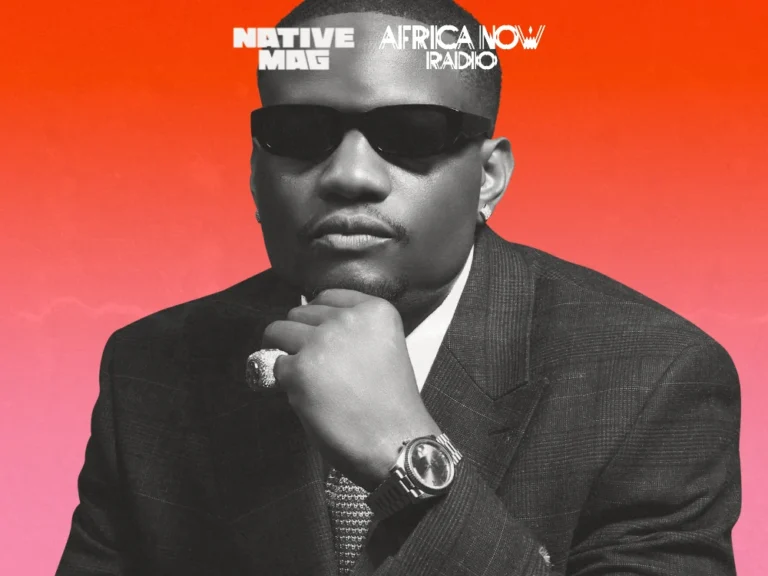
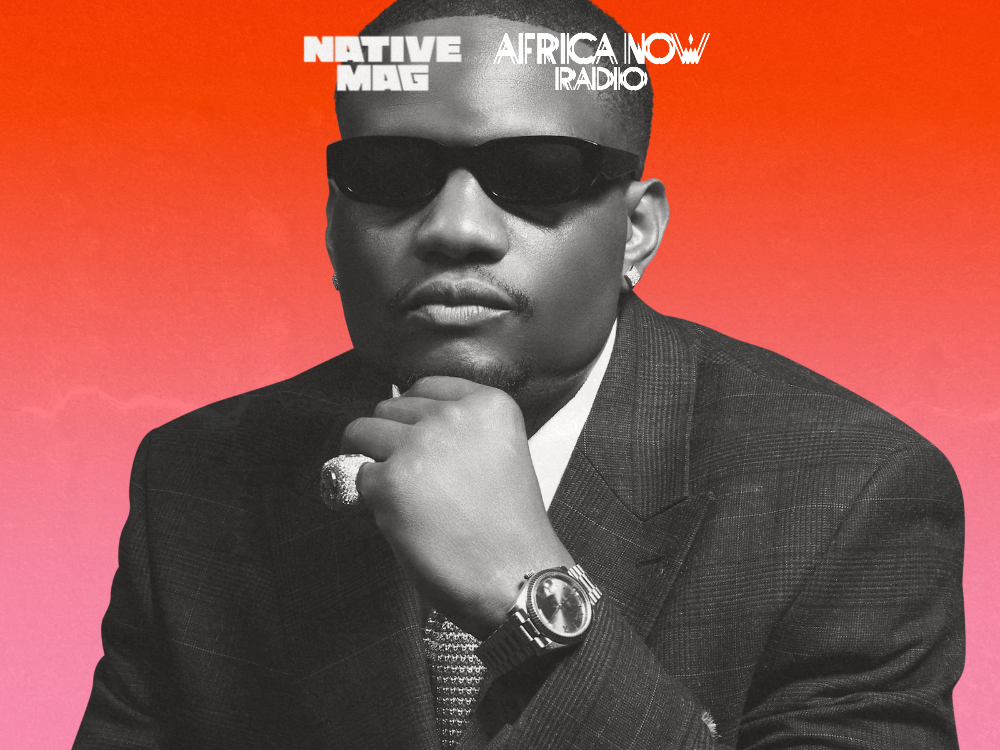
The release of In Tunez We Trust Vol. 1 serves as a definitive milestone in the career of Michael Babatunde Adeyinka, professionally known as DJ Tunez. As a bridge between the vibrant, high-energy nightlife of Lagos and the diverse, polyglot soundscapes of New York City, the DJ has long operated as a pivotal architect in the international expansion of African music. With this latest project, he moves away from the purely percussive, dance-floor-oriented anthems that defined his earlier career, opting instead for a textured, introspective exploration of the Afropop genre.
A Career Defined by Purpose and Diaspora Roots
DJ Tunez’s trajectory is inextricably linked to the rapid ascent of Afrobeats on the global stage. Born in New York to Nigerian parents, his formative years were spent navigating the intersection of West African cultural traditions and the sprawling, multicultural urban environment of the United States. This dual heritage provided him with a unique vantage point: he understood the rhythmic pulse of Nigeria while grasping the sonic requirements of international pop audiences.
His career began to gain significant momentum during the mid-2010s, a period that saw Afrobeats transition from a niche regional sound to a dominant force in global pop music. Through his early efforts in New York’s nightlife scene, Tunez recognized the commercial and cultural viability of the genre long before it achieved mainstream chart success in the West. He describes this period not merely as a career path, but as a calling—a mission to export Nigerian culture to a wider demographic.
Chronology of Influence: From Local Club Circuit to International Icon
The timeline of DJ Tunez’s rise aligns closely with the institutionalization of the Afrobeats sound. His early work established him as a premier curator, capable of distilling the complex, polyrhythmic nature of Nigerian music into accessible, club-ready formats.
- 2015-2017: The foundational years. During this period, Tunez established himself within the New York Afrobeats circuit. He became a vital link for African artists looking to gain traction in the U.S. market.
- 2017-2018: The Starboy pivot. A significant turning point occurred when he began his professional association with Wizkid and the Starboy Entertainment imprint. This partnership allowed him to step onto the global stage, serving as the official tour DJ for one of the genre’s biggest stars.
- 2019-2021: Establishing the "Afropop Gem." Hits such as "Iskaba" and "Apala Disco" cemented his status as a tastemaker. These tracks demonstrated a unique ability to bridge the gap between traditional percussion and modern pop sensibilities.
- 2023-2026: The introspective shift. With the release of In Tunez We Trust Vol. 1, the DJ has signaled a departure from the "hit-chasing" cycle, focusing instead on long-form projects that emphasize musical cohesion and thematic depth.
Analysis of the New Project: A Shift in Sound
In Tunez We Trust Vol. 1 reflects the "post-Made In Lagos" landscape—a period characterized by the global acceptance of more nuanced, mid-tempo, and R&B-infused Afrobeats. The project serves as an auditory thesis on how the genre can retain its rhythmic integrity while expanding its aesthetic boundaries.
Tracks like "STINGY" and "Simple Things" lean heavily into melodic, dreamy production, moving away from the aggressive, high-BPM arrangements that once dominated the genre. Conversely, the inclusion of "Na Money," featuring Shoday, showcases his ability to maintain a connection to the gritty, authentic Afrobeat sounds rooted in Lagos street culture.
Industry analysts note that this shift is reflective of a broader trend within the Afrobeats ecosystem. As the genre matures, artists and producers are increasingly willing to experiment with textures, instrumentation, and slower, more deliberate pacing. By placing these diverse sounds side-by-side, DJ Tunez is actively curating a vision of the future where Afropop is defined by its versatility rather than a single, static tempo.
The Institutionalization of Afrobeats
The collaboration with Wizkid remains a cornerstone of the DJ’s career, as it provided the platform necessary to introduce Nigerian musical nuances to a global audience. Reflecting on the creative process behind tracks like "EASY WITH ME," Tunez emphasizes the importance of the producer-artist relationship. The involvement of producer Ozedikus—who contributed the string and drum arrangements—highlights the collaborative nature of the genre’s current iteration.
"Wiz was the idea behind all of this," Tunez explains. By allowing the artist’s creative process to dictate the structure of the song—such as keeping an extended, emotive verse intact—Tunez demonstrates a producer’s instinct that prioritizes narrative and atmosphere over traditional radio-friendly constraints. This approach has proven successful, as evidenced by the organic growth of tracks like "One Condition," which saw massive engagement on social media platforms like TikTok, effectively validating the shift toward smoother, more "vibe-centric" production.
Future Aspirations: The Stadium Ambition
The ultimate goal for DJ Tunez now extends beyond the digital streaming landscape into the realm of live, large-scale event production. He has set his sights on iconic venues that have historically defined the careers of global pop icons.
"I would love to perform at the O2 Arena in London as a DJ Tunez and Friends show," he stated, outlining a vision for a collaborative showcase that highlights the breadth of the talent he has worked with over the years. Furthermore, he has expressed a long-term goal of headlining Madison Square Garden in New York. For an artist born and raised in the city, such a performance would represent the culmination of his journey—a symbolic homecoming that bridges the gap between his Nigerian heritage and his New York upbringing.
Broader Impact and Implications
The influence of In Tunez We Trust Vol. 1 extends beyond the immediate chart performance of its individual tracks. It signifies the transition of the Afrobeats DJ from a secondary figure—someone who simply plays the music—to a primary creator and curator who shapes the sonic identity of the genre.
By positioning himself as an curator of moods rather than just a provider of club beats, DJ Tunez is contributing to the sustainability of Afrobeats. As the global music market becomes increasingly saturated, the ability to create cohesive, album-length experiences becomes essential for long-term artistic survival.
Furthermore, his insistence on the diversity of the sound—blending Caribbean influences, R&B, and traditional African rhythms—suggests that the next phase of the genre’s global expansion will be defined by fusion. This inter-genre dialogue is critical for maintaining the relevance of African music in a global context, ensuring that it remains dynamic, evolving, and reflective of the diverse diaspora communities that continue to champion it.
As DJ Tunez continues to navigate this new chapter, his work serves as a testament to the fact that Afrobeats is no longer a "foreign" sound in the West, but a foundational component of modern global pop culture. With his eyes fixed on the O2 and Madison Square Garden, it is clear that for the man who helped bring the genre to the world, the work of spreading his culture is only just beginning.