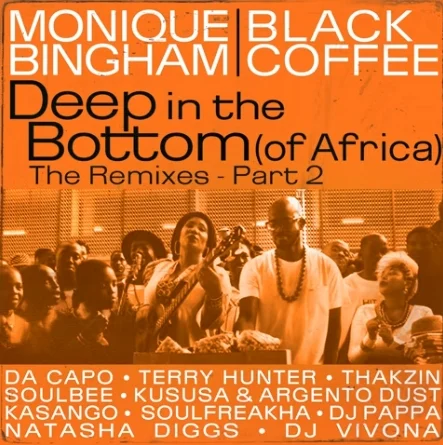
The music world is abuzz with the release of “Deep In The Bottom (of Africa) (Da Capo Touch Edit),” a compelling collaboration between acclaimed vocal powerhouse Monique Bingham and the internationally renowned DJ and producer Black Coffee, with a masterful remix by Da Capo. This track transcends typical genre boundaries, weaving a rich tapestry of soulful Afro-house that resonates with profound emotional depth and celebrates the vibrant spirit of the African continent. The single, released on [Insert Date of Release if known, otherwise state "recently"], has already garnered significant attention for its sophisticated production, evocative vocals, and its ability to transport listeners through a sonic landscape that is both deeply personal and universally appealing.
The core of “Deep In The Bottom (of Africa) (Da Capo Touch Edit)” lies in its exquisite fusion of elements. Bingham’s signature vocal delivery, characterized by its raw emotion and nuanced storytelling, forms the emotional anchor of the track. Her performance is not merely singing; it is an immersive experience, drawing the listener into a narrative that speaks of connection, identity, and perhaps, a journey of self-discovery rooted in the African soil. This is complemented by Black Coffee’s unparalleled ability to craft soundscapes that are both expansive and intimately detailed. His production prowess is evident in the track’s foundation: a driving yet nuanced rhythm section, characterized by deep, resonant basslines and intricate, organic percussion that evokes the pulse of traditional African drumming. These rhythmic elements are masterfully interwoven with warm, melodic piano chords and ethereal synth textures, creating an atmospheric backdrop that is both captivating and introspective.
Da Capo’s contribution as the remixer is crucial to the track’s overall impact. His “Touch Edit” injects a refined melodic sensibility and a heightened sense of atmospheric progression, elevating the original’s emotional core while meticulously preserving its inherent deep house essence. This careful balance ensures that the track remains true to its soulful roots while offering a fresh, dynamic perspective. Da Capo’s touch is particularly noticeable in how he artfully layers and manipulates sonic elements, building tension and release with a masterful hand, resulting in a hypnotic and immersive sound experience that is a hallmark of his remixing talent.
This collaboration is more than just a musical release; it represents a significant moment in the continued global recognition of African electronic music. Black Coffee, a Grammy Award-winning artist, has consistently championed the Afro-house genre on the world stage, introducing its unique sounds and rhythms to a vast international audience. Monique Bingham, a celebrated vocalist and songwriter, has long been a vital force in soulful and deep house music, known for her lyrical depth and captivating performances. Their synergy on this track, amplified by Da Capo’s remix, underscores the collaborative spirit and the rich creative talent emerging from the continent.
Background and Context of the Collaboration
The genesis of “Deep In The Bottom (of Africa) (Da Capo Touch Edit)” can be traced to the ongoing creative dialogues and artistic networks that define the contemporary African music scene. While specific details regarding the initial recording sessions are not publicly detailed, it is highly probable that the track emerged from a shared artistic vision between Bingham and Black Coffee, two artists who have consistently pushed the boundaries of their respective genres. Black Coffee’s label, Soulistic Music, has historically been a fertile ground for innovative Afro-house productions, and it is within this ecosystem that such collaborations often blossom.
Monique Bingham, known for her extensive discography and her ability to imbue her music with a profound sense of personal narrative, has a long-standing connection with the South African music landscape, where Black Coffee and Da Capo are prominent figures. Her previous collaborations and releases have often explored themes of spirituality, identity, and human connection, making her a natural fit for a track that seeks to celebrate African heritage. Black Coffee’s global reach and his commitment to showcasing African talent further solidify the significance of this partnership. He has a proven track record of elevating artists and sounds, and his involvement in “Deep In The Bottom (of Africa)” is a testament to the track’s inherent quality and its potential for widespread appeal.
Da Capo, a respected producer and DJ in his own right, brings his distinctive sonic signature to the remix. His work is often characterized by its melodic intricacies, deep grooves, and an ability to create emotionally resonant electronic music. His interpretation of the track likely amplifies its existing strengths, adding layers of sophistication and a contemporary edge that appeals to a broad spectrum of electronic music enthusiasts. The choice of Da Capo for the remix is strategic, aligning the track with artists who share a similar artistic ethos and a commitment to pushing the Afro-house sound forward.
Chronology of Related Artistic Ventures
While this specific track marks a significant collaboration, it’s important to place it within the broader artistic trajectories of the involved artists.
- Monique Bingham’s Career Arc: Bingham has been a consistent presence in the house music scene for over a decade, releasing critically acclaimed albums and singles that have earned her a dedicated following. Her discography includes works like “Blooms” and “The Journey,” which showcase her evolving artistry and her consistent exploration of soulful themes. Her presence in South Africa, a hub for Afro-house, has likely fostered many of these significant collaborations.
- Black Coffee’s Global Ascendancy: Black Coffee’s career has been a remarkable ascent, marked by his 2015 debut album "Pieces of Me" and his subsequent global tours and high-profile collaborations. His Grammy win for Best Dance/Electronic Album in 2022 for "Subconsciously" solidified his position as a global music icon. His work has consistently championed African artists and sounds, making him an ambassador for the continent’s musical talent.
- Da Capo’s Remixing Prowess: Da Capo has built a reputation for his exceptional remix work, often taking existing tracks and re-imagining them with his signature deep and soulful touch. His remixes have been featured on numerous compilations and have been supported by DJs worldwide, demonstrating his keen ear for melody and rhythm within the Afro-house and deep house genres.
The release of “Deep In The Bottom (of Africa) (Da Capo Touch Edit)” can be seen as a culmination of these individual journeys, converging to create a unified artistic statement. It also follows closely on the heels of other notable collaborations involving these artists. For instance, Monique Bingham recently featured on "Man2Man" alongside Busiswa and BERNT, featuring Charisse C and "Let Me You," showcasing her continued engagement with the vibrant South African music scene. This consistent output highlights the artists’ active creative processes and their commitment to producing fresh, impactful music.
The Sonic Architecture of the Track
The production of “Deep In The Bottom (of Africa) (Da Capo Touch Edit)” is a testament to meticulous craftsmanship. The track’s foundation is built upon the bedrock of deep basslines, providing a palpable sense of weight and groove that anchors the listener. These are not mere percussive elements but foundational sonic pillars that create an immersive, almost physical experience. Layered upon this are organic percussion samples, which lend a raw, earthy texture. These rhythms often draw inspiration from traditional African drumming patterns, subtly infusing the electronic soundscape with ancestral echoes. This creates a dynamic interplay between the modern and the traditional, a hallmark of successful Afro-house.
The melodic landscape is painted with warm, inviting piano chords. These chords are not ostentatious but provide a comforting, harmonic bed upon which other elements can flourish. They evoke a sense of introspection and emotional depth, drawing the listener further into the narrative presented by Bingham’s vocals. Complementing the pianos are atmospheric synth textures. These are employed judiciously, creating washes of sound that add depth, space, and a touch of ethereal mystique. They are not the driving force but rather the atmospheric mist that envelops the listener, enhancing the overall mood and creating a sense of vastness.
Monique Bingham’s vocal performance is, without question, the emotional epicenter. Her voice is rich with feeling, conveying a spectrum of emotions that resonate deeply. She employs subtle inflections, nuanced phrasing, and a palpable sincerity that makes her lyrics come alive. Her storytelling ability is paramount, guiding the listener through the track’s thematic journey. This soulful delivery is seamlessly integrated with Black Coffee’s production, which provides a sophisticated, groove-laden foundation. His signature style, characterized by its understated power and its ability to create a palpable sense of atmosphere, ensures that the track possesses both an undeniable dancefloor appeal and a profound listening experience.
Da Capo’s remix enhances these elements through his refined melodic approach. He likely introduces subtle harmonic variations, expands on the atmospheric textures, and perhaps introduces new rhythmic nuances that add a fresh dimension to the original composition. His "Touch Edit" suggests a delicate hand, enhancing the emotional depth without overwhelming the core essence of the track. This ensures that the remix feels like a natural evolution of the original, rather than a complete departure. The result is a soundscape that is both hypnotic and deeply engaging, a testament to the collaborative artistry involved.

Data and Market Impact
The release of a high-profile collaboration like this between artists of this caliber in the Afro-house genre carries significant weight in the global music market. Afro-house, once a niche genre, has steadily gained mainstream traction, thanks in large part to artists like Black Coffee. Data from streaming platforms consistently shows a growing demand for electronic music rooted in African sounds. Tracks that successfully blend traditional African instrumentation and rhythms with contemporary electronic production often find significant global audiences.
The presence of both Monique Bingham and Black Coffee on a single track, remixed by Da Capo, positions “Deep In The Bottom (of Africa) (Da Capo Touch Edit)” for broad appeal across multiple listener demographics. It caters to established fans of deep and soulful house music, while also attracting a wider audience interested in emergent global sounds. The track’s success on streaming platforms, charting performance, and playlist placements will be key indicators of its market impact. Furthermore, its inclusion in DJ sets at major international festivals and clubs will further solidify its standing.
The implications for the broader Afro-house scene are also noteworthy. Such releases serve to elevate the genre, demonstrating its artistic merit and commercial viability. They provide a platform for African artists to reach new audiences and secure greater representation in the global music industry. The continued success of these collaborations can inspire a new generation of artists to explore and innovate within the genre, further enriching the sonic landscape of African electronic music. The track’s ability to resonate emotionally while maintaining a sophisticated electronic framework makes it a prime candidate for sustained popularity.
Broader Impact and Implications
“Deep In The Bottom (of Africa) (Da Capo Touch Edit)” stands as more than just a musical offering; it is a cultural statement. In an era where globalization often leads to homogenization, this track proudly celebrates its African roots. The title itself, “Deep In The Bottom (of Africa),” evokes a sense of grounding, heritage, and belonging. The music’s rich textures, soulful melodies, and rhythmic complexities are intrinsically linked to the continent’s diverse musical traditions, offering listeners a sonic journey that is both celebratory and introspective.
The collaboration between Monique Bingham and Black Coffee, two artists with established international careers, amplifies the reach and influence of Afro-house music. Black Coffee, in particular, has been a pivotal figure in bringing African electronic music to global prominence. His involvement ensures that this track receives significant international exposure, potentially opening doors for other artists within the genre. Da Capo’s remix further refines this offering, adding a layer of contemporary sophistication that appeals to a broad electronic music audience.
The track’s success has several broader implications for the music industry:
- Cultural Authenticity in Global Markets: It highlights the growing demand for music that is both globally appealing and culturally authentic. Listeners are increasingly seeking out sounds that reflect diverse experiences and heritage.
- Empowerment of African Artists: The track serves as a powerful testament to the talent and creativity emanating from Africa, reinforcing the continent’s position as a vital contributor to the global music landscape.
- Evolution of Afro-house: By blending soulful vocals with intricate electronic production and traditional rhythmic influences, the track exemplifies the ongoing evolution and innovation within the Afro-house genre. It showcases its capacity for emotional depth and sophisticated artistry.
- Cross-Cultural Dialogue: Music continues to be a universal language, and collaborations like this foster cross-cultural understanding and appreciation. “Deep In The Bottom (of Africa)” acts as a bridge, connecting listeners from diverse backgrounds through shared musical experiences.
In conclusion, “Deep In The Bottom (of Africa) (Da Capo Touch Edit)” is a masterful fusion of talent, artistry, and cultural pride. It is a track that not only satisfies the discerning ear of the electronic music aficionado but also resonates with a deeper emotional and cultural significance. Its release marks another significant milestone in the global recognition of Afro-house, further cementing its place as a dynamic and influential force in contemporary music. The collaboration between Monique Bingham and Black Coffee, enhanced by Da Capo’s remix, offers a profound listening experience that celebrates the enduring spirit and vibrant musicality of Africa.