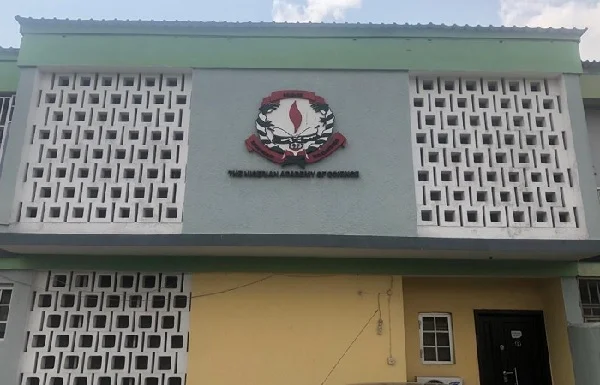
The Nigerian Academy of Science (NAS), the nation’s apex scientific advisory body, has officially launched the Research Leaders Mentorship (ReLM) Programme, a strategic initiative designed to cultivate the next generation of scientific pioneers. By pairing 25 promising early-career researchers with an equal number of distinguished Fellows and senior scientists, the Academy aims to dismantle the systemic barriers that have historically hindered scientific productivity and career progression within the country’s academic and industrial research sectors.
The Genesis of the ReLM Initiative
The formal inauguration of the ReLM Programme took place during an orientation workshop held on 7 September 2026. This launch serves as a critical milestone for the NAS, which has long identified a "mentorship deficit" as a primary obstacle to sustained scientific innovation in Nigeria.
For many years, young researchers in Nigeria have struggled with the "brain drain" phenomenon and a lack of institutional support structures. Despite the country’s vast human capital, the transition from postgraduate studies to independent, high-impact research leadership is often fraught with difficulties, including limited access to competitive funding, restricted exposure to international research networks, and a dearth of guidance on navigating the complexities of academic publishing and policy engagement.
The ReLM programme is the Academy’s direct response to these persistent challenges. By creating a formal, six-month structured engagement, the NAS intends to provide more than just informal advice; it seeks to institutionalize the transfer of knowledge from seasoned experts to those currently shaping the future of Nigerian science.
Structural Framework and Operational Timeline
The ReLM programme is defined by a rigorous matching process. Eligibility is extended to postgraduate students and post-doctoral researchers who have completed their terminal degrees within the last seven years. These mentees are paired with mentors based on a meticulous alignment of research interests, disciplinary expertise, and long-term career objectives.
The six-month engagement period is structured into three primary phases:
- The Orientation Phase (September 2026): Establishing the foundational relationship between mentor and mentee, setting specific goals, and defining the scope of the collaboration.
- The Capacity-Building Phase (October–December 2026): This period features interactive workshops focusing on critical skills such as grant proposal writing, effective science communication, ethical research practices, and navigating the nuances of global scientific publishing.
- The Mentorship Consolidation Phase (January–March 2027): A period dedicated to the practical application of learned skills, where mentees work under the guidance of their mentors to refine their research projects, finalize manuscripts, and expand their professional circles.
Institutional Objectives and Official Stance
Professor Abubakar Sambo, President of the Nigerian Academy of Science, emphasized the urgency of the initiative during the launch. According to Professor Sambo, the goal is to transform the scientific landscape by ensuring that young scientists are not only technically proficient but also strategically positioned to influence national policy.
"The Academy is positioning mentorship as a strategic tool for strengthening Nigeria’s scientific community," Professor Sambo stated. "We are moving beyond theoretical science. Our focus is on supporting the development of a new generation of researchers capable of producing impactful, society-relevant research that addresses the unique developmental challenges facing Nigeria, from healthcare delivery to climate resilience."
The NAS, as the foremost independent scientific body in the country, operates with a mandate to bring scientific evidence to the center of government policy. By fostering this mentorship programme, the Academy is effectively creating a pipeline of talent that can feed into national strategic planning, ensuring that the country’s policy decisions are informed by robust, data-driven research.
The Landscape of Nigerian Research: A Data-Driven Analysis
The urgency for the ReLM programme is underscored by current trends in Nigeria’s research ecosystem. While the country has seen a steady increase in the number of PhD graduates annually, the output in terms of high-impact journal publications and patent filings remains disproportionately low compared to global benchmarks.

According to data from the National Bureau of Statistics and international citation indices, Nigeria’s research productivity is often hampered by:
- Inadequate Research Infrastructure: While talent exists, the lack of cutting-edge laboratories and sustained funding remains a significant bottleneck.
- Funding Gaps: The reliance on limited government grants has forced many researchers to seek external funding, which often lacks alignment with national developmental priorities.
- Collaboration Deficits: There is a notable lack of interdisciplinary and international collaboration, which the ReLM programme explicitly seeks to rectify by encouraging mentors to introduce mentees to their wider professional networks.
By facilitating these connections, the NAS is addressing the "silo effect," where brilliant research often remains confined to university departments without reaching the stakeholders—such as policymakers and private sector players—who can implement the findings.
Broadening the Impact: Beyond the Laboratory
The implications of the ReLM programme extend far beyond the laboratory. If successful, the programme could significantly improve Nigeria’s standing in global science and technology rankings.
Historically, scientific advancement in emerging economies is heavily dependent on the existence of "knowledge clusters." These are hubs where experienced senior scientists mentor younger cohorts, creating a cycle of continuous learning and innovation. By formalizing this, the NAS is effectively building an internal knowledge cluster that can be replicated across various disciplines—from agriculture and biotechnology to engineering and public health.
Furthermore, the programme acts as a retention mechanism. By providing a clear path for professional development and meaningful engagement with the senior scientific community, the Academy is offering young researchers a compelling reason to remain in the Nigerian research ecosystem, thereby mitigating the ongoing trend of talent migration to Europe, North America, and the Middle East.
Future Perspectives and Expected Outcomes
The success of the inaugural cohort of 25 mentees will be evaluated through a series of key performance indicators (KPIs) set by the NAS. These include:
- Success rates in grant applications submitted by mentees during the programme.
- Number of peer-reviewed publications co-authored by mentors and mentees.
- Engagement levels in national policy discussions or public-facing scientific initiatives.
- Feedback loops from both the mentors and mentees regarding the efficacy of the pairing process.
The Academy has indicated that, depending on the success of this pilot, the ReLM programme is intended to become a permanent fixture of its annual calendar, potentially expanding to include a larger number of participants in subsequent years.
A Call for National Support
The launch of the ReLM programme is also a signal to the private sector and government agencies. The Academy is essentially inviting these stakeholders to invest in the research ecosystem. As the mentees gain prominence through their work, the expectation is that they will become the lead investigators on large-scale projects that require industry support.
For the Nigerian scientific community, this is a moment of consolidation. The collaboration between the established Fellows—who hold the institutional memory and the hard-won wisdom of decades of practice—and the early-career researchers—who bring fresh perspectives and modern technological adaptability—is expected to yield a significant multiplier effect.
In conclusion, the Research Leaders Mentorship Programme represents a sophisticated, well-timed intervention in Nigeria’s scientific development. By focusing on the human element of research—the mentorship and the transmission of professional values—the Nigerian Academy of Science is laying the groundwork for a more robust, resilient, and influential scientific future. As the inaugural cohort begins its journey, the progress of this programme will be watched closely by observers of science policy across the African continent.




