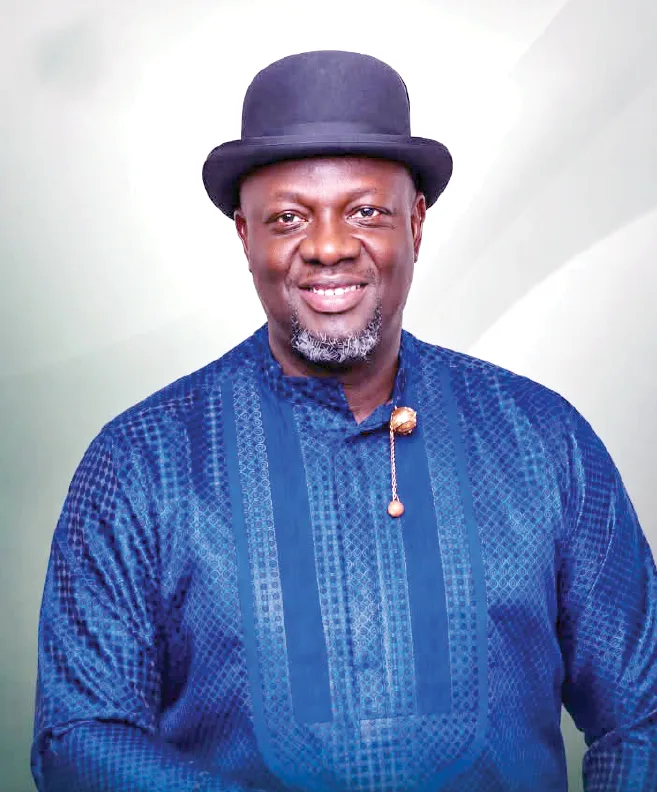
The National Sports Commission (NSC) has formally brought an end to months of administrative ambiguity surrounding the leadership of the Karate Federation of Nigeria (KFN). In a definitive communication issued on November 2, 2026, the Commission reaffirmed Dr. Chukwudi Dimkpa as the substantive President of the federation. This resolution follows a period of uncertainty that had prompted multiple inquiries from the Union of African Karate Federations (UAKF), effectively clearing the path for the federation to streamline its operations and focus on the development of the sport within Nigeria and across the continent.
The confirmation from the NSC, signed by Kabir Yusuf on behalf of the Commission’s Chairman, serves as a binding mandate that resolves internal friction and aligns the KFN with the regulatory standards established by the national sports governing body. For the broader Nigerian sporting community, this move is viewed as a necessary step toward restoring institutional stability, ensuring that Nigeria’s representation in international karate circles remains consistent and authoritative.
A Chronology of the Leadership Dispute
The path to this resolution was marked by a series of administrative inquiries and internal reviews that spanned over sixteen months. The genesis of the current discourse dates back to the National Sports Federation Elections held on October 25, 2025. Following the outcome of that electoral process, various stakeholders within the karate community sought clarity on the legitimacy of the leadership structure, leading to concerns from the continental governing body.
The chronology of the resolution process is as follows:
- October 25, 2025: The National Sports Federation Elections were conducted, which formed the basis for the subsequent leadership claims within the Karate Federation of Nigeria.
- June 15, 2026: The Union of African Karate Federations submitted its first formal inquiry to the Nigerian authorities, seeking verification regarding the recognized leadership of the KFN.
- June 26, 2026: The National Sports Commission responded to the initial inquiry, acknowledging the receipt of the request and clarifying that the administrative structure of the federation was undergoing a comprehensive internal audit and review.
- September 16, 2026: A second, follow-up inquiry was launched by the UAKF, reflecting the growing urgency for international recognition of the Nigerian federation’s leadership ahead of upcoming continental engagements.
- November 2, 2026: The National Sports Commission issued its final, binding decision, formally naming Dr. Chukwudi Dimkpa as the legitimate and substantive President of the Karate Federation of Nigeria.
The Significance of the NSC Review
The decision was not made in isolation; rather, it was the culmination of a rigorous review process by the NSC. By examining the procedures of the October 2025 elections, the Commission sought to ensure that all administrative actions were compliant with the legal and constitutional frameworks governing Nigerian sports federations.
In the official correspondence, the Commission emphasized that the validation of Dr. Dimkpa’s presidency is "pursuant to a comprehensive review" of the electoral process. This wording is crucial, as it suggests that the NSC prioritized legal due diligence over transient political pressures. By positioning the decision as a result of an audit, the NSC has effectively insulated the federation from potential future litigation or internal challenges regarding leadership legitimacy.
Broader Implications for Nigerian Karate
The implications of this announcement extend far beyond simple record-keeping. For the KFN, the formal backing of the NSC provides the necessary legitimacy to engage with global partners, including the World Karate Federation (WKF) and the International Olympic Committee (IOC) affiliated bodies. Administrative stability is a prerequisite for funding, training support, and participation in high-level tournaments such as the African Games and the Karate World Championships.
Furthermore, this development addresses the "recognition gap" that had previously hindered the federation’s ability to conduct official business. With a clearly defined leadership, the federation can now focus on the following strategic areas:

- Administrative Harmonization: Aligning internal records and organizational charts with the requirements of both the NSC and the UAKF.
- Athlete Development Programs: With the leadership dispute resolved, resources can be redirected toward training camps and the selection of national team representatives for upcoming international qualifiers.
- International Diplomacy: Strengthening ties with the UAKF to ensure that Nigerian athletes are not disadvantaged by past administrative uncertainties.
- Governance Reform: Implementing the transparency and accountability measures mentioned in the NSC’s statement to prevent future leadership crises.
Perspectives on Governance and Accountability
The involvement of the NSC in this matter underscores the role of the government in acting as an arbiter for sports federations. While international sports bodies often emphasize the autonomy of federations, the reality in many African nations is that the national sports ministry or commission plays a pivotal role in ensuring that these bodies operate within the law.
Industry experts observe that the NSC’s emphasis on "transparency and accountability" in its letter to the UAKF is a clear signal to all national sports federations that the era of administrative opacity is ending. By insisting on a clear and documented leadership structure, the NSC is attempting to professionalize the management of non-football sports, which have historically suffered from inconsistent governance and lack of fiscal oversight.
The Union of African Karate Federations, having received the official confirmation, is now expected to update its records to reflect Dr. Dimkpa’s position. This alignment is vital for the UAKF to ensure that the Nigerian representative has the authority to vote on continental matters and participate in policy-making meetings within the Union.
Challenges Ahead for the Federation
While the leadership issue has been settled, Dr. Dimkpa and his executive team face the immediate challenge of rebuilding trust within the karate community. The months of uncertainty likely created factions, and the task of unifying the various interest groups—including coaches, athletes, and local club owners—will require significant diplomatic effort.
The federation must also contend with the logistical demands of modernizing the sport in Nigeria. Karate, which has gained increased visibility since its inclusion in the Olympic movement, requires specialized facilities, certified officiating, and robust grassroots development to produce elite-level talent. With the NSC’s backing, the KFN is now better positioned to seek public-private partnerships, which are essential for funding equipment and travel expenses for national athletes.
Looking Toward the Future
The resolution of the leadership crisis is a milestone for the sport of karate in Nigeria. It marks a transition from a period of introspective administrative struggle to one of external engagement and growth. By clarifying the status of the President, the NSC has provided a clean slate for the KFN to execute its mandate.
Moving forward, the success of Dr. Dimkpa’s tenure will be judged not by the resolution of this administrative dispute, but by the performance of the Nigerian team on the mats and the growth of the sport at the grassroots level. Stakeholders, including the Nigerian public and the international karate community, will be watching closely to see how the federation navigates the coming months.
The promptness of the NSC’s latest action, following the repeated inquiries from the UAKF, indicates a responsive regulatory environment. As the federation moves to integrate its operations with international standards, the focus will inevitably shift toward technical development and competitive excellence. The path to achieving these goals is now, at the very least, paved with the security of legal and governmental recognition, providing a stable foundation for the future of Nigerian karate.
In conclusion, the reaffirmation of Dr. Chukwudi Dimkpa as the President of the Karate Federation of Nigeria is a significant step toward institutional maturity. The commitment expressed by the NSC to maintain "cordial relations" with international bodies suggests a proactive approach to global integration, which is essential for any sports federation aiming to excel on the world stage. With the internal legitimacy of the leadership now beyond dispute, the KFN is equipped to move past the distractions of the past year and embark on a new chapter of professional administration and sporting success. The coming years will demonstrate whether this newfound stability can be translated into tangible growth for the thousands of young athletes who represent the future of Nigerian martial arts.