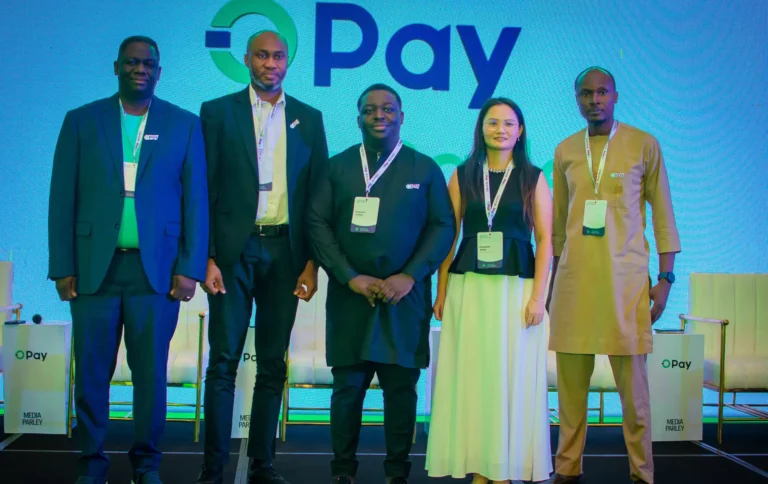
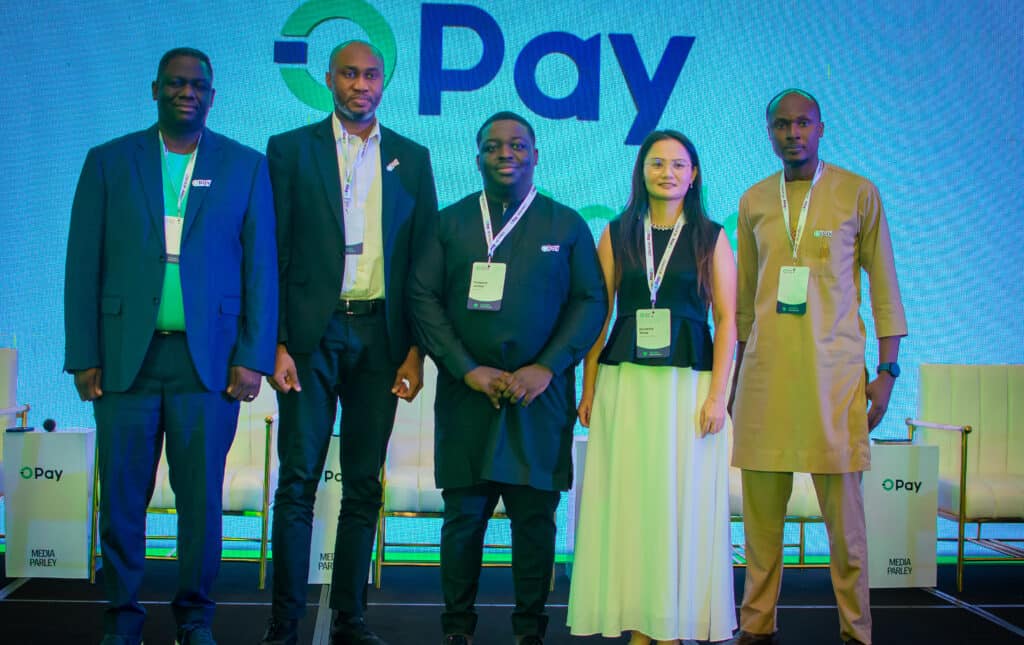
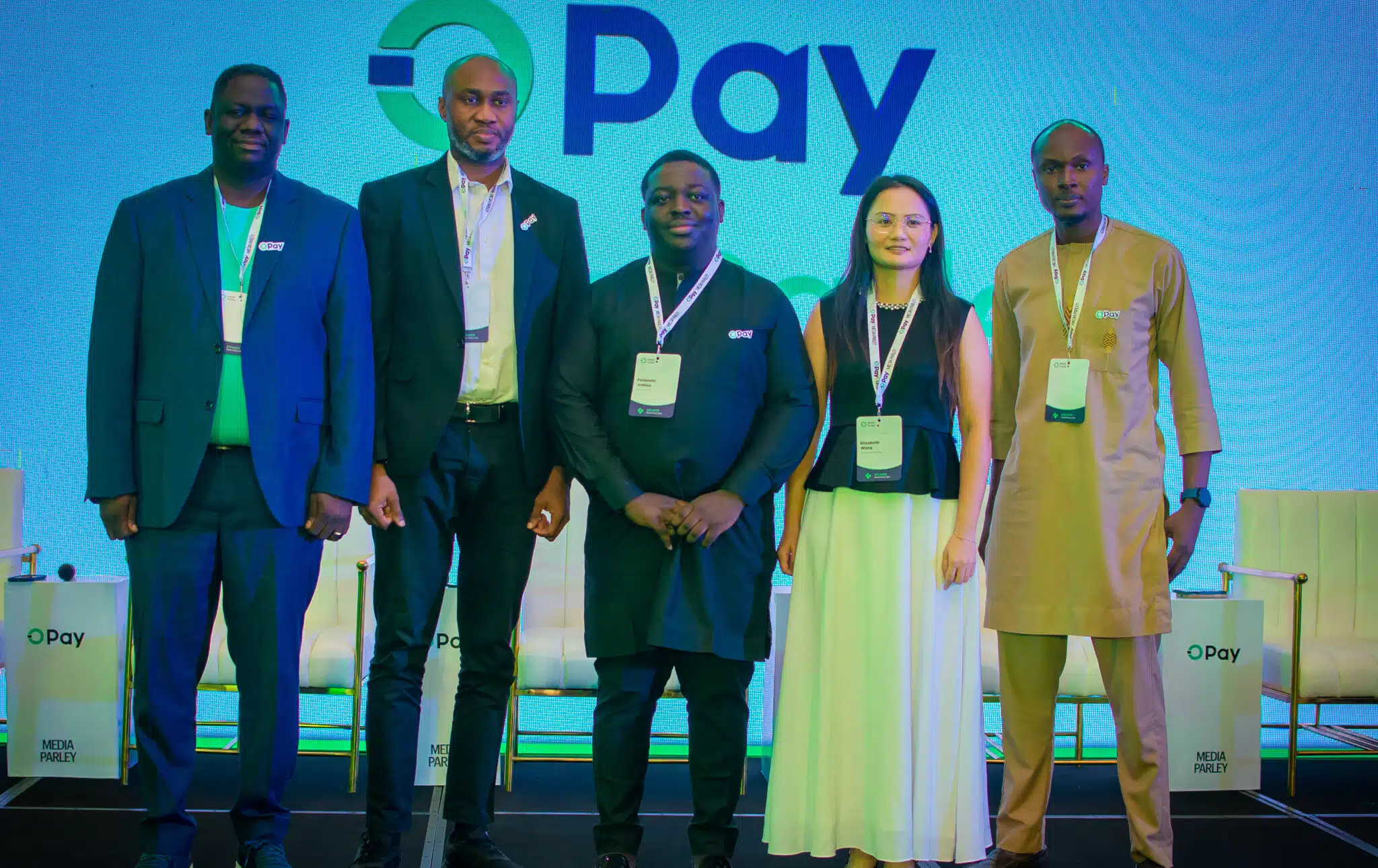
In an era where financial technology is rapidly redrawing the boundaries of global commerce, OPay, the Chinese-backed African fintech giant, has unveiled a roadmap that seeks to redefine the scale of digital banking. During a high-profile media parley recently held in Lagos, Nigeria, the company’s executive leadership announced an audacious target: to serve one billion users globally and facilitate the creation of one million jobs by the year 2031. This objective represents not just a significant leap for the company, but a potential milestone for the entire global fintech ecosystem, particularly in emerging markets where financial inclusion remains a critical challenge.
The ambition comes at a time when OPay has already established itself as a dominant force in the Nigerian market, boasting approximately 46 million users. However, the path from 46 million to one billion requires a nearly twenty-fold increase in its user base within seven years. To achieve this, OPay is leaning on its proven track record of adaptability, its robust technological infrastructure, and a strategy that prioritizes user trust and security above all else.
The Evolution of a Fintech Powerhouse: A Timeline of Strategic Pivots
OPay’s journey to its current market position was not linear. The company first entered the Nigerian market in 2018 under the umbrella of the Opera Group, leveraging the massive user base of the Opera Mini browser. Initially, OPay followed the "super app" model popular in Southeast Asia and China, exemplified by platforms like WeChat and Gojek. This strategy saw the launch of ORide (a bike-hailing service), OBus (bus transit), and OFood (food delivery), all integrated into a single digital wallet.
However, the landscape shifted dramatically in early 2020. The Lagos State Government’s ban on commercial motorcycles on major highways effectively crippled the ORide business model. Concurrently, the global COVID-19 pandemic disrupted logistics and transit. Rather than retreating, OPay executed a decisive pivot, shuttering its non-fintech verticals to focus exclusively on financial services. This strategic narrowing of focus allowed the company to pour its engineering and marketing resources into perfecting its payment infrastructure.
By 2021, OPay’s focus paid off as it achieved "unicorn" status following a $400 million Series C funding round led by SoftBank Vision Fund 2, valuing the company at $2 billion. This capital injection accelerated its expansion beyond Nigeria, into markets such as Egypt, Pakistan, and Indonesia, setting the stage for its current global ambitions.
The 2023 Cash Crunch: A Catalyst for Dominance
The defining moment for OPay’s brand equity in Nigeria occurred in early 2023. A controversial Naira redesign policy implemented by the Central Bank of Nigeria (CBN) led to a severe shortage of physical cash. As legacy commercial banks struggled under the sudden surge of digital transaction volumes, their legacy systems frequently collapsed, leaving millions of Nigerians unable to perform basic financial transactions.
A report by the global consulting firm KPMG highlighted that during this period, approximately 58% of Nigerian consumers migrated toward fintech platforms. OPay, along with competitors like PalmPay and Moniepoint, became the "lenders of last resort" for transaction reliability. OPay’s system, built on cloud-native architecture with localized data centers in Nigeria, maintained a transaction success rate of over 99.9%.
This reliability, combined with a zero-fee transfer policy and a massive network of Point-of-Sale (POS) agents, transformed OPay from a secondary wallet into a primary bank for millions. The company’s chief commercial officer, Elizabeth Wang, noted that this period solidified the bond of trust between the fintech and the informal economy—a demographic that had long been skeptical of traditional banking institutions.
Technical Infrastructure and Security as a Growth Engine
To reach the one-billion-user mark, OPay is betting heavily on its technical superiority. Dotun Adekunle, OPay’s Chief Operating Officer and Chief Technology Officer, emphasized that the company views market frictions not as obstacles, but as engineering problems. "Where the market said, ‘that’s just how payments work here,’ we treated it as an engineering problem waiting to be solved," Adekunle explained during the Lagos parley.
One of the primary barriers to digital banking adoption in emerging markets is the fear of fraud. OPay has addressed this by implementing a multi-layered security protocol that goes beyond traditional passwords. The platform utilizes AI-driven facial verification that is automatically triggered by "red flag" activities. These include high-value transfers, logins from new devices, or transactions attempted at unusual hours or locations.
Furthermore, OPay has become the largest card issuer in Nigeria, with over 26 million cards issued. This physical-digital hybrid approach ensures that users who still rely on physical infrastructure (like ATMs and POS terminals) are not left behind. By bridging the gap between the cash-heavy informal sector and the digital economy, OPay creates a "sticky" ecosystem that is difficult for users to leave.
Analyzing the One Billion Goal: Market Dynamics and Challenges
The target of one billion users is historically unprecedented for a fintech born out of the African market. For comparison, Safaricom’s M-PESA, often cited as the gold standard of mobile money, serves roughly 70 million customers. Even global giants like PayPal have roughly 430 million active accounts. To hit one billion, OPay must dominate not just Africa, but also capture significant market share in high-population regions like South Asia and Southeast Asia.
Adedeji Olowe, CEO of Lendsqr, suggests that such "impossible goals" are necessary for transformational companies. "Hard to say it would be impossible or not," Olowe remarked, acknowledging that the sheer scale of the unbanked population in OPay’s target regions provides a theoretical pathway to that number.
However, industry analysts point to several significant hurdles:
- Regulatory Fragmentation: Each country OPay enters—from Egypt to Pakistan—has its own unique regulatory framework, data sovereignty laws, and licensing requirements. Replicating the Nigerian success requires navigating complex political landscapes.
- Infrastructure Disparity: While Nigeria has a robust real-time payment switch (NIBSS), other markets may lack the underlying national infrastructure to support 99.9% success rates.
- Local Competition: In markets like Indonesia, OPay faces entrenched players like GoPay and OVO. In Northern Africa, the banking culture is more conservative, and the reliance on Mobile Money (MoMo) operators like Vodafone Cash presents a different competitive dynamic.
Unyime Tommy, Managing Partner at Assurdly, believes OPay’s aggressiveness is its greatest asset. "For the fintech to enter a market like Nigeria and dominate an already advanced fintech market, they can win over their competitors in other markets if they employ the same strategies that worked in Nigeria and adapt as they go," Tommy stated.
Socio-Economic Impact: The One Million Jobs Initiative
A critical component of OPay’s 2031 vision is the creation of one million jobs. This goal is largely tied to the expansion of its "Agency Banking" network. In many parts of the developing world, a "bank branch" is not a building, but an individual with a POS terminal. These agents provide cash-in/cash-out services, bill payments, and account opening services in remote areas.
By expanding this network, OPay is effectively creating a micro-entrepreneurship ecosystem. For many young people in Nigeria and Pakistan, becoming an OPay agent is a viable alternative to traditional employment. This "human-led" approach to fintech serves a dual purpose: it drives user acquisition among the digitally illiterate and provides a scalable model for job creation that aligns with the company’s growth.
The Broader Implications for Global Fintech
OPay’s 2031 ambition signals a shift in the global fintech power balance. Historically, financial innovations flowed from the West to the East and South. Today, the "leapfrogging" effect—where developing nations skip landlines for mobile phones and physical banks for mobile wallets—is creating a new class of financial titans.
If OPay successfully manages the costs of overhead, navigates the rising tide of cybersecurity threats, and maintains its regulatory standing, its journey toward one billion users could provide a blueprint for the "bank of the future." This bank is not defined by its vaults or its history, but by its code, its reliability during crises, and its ability to turn a smartphone into a comprehensive financial tool for the world’s most underserved populations.
As the company moves toward its 2031 deadline, the industry will be watching closely. Whether OPay hits the ten-figure user mark or not, its aggressive expansion and technological focus have already forced a permanent change in how financial services are delivered across the African continent and beyond. The "OPay model" has proven that in the digital age, trust is the ultimate currency, and reliability is the greatest competitive advantage.