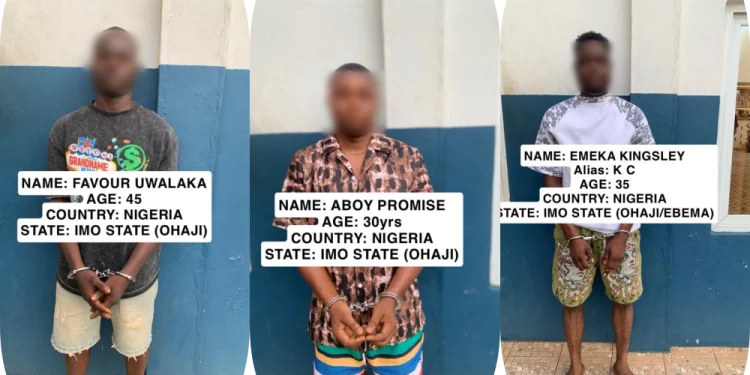
The Ashanti Regional Police Command, in a coordinated operation involving elite tactical units, has apprehended three Nigerian nationals suspected of orchestrating a sophisticated criminal syndicate dedicated to targeting bank customers in Kumasi and its surrounding metropolitan areas. The arrests, which occurred in late October 2026, mark a significant breakthrough in the regional fight against organized crime and financial street robbery, a trend that has increasingly alarmed residents and law enforcement agencies alike.
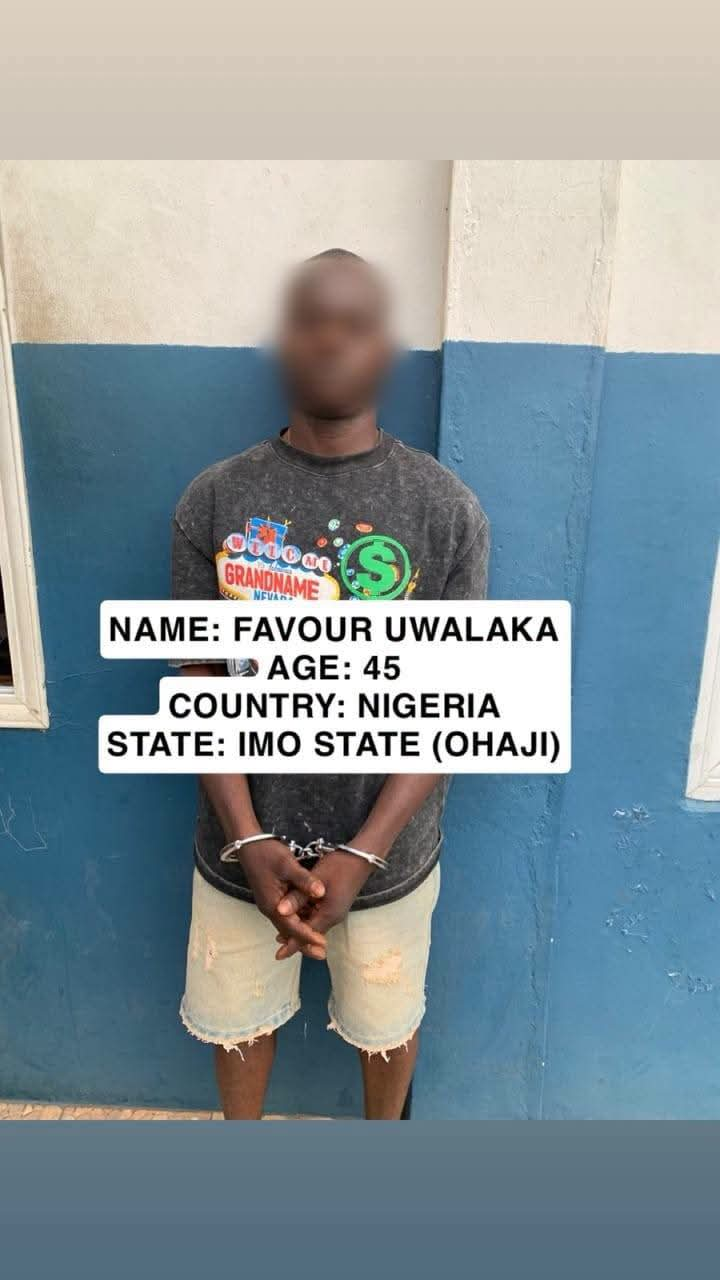
The suspects, identified as 30-year-old Aboy Promise, 45-year-old Favour Uwalaka, and 35-year-old Kingsley—commonly referred to as "KC"—were taken into custody following a period of intense intelligence-led surveillance. According to an official statement released by the Ghana Police Service on Tuesday, November 3, 2026, the operation was executed on October 31. The successful capture was the result of a joint effort between the Inspector General of Police’s (IGP) Special Team, personnel from the Anti-Armed Robbery Unit of the Criminal Investigation Department (CID) Headquarters, and the Accra Regional Police Intelligence Directorate.
Chronology of the Criminal Operation
The syndicate’s modus operandi, as uncovered during preliminary police investigations, was characterized by high-level surveillance and premeditation. The group reportedly stationed members near prominent financial institutions within Kumasi, observing patrons as they performed transactions. Their primary targets were individuals withdrawing large sums of cash. Once a target was identified, the group would trail the customer, waiting for an opportunity to strike.
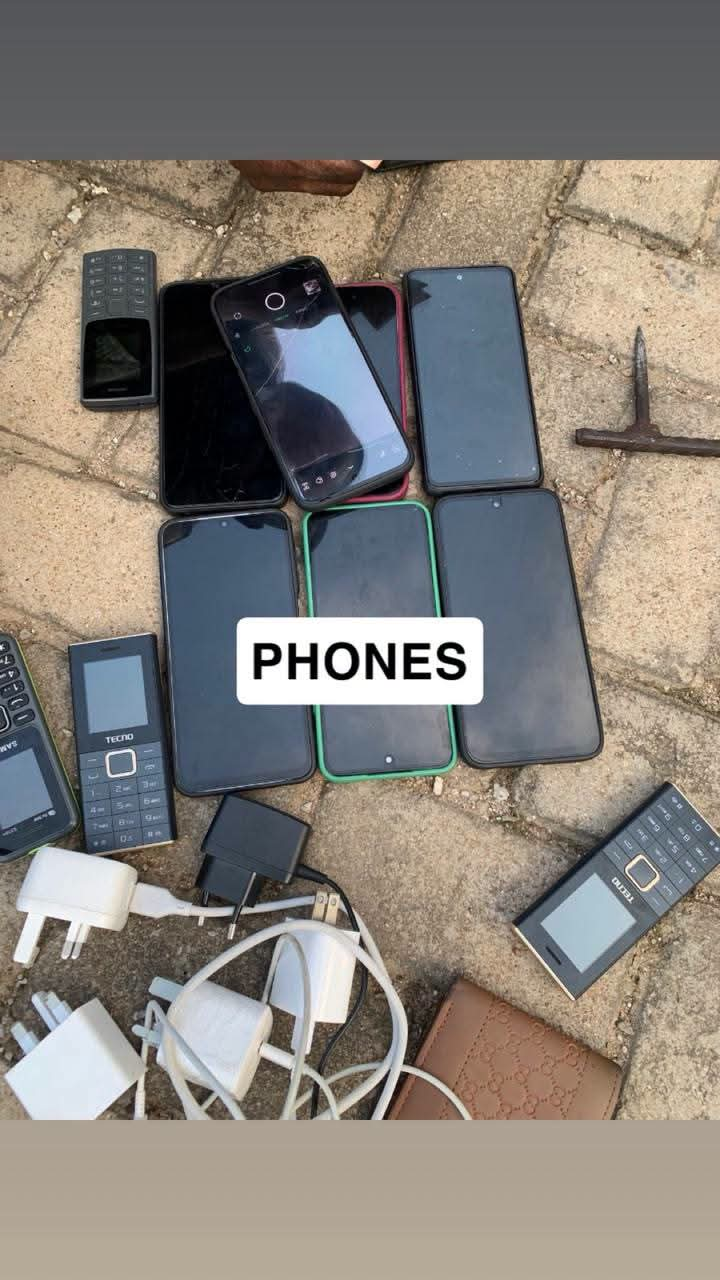
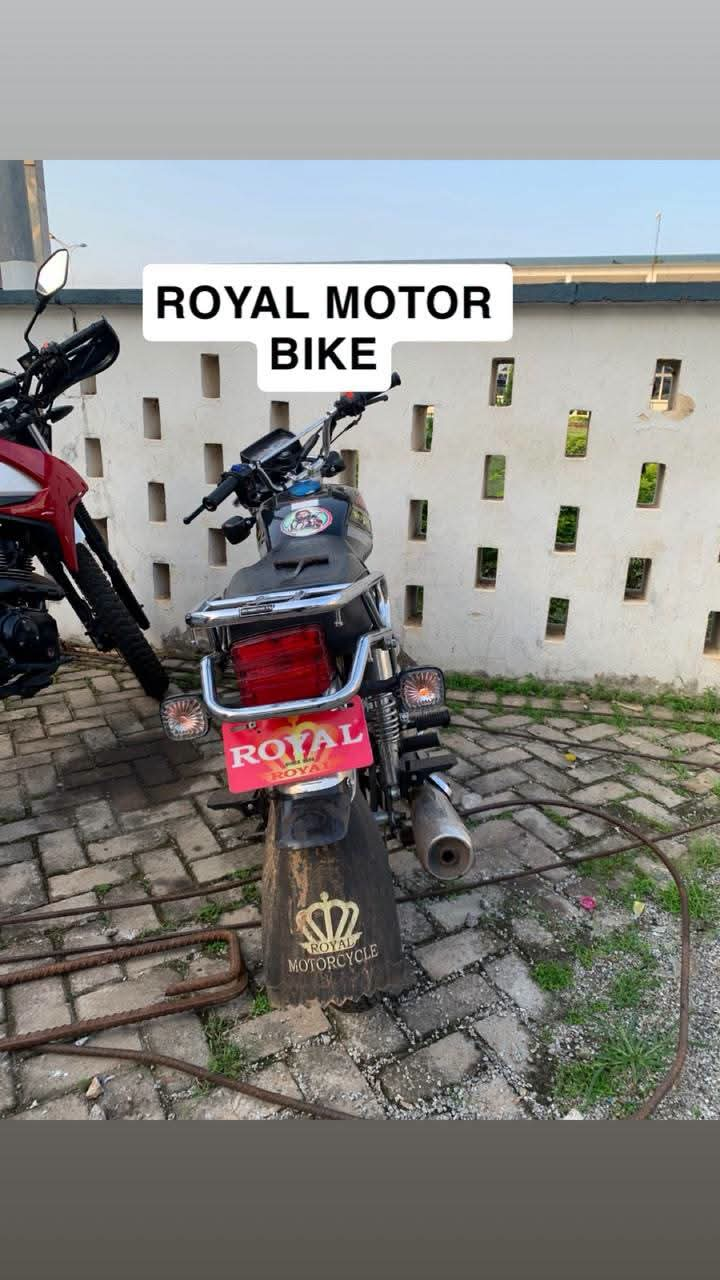
The tactical investigation culminated on October 31, 2026, when law enforcement officers zeroed in on a hotel located in Moshie Zongo. During the raid, Promise and Uwalaka were apprehended. A subsequent search of their premises yielded significant evidence, including GH¢1,600 in cash, an assortment of mobile phones, a Royal motorbike—believed to be used for rapid egress from crime scenes—and, most notably, a master key. Law enforcement officials suspect this master key was instrumental in the syndicate’s ability to gain unauthorized access to locked vehicles parked by bank customers.
Following the interrogation of the initial two suspects, investigators obtained leads on two additional accomplices. This intelligence directed the police team to a second hotel facility in Dichemso, where Kingsley, alias KC, was successfully arrested. While the trio is currently in police custody assisting with the ongoing investigation, a fourth suspect, identified as Chinedu (alias "Alhaji"), remains at large. The police have launched a manhunt for the fugitive and have urged the public to provide any actionable information that could lead to his capture.

Documented Crimes and Modus Operandi
The criminal activity attributed to this group spans several high-traffic financial locations in the Ashanti Region. Among the specific incidents under investigation is an armed robbery that occurred on October 27, 2026, at Asokore Mampong. In this instance, the suspects allegedly intercepted a victim who had just completed a withdrawal from the Kwamang Rural Bank, successfully relieving the individual of GH¢15,000.
Furthermore, investigators have linked the syndicate to similar robberies targeting customers at the Atonsu branch of Fidelity Bank and the Ahodwo branch of Access Bank. The pattern of these crimes suggests that the suspects were not merely opportunistic thieves but were operating a well-oiled network. By utilizing the master key to bypass vehicle security, the syndicate was able to conduct "smash-and-grab" style thefts even when the victims were only briefly away from their cars, highlighting a level of sophistication that law enforcement has struggled to contain in recent months.
The Rise of Financial Crime in the Ashanti Region
The arrest of this syndicate sheds light on the broader issue of security within the financial sector in Ghana. Financial institutions, despite their robust internal security systems, often find themselves vulnerable to external criminal activity occurring in the "last mile"—the period between a customer leaving the bank premises and reaching their final destination.
Statistically, urban centers like Kumasi have seen a fluctuating rate of street-level financial crimes. The prevalence of these robberies often spikes during periods of economic volatility, as criminal syndicates exploit the cash-reliant nature of many small-to-medium enterprises. The use of motorbikes for these robberies has become a recurring theme, as they allow perpetrators to navigate through heavy traffic and narrow streets, evading police checkpoints and conventional patrol vehicles.
The recovery of the Royal motorbike serves as a stark reminder of the mobility challenges law enforcement faces. As the Ashanti Regional Police Command integrates more intelligence-driven policing, the success of this operation underscores the importance of the IGP’s Special Team in bridging the gap between local intelligence and national-level tactical responses.
Official Responses and Security Advisories
In the wake of the arrests, the Ghana Police Service has issued a renewed call for vigilance among the banking public. The police statement emphasized that while they are committed to maintaining order, the nature of these crimes requires a proactive approach from the public.
"We urge all bank customers to remain alert to their surroundings when performing financial transactions," the statement noted. "Suspicious individuals loitering near banking halls or monitoring activities in parking areas should be reported to the nearest police station immediately."
Additionally, the police have issued a stern advisory against leaving cash and other valuables unattended in vehicles. The use of master keys by the suspects highlights the vulnerability of standard vehicle locks, and law enforcement suggests that customers who withdraw significant amounts of cash should, whenever possible, utilize armored transit services or maintain a low profile, avoiding the display of cash in public spaces.
Broader Implications and Future Outlook
The implications of this case extend beyond the immediate arrests. The involvement of foreign nationals in domestic organized crime syndicates has sparked discussions regarding regional cooperation and border security. While the Ghana Police Service has handled this case with local jurisdictional authority, the necessity of regional intelligence sharing is evident.

The legal process for the three suspects will likely be rigorous. Given the evidence recovered—including the cash and the specialized tools for vehicle entry—the prosecution is expected to build a strong case centered on conspiracy to commit robbery and possession of criminal instruments. Legal experts suggest that if convicted, the suspects could face significant prison sentences, which may serve as a deterrent to other criminal elements operating within the region.
Furthermore, the banking sector in Kumasi is expected to review its own security protocols. Banks may look into enhancing the surveillance of their immediate exterior environments, potentially through increased CCTV coverage and the deployment of additional private security personnel to monitor parking areas. While banks generally hold responsibility for the safety of their premises, these incidents suggest that the perimeter of the banking environment is becoming a primary theater of criminal activity.
As the Ashanti Regional Police Command continues its investigation into the extent of this syndicate’s reach, the focus remains on capturing the remaining suspect, Chinedu. The community’s cooperation, which proved vital in the recent arrests, remains the most effective tool for law enforcement. The ability of the police to connect disparate incidents at Fidelity, Access, and Kwamang Rural banks suggests a maturing investigative capacity that is capable of tracing criminal patterns across different jurisdictions.
In conclusion, the arrest of these three suspects represents a pivotal moment in ensuring the security of the financial ecosystem in Kumasi. As the judicial process begins, the public will be watching closely to see how effectively the state addresses these organized threats. For now, the message from the Ashanti Regional Police is clear: criminal syndicates targeting bank customers will be met with the full force of the law, and the pursuit of justice for victims will continue until every member of the network is held accountable.