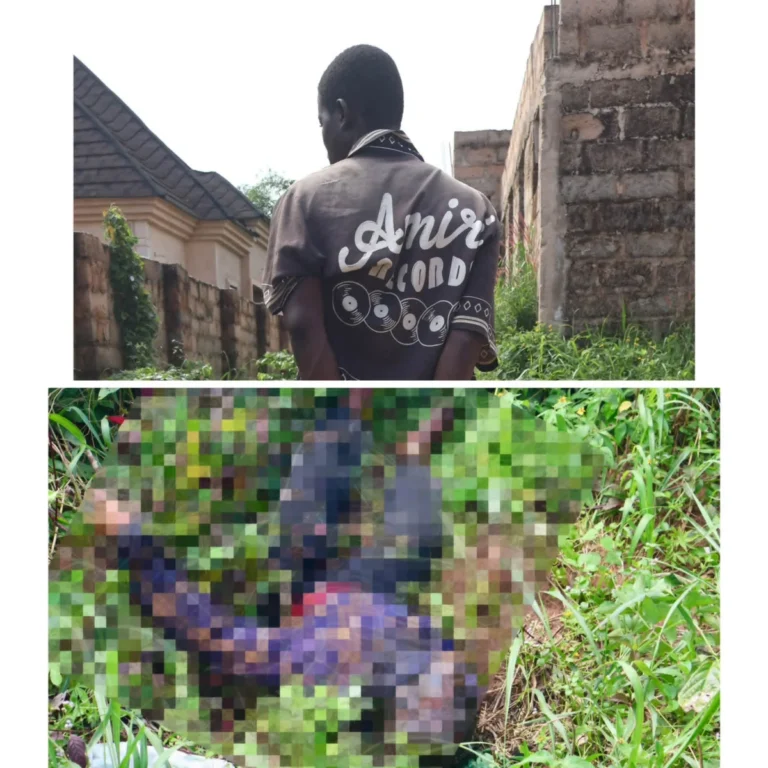
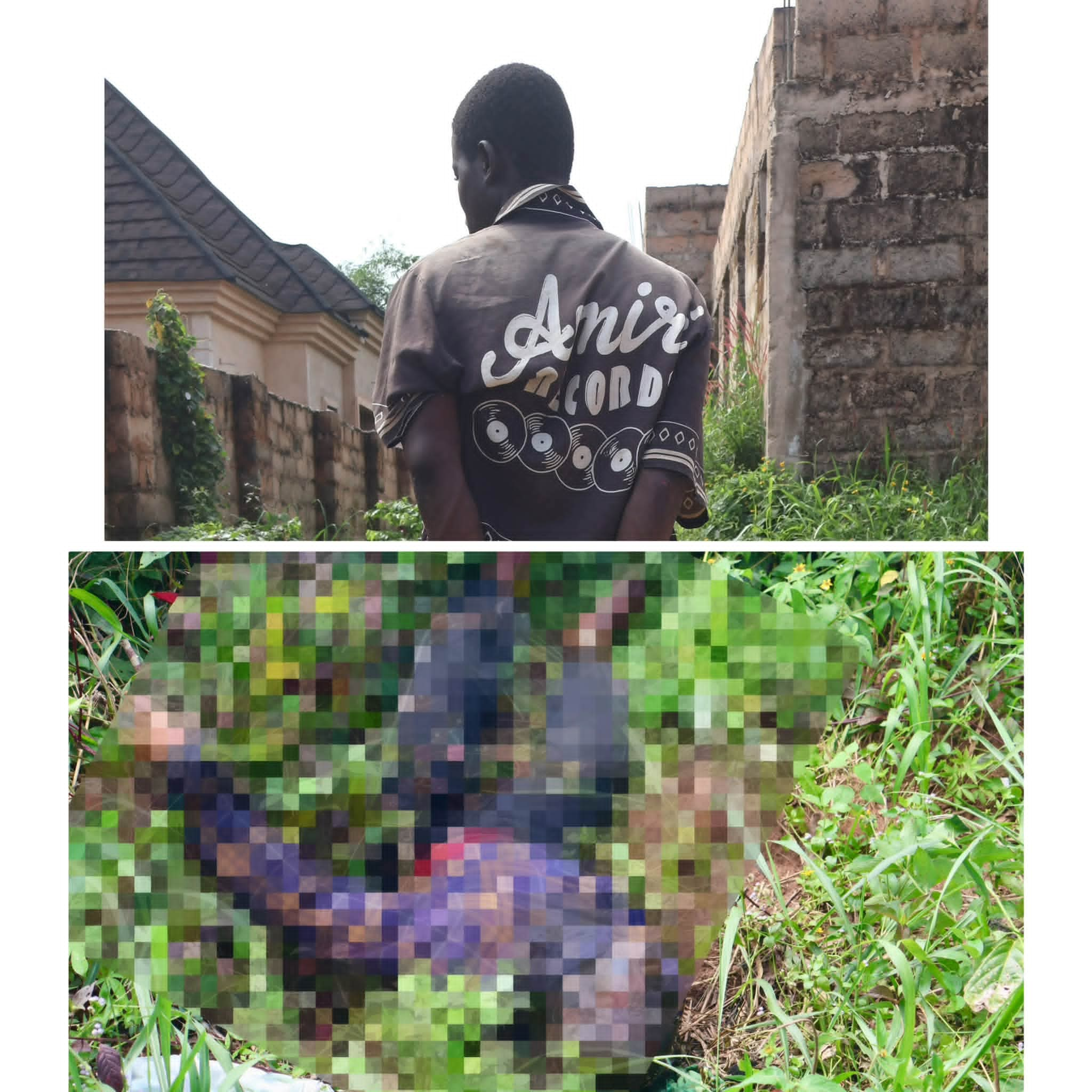
The Edo State Police Command has successfully dismantled a criminal syndicate responsible for the brutal murder of Hamisu Sule, a commercial motorcycle operator whose life was cut short in a calculated robbery. This development, confirmed by the Command’s spokesperson, ASP Eno Ikoedem, on November 9, 2026, marks a significant breakthrough in the ongoing efforts to curb violent crimes targeting transit workers in the state. The arrest of the three suspects—identified as Dominic Habbaku (36), Chinda Musa (28), and Samuel Francis (22)—has shed light on the sophisticated and dangerous tactics employed by criminal gangs operating under the guise of unsuspecting passengers.
Chronology of the Crime and Subsequent Investigation
The events leading to this tragedy began on November 5, 2026, when Hamisu Sule was reportedly hailed by the three suspects on Sapele Road. Acting as ordinary commuters, the men requested a drop-off at the Urhobo Quarters within the Ogheghe community. What appeared to be a routine business transaction for the motorcyclist quickly devolved into a fatal trap. According to police reports, upon reaching their destination, the suspects overpowered Sule, robbed him of his TVS motorcycle, and subsequently took his life.

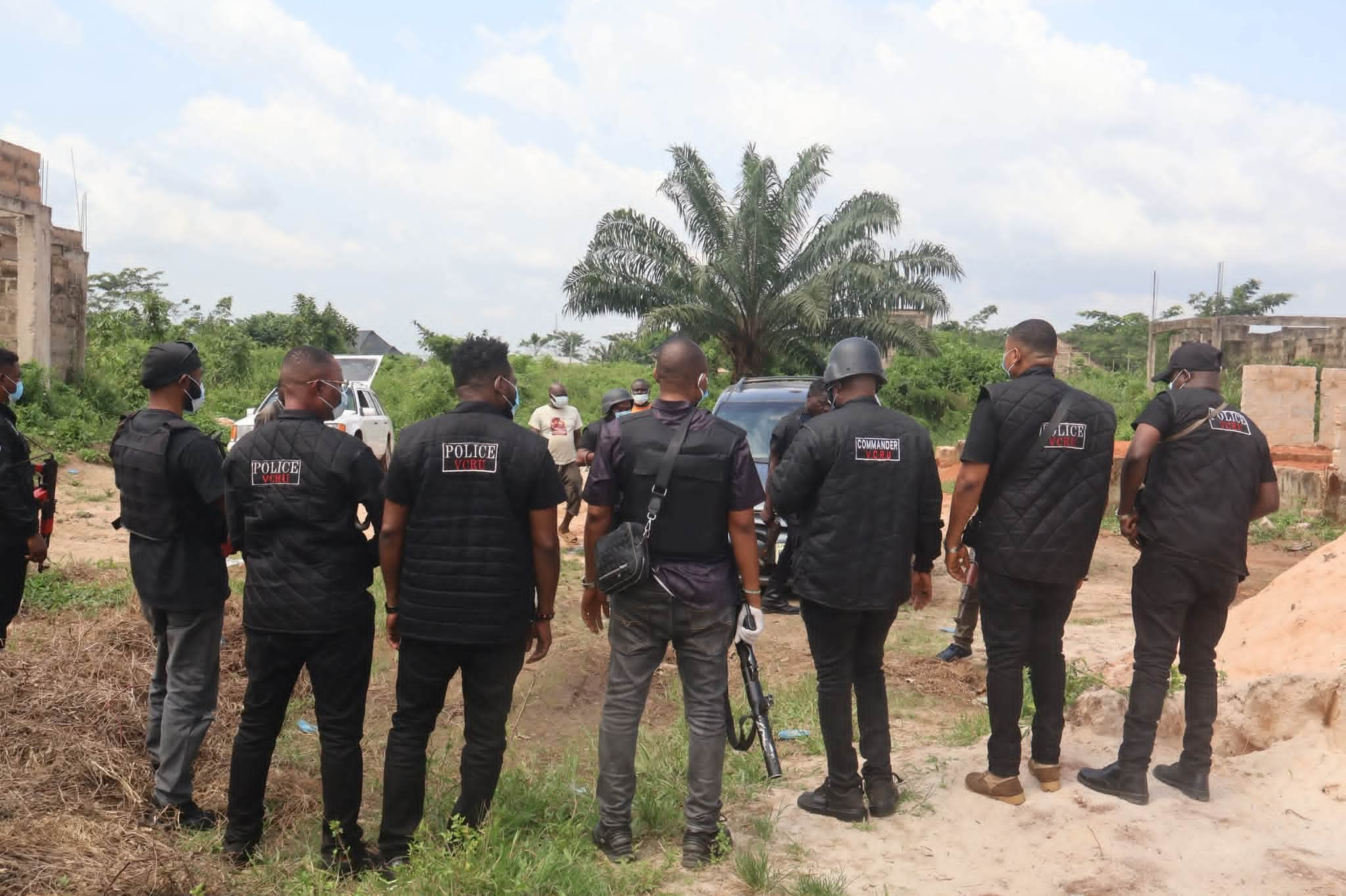
Following the disappearance of the victim, law enforcement agencies launched an investigation characterized by inter-agency cooperation. Acting on credible intelligence, a tactical team from the Violent Crime Response Unit (VCRU), bolstered by the logistical support and local intelligence of the Edo State Security Corps, identified a location of interest. The investigation led officers to an uncompleted building, which served as a hideout for the suspects.
During the raid, which occurred in the days following the murder, officers successfully apprehended the trio. A search of the premises led to the recovery of the victim’s stolen TVS motorcycle, a critical piece of evidence linking the men to the crime. Furthermore, the recovery of an assortment of ammunition—including eight rounds of live AA ammunition, two rounds of live AK-47 ammunition, and one live cartridge—suggests that the group was prepared for further violent engagements. Under interrogation, the suspects led investigators to a site in the Ogheghe community where Sule’s remains were discovered. The body has since been deposited in a morgue to undergo a formal autopsy as part of the evidentiary process for the upcoming trial.
Supporting Data and Contextual Analysis
The murder of Hamisu Sule is not an isolated incident but rather a sobering reminder of the hazards faced by commercial motorcycle operators—commonly known as "Okada" riders—in urban and peri-urban centers across Nigeria. Data from security reports indicate that motorcycle theft remains one of the most prevalent crimes in Edo State, often linked to the high demand for stolen parts and the use of motorcycles as getaway vehicles in secondary crimes such as armed robbery and kidnapping.
In 2026 alone, regional security reports have highlighted a 12% increase in reported incidents of "ride-hailing traps," where criminals lure drivers to secluded areas. The use of firearms, as evidenced by the recovery of AK-47 ammunition from the suspects, indicates an escalation in the lethality of these criminal syndicates. The involvement of the Edo State Security Corps alongside the police highlights a strategic shift toward a decentralized, intelligence-led security framework, which has proven essential in regions where police presence alone cannot monitor every uncompleted building or rural artery.
Official Statements and Law Enforcement Strategy
The Commissioner of Police for Edo State, CP Patrick Daaor, has adopted a zero-tolerance stance following the conclusion of this operation. In a formal statement addressing the press, the Commissioner articulated a stern warning to criminal elements operating within the state borders. "There will be no hiding place for those who choose a life of crime," the Commissioner stated. "The Command is committed to utilizing every resource at our disposal, from forensic analysis to community-based intelligence, to ensure that the streets of Edo are safe for law-abiding citizens."
The Commissioner’s rhetoric underscores a broader administrative directive aimed at clearing out criminal dens. By targeting the "operational weapons" mentioned in the police brief, the Command is signaling an intent to not only arrest individuals but to dismantle the supply chains that provide these criminals with high-grade ammunition.
Broader Implications for Public Safety
The murder of Hamisu Sule has sent shockwaves through the local commercial transport union, prompting calls for increased vigilance among riders. The incident raises several critical questions regarding the safety of transit workers and the oversight of uncompleted infrastructure.
- Urban Planning and Security: The use of "uncompleted buildings" as criminal hideouts is a recurring theme in urban security studies. These structures often serve as safe havens due to their lack of surveillance and proximity to transit routes. The Edo State government is currently facing pressure to enforce building regulations that mandate the securing of such sites to prevent their use for illicit activities.
- Economic Vulnerability: For many in the transport sector, their motorcycle is their sole source of livelihood. The loss of a bike, coupled with the loss of life, creates a devastating economic vacuum for the families left behind. This incident has reignited discussions on the necessity of tracking devices for commercial motorcycles and the importance of riders operating in groups, particularly during evening hours.
- Inter-Agency Collaboration: The success of the VCRU and the Edo State Security Corps in this operation serves as a case study for future security initiatives. The combination of state-level police expertise and community-level security knowledge is increasingly viewed as the most effective method for policing suburban areas where conventional patrols may be ineffective.
Next Steps in the Judicial Process
As the investigation continues, the focus of the police has shifted to the recovery of the suspects’ primary weapons and the mapping of their wider criminal network. The suspects are expected to be charged with armed robbery and murder, offenses that carry severe penalties under the Nigerian Criminal Code. The autopsy report will serve as a foundational piece of evidence in the prosecution’s case, providing the forensic link necessary to secure a conviction.
For the residents of Edo State, the swift apprehension of the suspects provides a temporary sense of relief. However, the presence of military-grade ammunition in the possession of the gang highlights a persistent challenge for regional authorities: the illicit proliferation of small arms. Until the source of these weapons is effectively neutralized, the state remains at risk of similar violent outbreaks.

The Edo State Police Command has assured the public that the investigation is far from over. They are currently analyzing the suspects’ communication devices and interrogating them to determine if they are part of a larger syndicate that has been terrorizing commuters along the Sapele Road corridor. As the state moves forward, the resolve of the police and the cooperation of the community remain the primary lines of defense against those who seek to destabilize the peace of the region. The tragedy of Hamisu Sule stands as a grim testament to the work that still remains to be done to ensure that the act of earning a living does not become a death sentence.