The political landscape of Nigeria is gearing up for a fiercely contested presidential election scheduled for January 16, 2027. According to the final list of presidential and vice-presidential candidates released by the Independent National Electoral Commission (INEC) on September 12, 2026, a total of 18 candidates have cleared all administrative hurdles to vie for the nation’s highest political office. While public discourse often focuses on established heavyweights—such as 79-year-old African Democratic Congress (ADC) candidate Atiku Abubakar and 74-year-old incumbent President Bola Tinubu—the official ballot tells a more nuanced story. Beneath the dominance of seasoned political veterans lies a vibrant, albeit smaller, cohort of younger aspirants seeking to disrupt the traditional status quo and inject fresh perspectives into national governance.
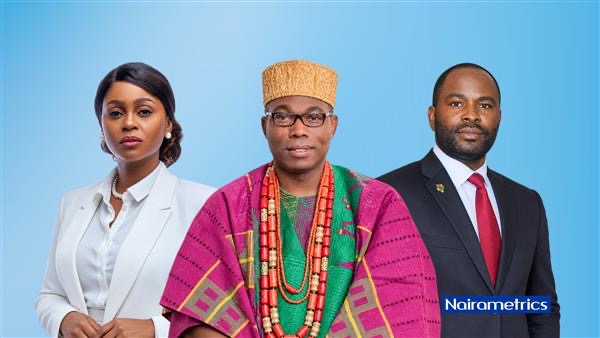
An analysis of INEC’s comprehensive data reveals that the 2027 presidential race features a distinct generational bridge. Among the 18 contenders, 10 individuals stand out for their relative youth, cutting across nine different political parties. This demographic shift highlights a persistent desire among a segment of the Nigerian population to elevate leaders who possess contemporary understandings of technology, economic diversification, and institutional reform. As the electoral clock ticks toward January 2027, these ten candidates represent an alternative vision for Nigeria’s political future, bringing diverse professional backgrounds, academic credentials, and policy agendas to the national stage.
Chronology and the Path to the 2027 Ballot
The journey toward the January 2027 presidential election has been marked by rigorous administrative processes, party primaries, and, in some instances, judicial interventions. The timeline leading up to INEC’s final candidate publication underscores the competitive and regulated nature of Nigeria’s democracy:

- March 2026: Following protracted legal battles with the electoral commission, newly formed political platforms—such as the National Democratic Party (NDP)—secured favorable Federal High Court judgments, compelling INEC to issue certificates of registration and allowing them to participate in the upcoming electoral cycle.
- May 2026: Political parties held their respective national conventions and presidential primaries across various cities, including Abuja and Bauchi. Many of the younger contenders emerged through consensus arrangements or direct party primaries, subsequently outlining their policy manifestos centered on anti-corruption, economic revitalization, and national security.
- September 12, 2026: INEC officially published the final list of 18 presidential and vice-presidential candidates, cementing the field and setting the stage for the official commencement of campaigns.
- January 16, 2027: The scheduled date for Nigerians to cast their ballots to elect the next president and vice-president.
Demographic Breakdown and Representation
The inclusion of younger candidates on the 2027 ballot addresses a long-standing criticism that Nigeria’s political space is exclusively gerontocratic. INEC data shows that the youngest presidential contender is 35 years old, while several others fall into the early-to-mid-40s and 50s age brackets. This structural age diversity contrasts sharply with the nearly four-decade age gap between the youngest contender, Moses Olusoji Adebisi, and the oldest, Atiku Abubakar.
Furthermore, gender representation remains a critical talking point. Out of the 18 total candidates, only two are women—both of whom rank among the ten youngest contenders on the ballot: Ada Elizabeth Frederick Okwori of the National Democratic Party (NDP) and Dr. Nkem Esther Okereke of the National Rescue Movement (NRM). Educational qualifications within this younger tier are similarly varied, ranging from secondary school certificates and ordinary national diplomas to advanced degrees, including master’s qualifications and doctorates.
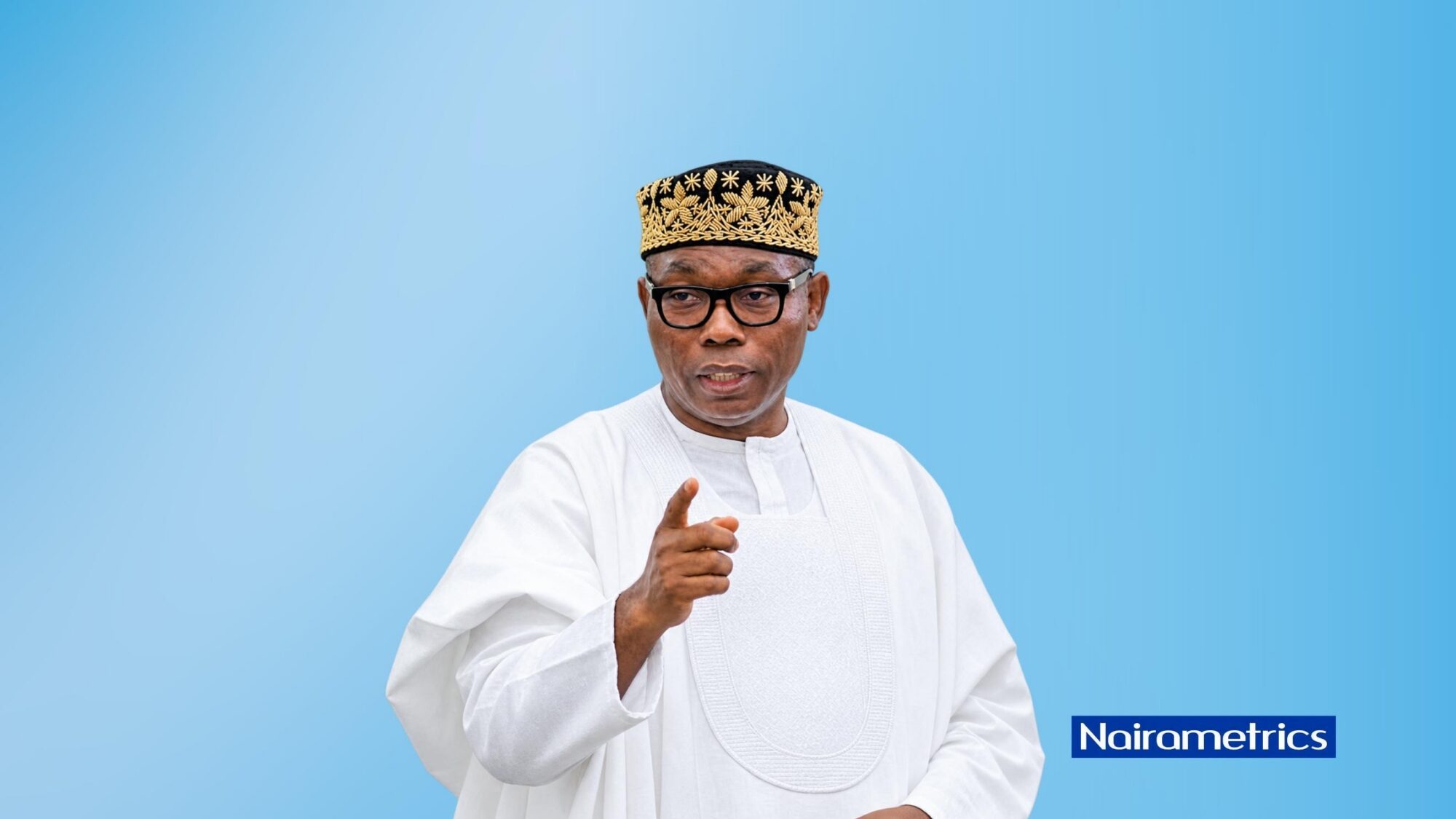
Detailed Profiles of the 10 Youngest Presidential Candidates
The ten youngest contenders on the final INEC list offer a fascinating cross-section of political ambition, ideological positioning, and professional competence. Ranked in descending order from oldest to youngest, they are:
10. Omoyele Sowore (55 Years Old – African Action Congress, AAC)
A prominent human rights activist, journalist, and publisher, Omoyele Sowore is no stranger to presidential politics, returning for his third consecutive election cycle after contesting in 2019 and 2023. Emerging as the AAC consensus candidate at a primary in Abuja in May 2026, Sowore subsequently stepped down as the party’s national chairman to focus entirely on his campaign. Known for his fierce anti-corruption stance, Sowore campaigns on a platform of systemic institutional overhaul, poverty alleviation, and youth empowerment. INEC records his educational qualifications as holding a master’s degree. He runs alongside his vice-presidential candidate, 49-year-old Magashi Haruna Garba.
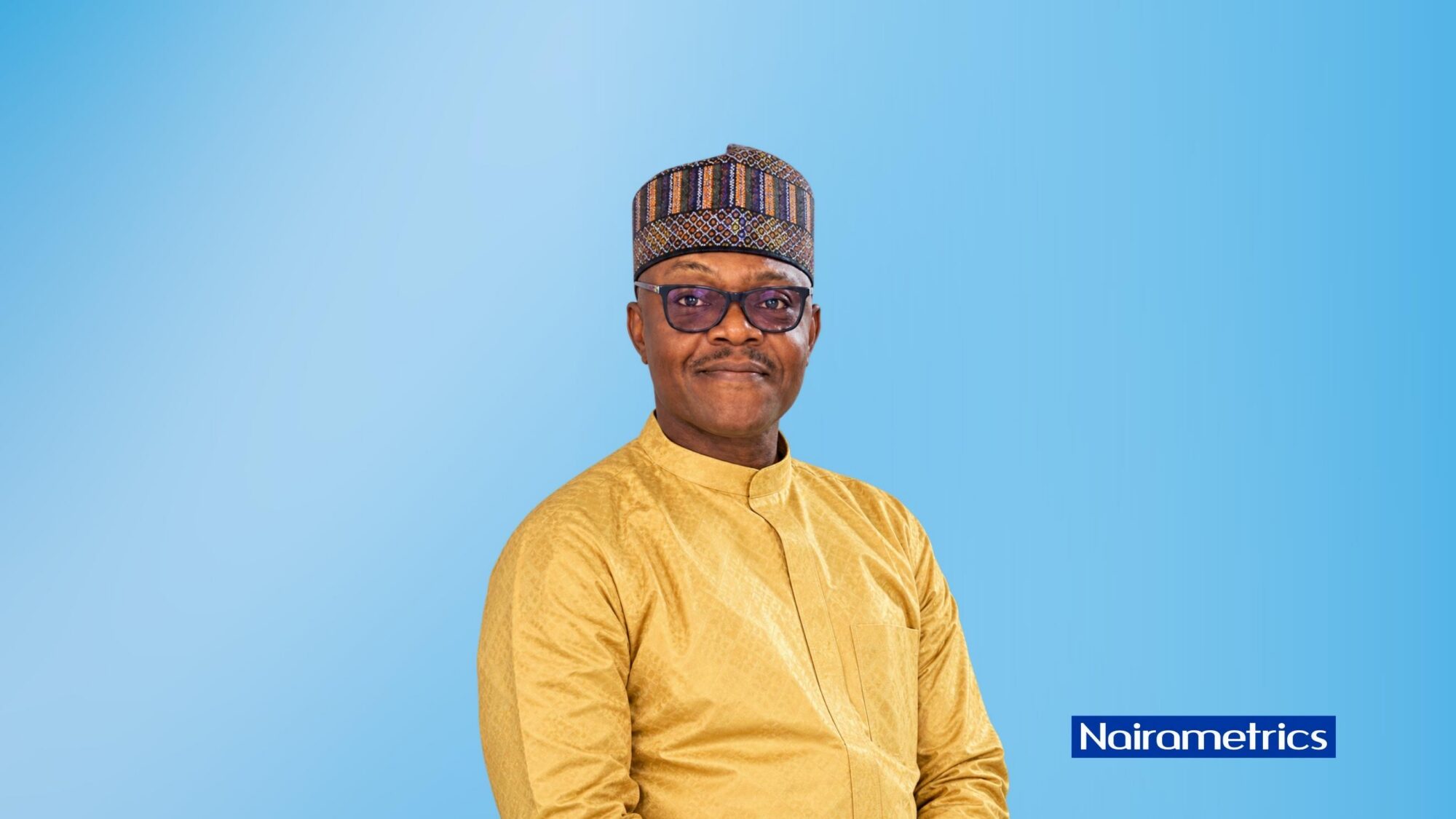
9. Adewole Ebenezer Adebayo (54 Years Old – Social Democratic Party, SDP)
Adewole Ebenezer Adebayo, a lawyer, entrepreneur, and political activist, returns as the flagbearer of the Social Democratic Party (SDP) after previously representing the party in the 2023 elections. Adebayo secured his ticket via consensus at the SDP convention in Bauchi in May 2026. His campaign emphasizes economic reform, food security, and infrastructural development, anchored by a detailed four-year governance agenda covering health, education, and digital access. He holds a Bachelor of Laws (LL.B) degree.
8. Peter Ada Agada (54 Years Old – Young Progressives Party, YPP)
Representing the Young Progressives Party (YPP), Peter Ada Agada brings a corporate and academic background to the race. Although less nationally prominent than some of his peers, Agada utilizes the YPP platform to challenge the dominance of the major ruling and opposition parties. His academic credentials include a Bachelor of Science degree and a Master of Business Administration (MBA). He is paired on the ticket with prominent running mate Patience Ndidi Key.
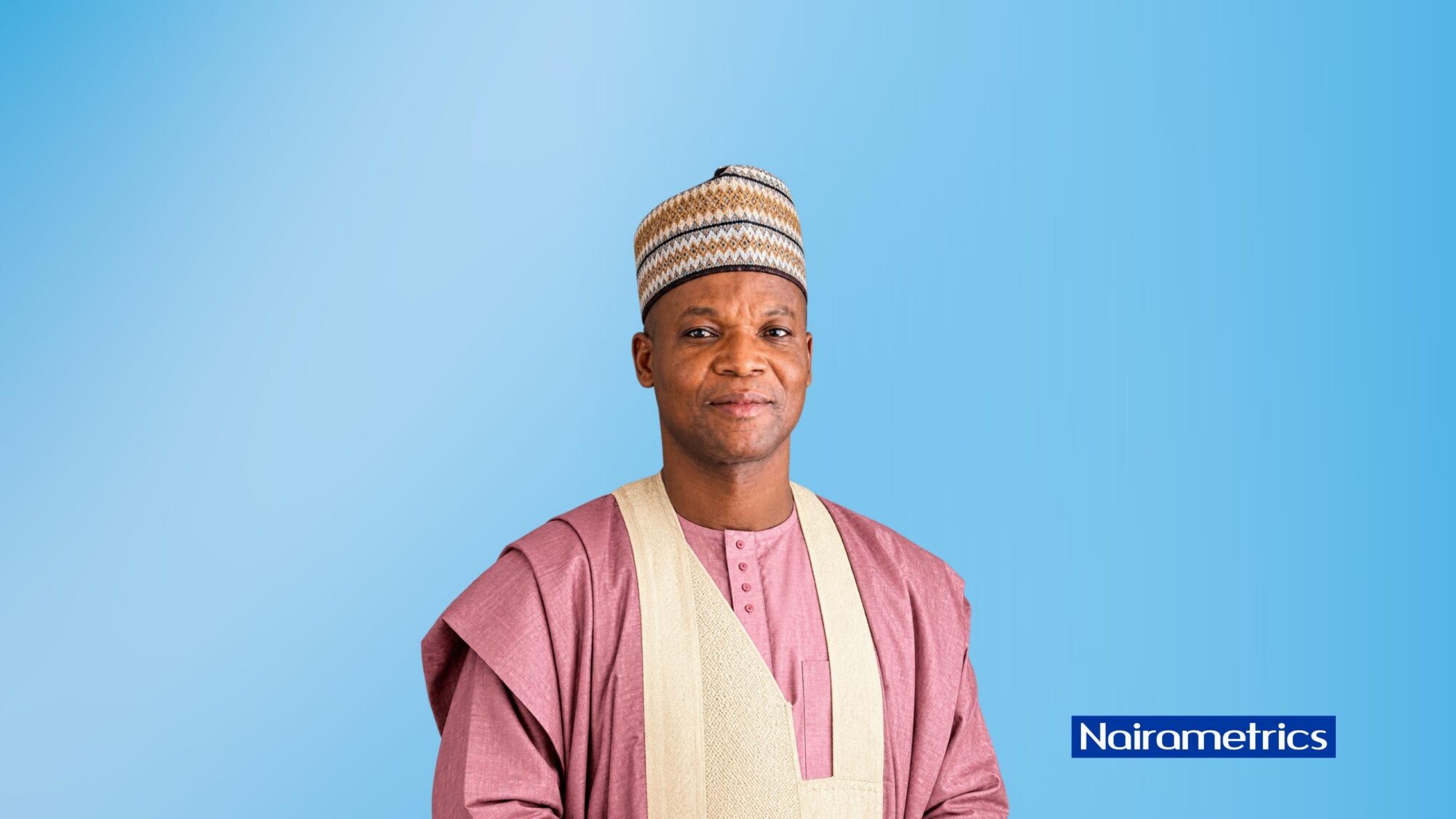
7. Yusuf Kabiru (54 Years Old – Action Peoples Party, APP)
Yusuf Kabiru flies the flag for the Action Peoples Party (APP), positioning himself as a grassroots voice within the younger half of the presidential field. Kabiru’s policy messaging targets economic inclusion and administrative transparency. According to INEC records, his educational background includes a National Diploma alongside his secondary schooling certificates. He is running alongside vice-presidential candidate Peace Egobia Ofordile.
6. Sunday Adenuga (52 Years Old – Boot Party)
As both the national chairman and presidential candidate of the Boot Party, Sunday Adenuga ran unopposed during his party’s primary in May 2026. Adenuga’s platform centers heavily on transforming Nigeria’s agricultural sector, expanding rural infrastructure, and addressing skyrocketing living costs. Holding a master’s degree, Adenuga is joined on the ticket by 40-year-old running mate Mustapha Usman Turaki.
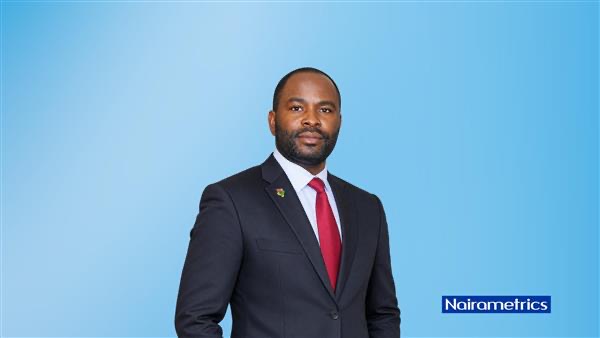
5. Ada Elizabeth Frederick Okwori (48 Years Old – National Democratic Party, NDP)
Ada Elizabeth Frederick Okwori is one of only two female presidential candidates on the 2026/2027 INEC ballot. As the founder and chief promoter of the NDP, Okwori fought a successful legal battle that led to the party’s formal registration by INEC in March 2026. An accountant by training with a Higher National Diploma (HND), Okwori’s candidacy provides a vital gender perspective to the election. She is contesting alongside running mate Chukwuemeka Uchenna Anthony.
4. Abbas-Bin Aliyu (44 Years Old – Action Democratic Party, ADP)
At 44, Abbas-Bin Aliyu is among the youngest male candidates on the national ballot. A former political aide, Aliyu secured the Action Democratic Party (ADP) ticket to champion a reform-minded agenda aimed at modernizing public service delivery and engaging Nigeria’s massive youth demographic. He holds a Bachelor of Science degree and runs alongside vice-presidential candidate Ike Chinazam.
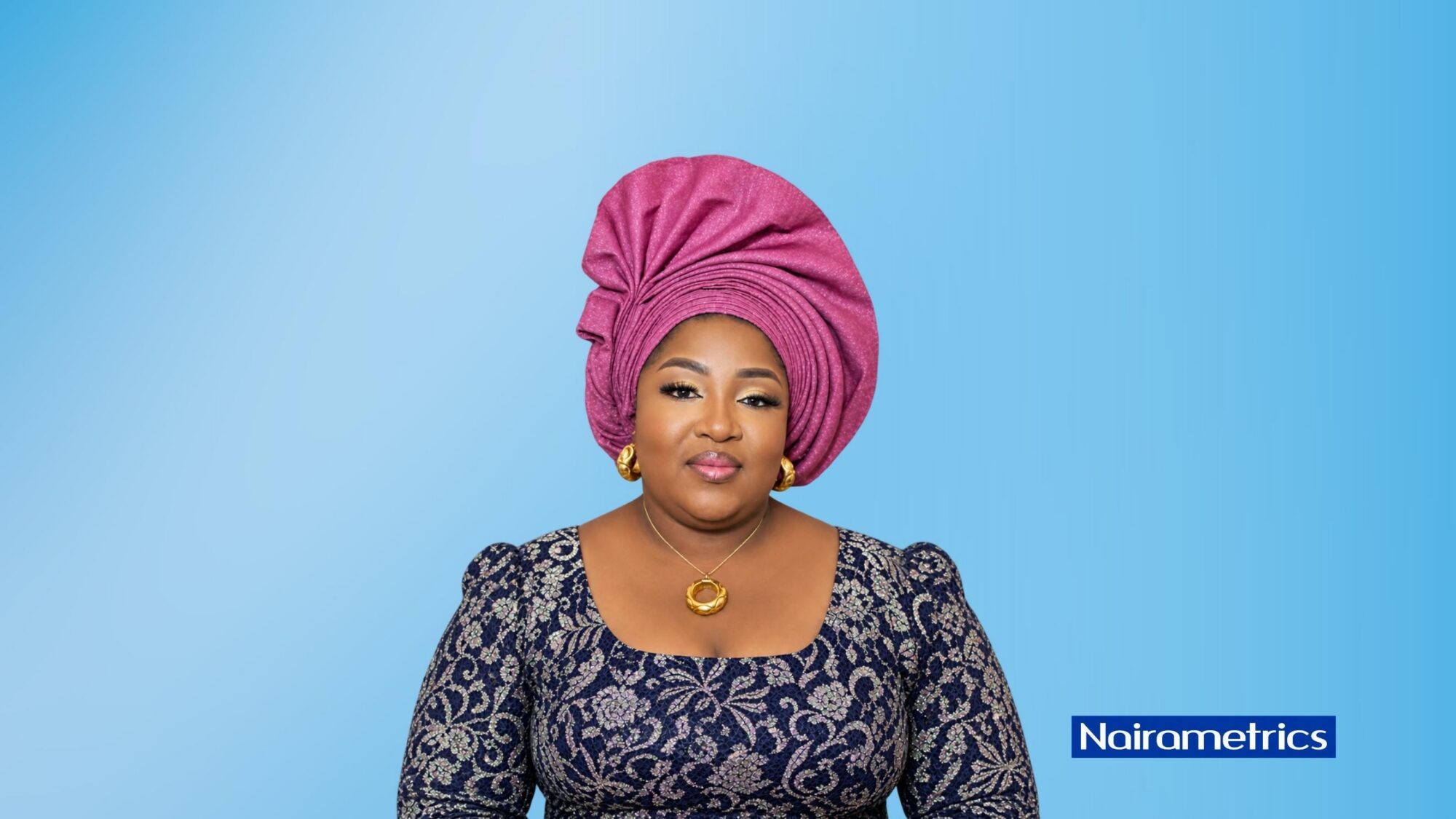
3. Dr. Nkem Esther Okereke (43 Years Old – National Rescue Movement, NRM)
Dr. Nkem Esther Okereke represents the National Rescue Movement (NRM) as one of the twin female trailblazers in the presidential race. Emerging victorious at the party’s May 2026 convention in Abuja, Okereke’s campaign is framed as a "national rescue mission." She holds an impressive array of academic qualifications, including a Bachelor of Science, a Master of Science, and a Doctor of Philosophy (PhD). Notably, she shares her ticket with one of the youngest running mates in the race, 35-year-old Sulaiman Nasir Muhammed.
2. Sunday Chibuizu Okereke (43 Years Old – Labour Party, LP)
Dr. Sunday Chibuizu Okereke brings extensive technical expertise to the Labour Party (LP) ticket as a medical doctor and public health expert. His background marks a departure from traditional political profiles, offering voters a candidate deeply versed in health systems and public administration. His academic dossier features an undergraduate degree alongside multiple master’s degrees with distinction and a PhD. He is paired with running mate Hajja Bintu Konto.
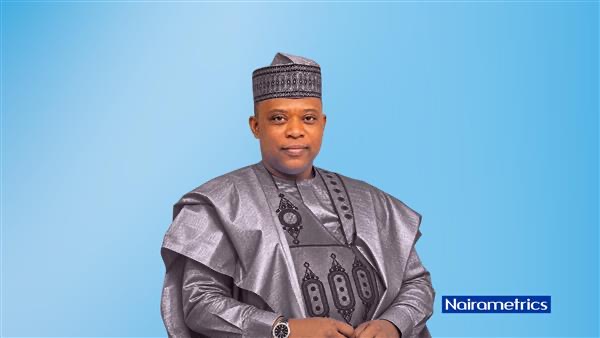
1. Moses Olusoji Adebisi (35 Years Old – Democratic Liberty Alliance, DLA)
At just 35 years old, Moses Olusoji Adebisi of the Democratic Liberty Alliance (DLA) holds the distinction of being the youngest presidential candidate on the 2027 ballot. He is the sole contender below the age of 40, creating a stark generational contrast with veterans approaching their late seventies. Adebisi’s candidacy symbolizes the ultimate test of the "Not Too Young to Run" advocacy movement, proving that younger Nigerians are willing to bypass traditional stepping stones to aim directly for the presidency. He runs alongside 35-year-old running mate Nafisat Usaku Abubakar, holding a Bachelor of Science degree.
Implications and Broader Analysis
The presence of these ten younger contenders on the 2027 ballot carries several important implications for Nigeria’s political evolution:

- Ideological Shifts: While statistical probabilities favor the major legacy parties due to war chests and expansive party structures, the presence of reform-minded younger candidates forces mainstream parties to address pressing contemporary issues such as digital governance, youth unemployment, and institutional restructuring.
- Broadening Participation: The legal victories secured by smaller parties ahead of 2027 demonstrate the judiciary’s role in safeguarding multi-party democracy, ensuring that alternative voices are not disenfranchised by administrative gatekeeping.
- Future Political Capital: Even if smaller parties fail to secure the presidency in January 2027, strong showings by younger figures can build sustainable political capital, establishing brand recognition and legislative footprints for future local and national elections.
Ultimately, while the presidency remains a fiercely guarded arena dominated by veteran political gladiators, the inclusion of these ten dynamic individuals ensures that the 2027 general election will be characterized by robust debates regarding the future leadership trajectory of Africa’s most populous nation.