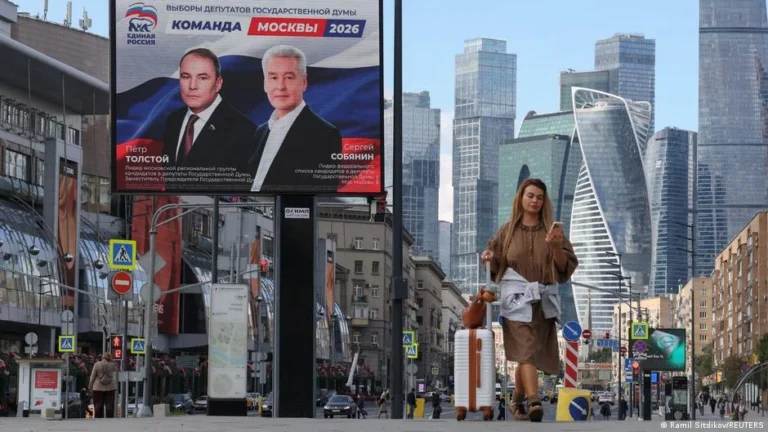
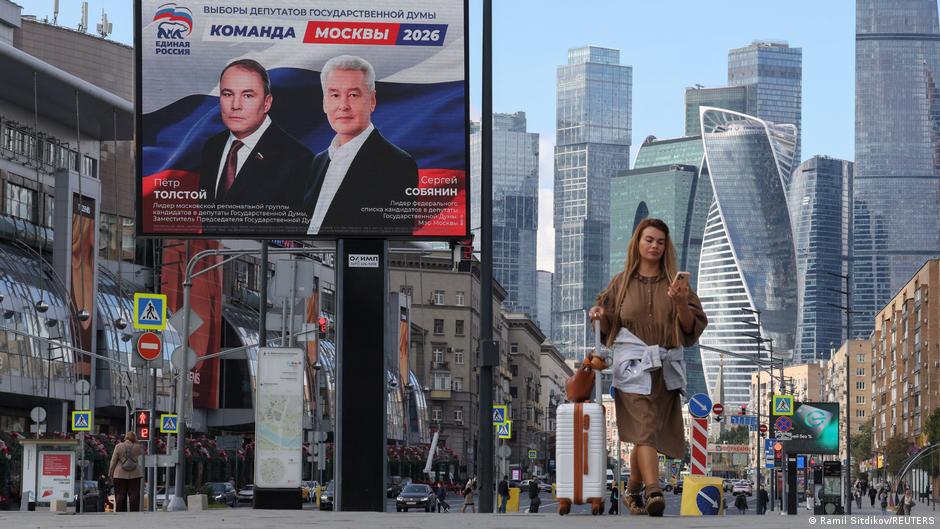
As Russia approaches its first parliamentary elections since the onset of the full-scale invasion of Ukraine, a palpable sense of unease has permeated the domestic landscape. State pollsters and independent researchers alike have identified a significant shift in the national mood, moving from the initial "rally-round-the-flag" sentiment of 2022 to a more profound, pervasive anxiety driven by economic instability, the normalization of conflict, and the constant, underlying fear of further military mobilization. With the State Duma elections scheduled for September 18–20, the Kremlin faces a delicate balancing act: maintaining a facade of overwhelming national unity while navigating a citizenry increasingly burdened by the human and financial costs of the war.
The Anatomy of Public Discontent
Sociological data indicates that the "silent majority" in Russia is beginning to undergo a quiet transformation. According to findings from the independent pollster ExtremeScan, roughly 60% of Russians now acknowledge that the ongoing war has had direct, detrimental effects on their daily lives. This shift is not merely ideological; it is pragmatic. Rising inflation, driven by massive military spending, has eroded purchasing power, while infrastructure strain—exacerbated by Ukrainian drone strikes on oil refineries—has led to localized fuel shortages and logistical disruptions.
Margarita Zavadskaya, a senior research fellow at the Finnish Institute of International Affairs, suggests that the primary driver of this anxiety is a total loss of predictability. "When citizens cannot plan for the next six months because they fear a new wave of mobilization or further internet crackdowns, the state’s social contract begins to fray," Zavadskaya noted. This sentiment is echoed by Elena Koneva, founder of ExtremeScan, who observes that the discourse among ordinary families has shifted toward a cost-benefit analysis of the war. The central question has become: "How much does this war cost me, and am I willing to continue paying this price?"
Chronology of the Conflict and the Election Cycle
The 2026 parliamentary election cycle takes place against a backdrop of nearly five years of continuous warfare. To understand the current climate, it is essential to look at the timeline of the Russian state’s consolidation of power since the invasion began in February 2022:
- February 2022: Russia launches its full-scale invasion of Ukraine; the government enacts strict censorship laws, effectively criminalizing anti-war dissent.
- September 2022: A "partial mobilization" decree is issued, triggering mass outward migration and significant domestic unrest.
- March 2024: Vladimir Putin secures another presidential term in an election cycle widely criticized by international observers for lacking genuine competition.
- Early 2026: Persistent rumors of a secondary mobilization drive emerge, causing a spike in citizens choosing to leave the country.
- August 2026: The liberal Yabloko party, the only registered political organization explicitly opposing the war, is barred from the upcoming parliamentary ballot by court order.
- September 18–20, 2026: The State Duma elections occur.
The Paradox of Participation in an Authoritarian System
In Russia’s current political framework, the State Duma serves less as a legislative body and more as an instrument of executive ratification. However, the Kremlin views these elections as a crucial barometer of legitimacy. By securing a high turnout and a resounding victory for the ruling United Russia party—which has centered its campaign on the concept of "victory" and features military veterans on its candidate lists—the Kremlin intends to demonstrate to both domestic and international audiences that the population remains firmly behind the war effort.
Yet, this strategy faces internal resistance. Opposition figures, including those in exile like Ilya Yashin and the team surrounding the late Alexei Navalny, have proposed various tactics for the electorate. While Yabloko has encouraged the spoiling of ballots as a form of protest, others, including Yulia Navalnaya, are pushing for voters to back any candidate other than those from United Russia. Yashin, however, emphasizes the symbolic power of the "Noon at the Polls" movement. He argues that the simple act of appearing at polling stations at a specific time is a low-risk, high-visibility way to express silent dissent, turning the act of voting into a demonstration of the anti-war movement’s scale.
Supporting Data and Statistical Context
The disconnect between the Kremlin’s narrative and the public’s reality is increasingly visible in polling data. While the Levada Center reports that six in 10 Russians favor peace negotiations with Ukraine, the state-controlled media apparatus continues to prioritize the rhetoric of an existential struggle. The sudden emergence of Kremlin hints regarding potential peace talks in October is viewed by analysts as a strategic "calming" measure, designed to lower voter anxiety just enough to ensure a smooth election process.

Furthermore, the rise in popularity of the now-banned Yabloko party serves as a significant data point. Prior to being disqualified, the party’s support base had surged among younger, urban demographics. ExtremeScan data suggests that as much as 18% of the electorate might have cast a vote for the party had it remained on the ballot. The state’s decision to disqualify Yabloko reflects an admission that the anti-war sentiment is not merely a fringe concern but a substantial, quantifiable political force that the administration deems too dangerous to be measured through a free ballot.
Broader Implications and Future Outlook
The outcome of these elections will have profound implications for the duration of the conflict in Ukraine. A "landslide" victory for the pro-war United Russia party will likely be interpreted by the Kremlin as a mandate to continue the current trajectory of escalation. Conversely, if the turnout is low or if the state is forced to rely on blatant fabrication to ensure the desired results, the perception of the regime’s stability may weaken.
For the international community, the primary concern remains whether the Kremlin will use the post-election period to initiate a new, larger mobilization. The fear among the Russian public—and the reason for the ongoing exodus of working-age men—is that the election is the last hurdle the state must clear before it feels politically safe to draft more soldiers.
Ultimately, the 2026 Duma elections represent a reality check. While they are unlikely to produce a change in government, they serve as a critical moment where the Russian state must confront the friction between its imperial ambitions and the exhaustion of its population. Whether the regime can successfully suppress the growing demand for peace, or whether that demand manifests in persistent, quiet, and symbolic defiance, will dictate the internal stability of Russia in the years to come. The "price" of the war is no longer an abstract concept for the Russian electorate; it is a daily calculation, and for many, the time to account for that price has arrived at the ballot box.