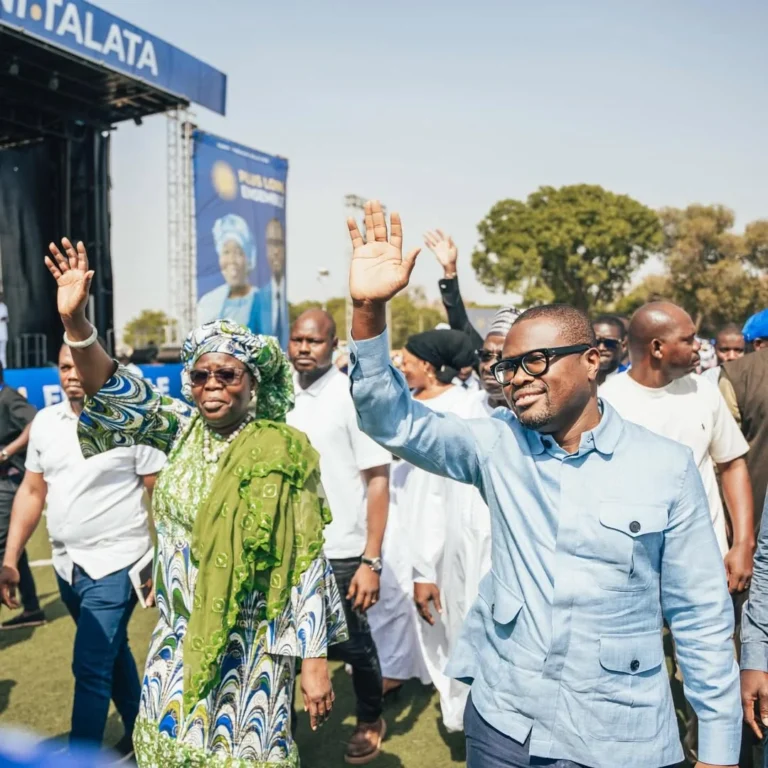
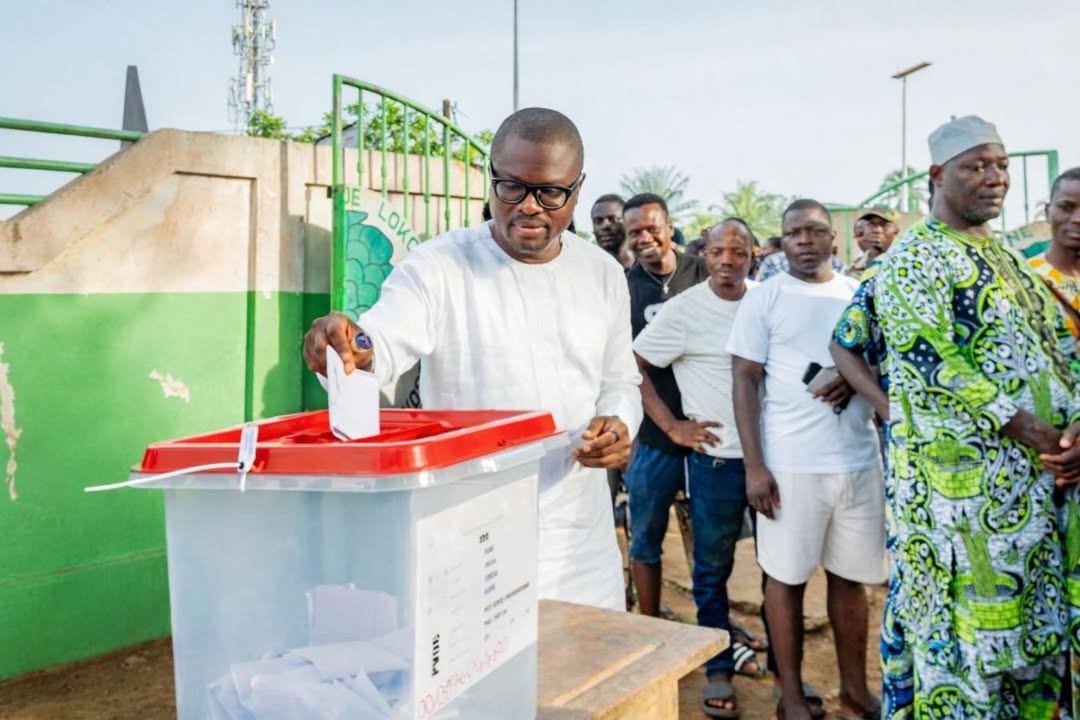
Benin has witnessed a decisive electoral outcome as Romuald Wadagni, the nation’s former Minister of Economy and Finance, has secured a resounding victory in the 2026 presidential election. Preliminary results, released by the Autonomous National Electoral Commission on April 13, 2026, indicate Wadagni garnered an overwhelming 94.05% of the vote, positioning him to succeed outgoing President Patrice Talon. The election, held on Sunday, April 12, 2026, saw a significant voter turnout of approximately 58.75%, with over 4.2 million ballots cast in favor of Wadagni’s ticket.
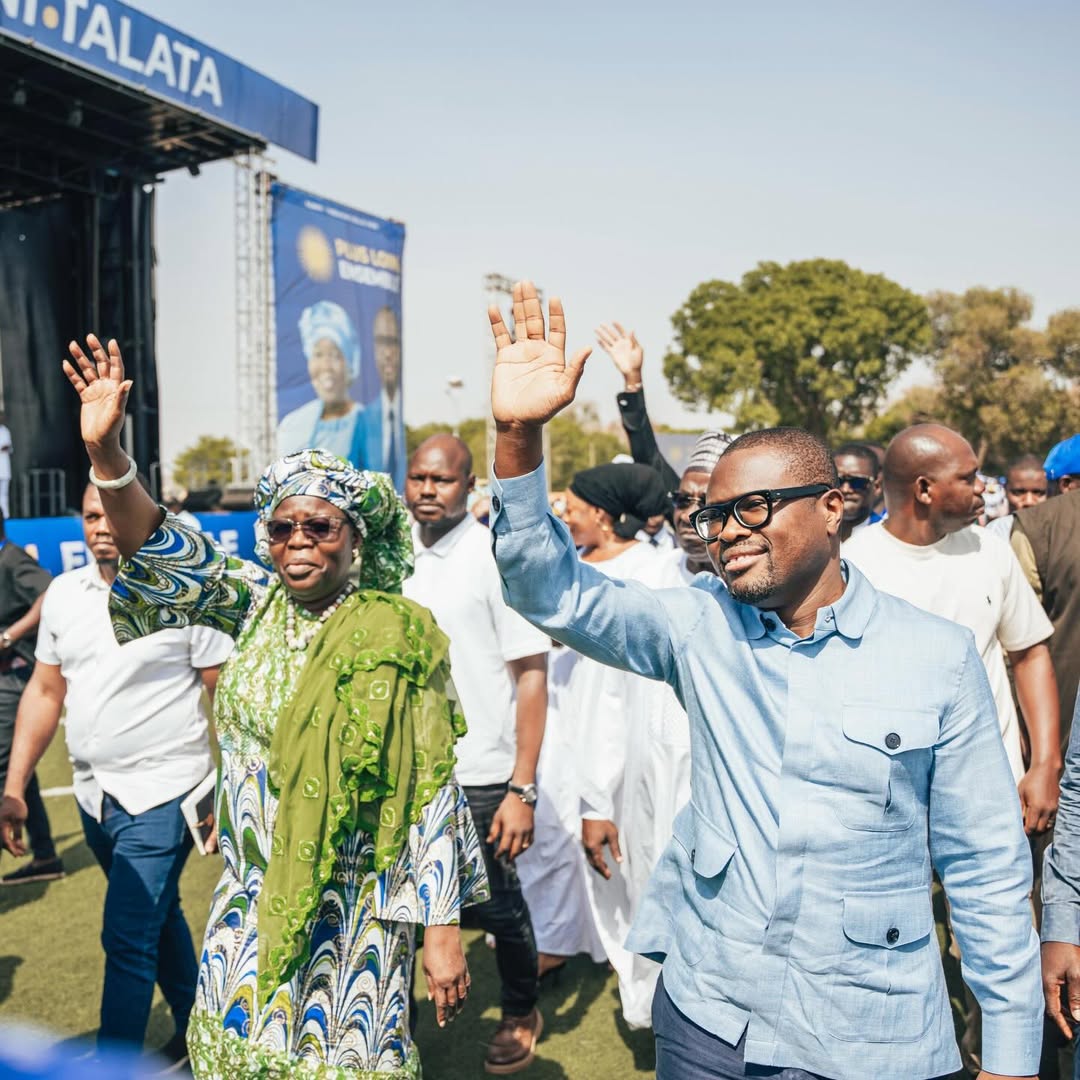
Wadagni, aged 49, ran as the candidate of the ruling coalition, a formidable alliance bolstered by the Progressive Union for Renewal (UPR) and the Republican Bloc (BR). His running mate, Mariam Chabi Talata Zimé Yerima, who is poised to continue as Vice-President if the results are officially certified by the Constitutional Court, also brings a legacy of historical significance. Talata, a former educator and philosopher, made history in 2021 as Benin’s first elected female Vice-President. Her continued presence on the ticket underscored a commitment to continuity and stability for the current administration.
The presidential race saw a clear challenger in Paul Hounkpè, representing the Cowry Forces for an Emerging Benin (FCBE). Hounkpè, a 56-year-old former Minister of Culture, secured 5.95% of the vote. Following the announcement of the preliminary figures, Hounkpè gracefully conceded defeat, extending his “republican congratulations” and issuing a call for national unity, a gesture that signals a peaceful transition of power.
A Mandate for Continuity and Economic Progress
Romuald Wadagni’s impressive victory is largely attributed to his extensive tenure as Minister of Economy and Finance, a role he held since April 2016. During his nearly decade-long stewardship, Wadagni was instrumental in steering Benin’s economic reform agenda and actively pursuing strategies to attract foreign investment. His academic background, with degrees from Harvard University and the University of Grenoble, has equipped him with a robust understanding of economic principles and international finance, which he leveraged throughout his campaign.

Wadagni’s platform centered on the core tenets of industrialization and economic continuity, promising to build upon the foundations laid during President Talon’s administration. He articulated a vision for a stronger, more diversified Beninese economy, emphasizing the importance of inclusive growth and sustainable development. His commitment to strengthening national security in the face of escalating regional insurgencies and expanding access to healthcare were also key pillars of his campaign promises.
Speaking to his supporters in the aftermath of the vote, Wadagni expressed his profound sense of honor and responsibility. He stated, "I had the honour of managing one of your most precious assets: your money. I intend to govern with the same seriousness and dedication." This statement directly links his past fiscal management to his future leadership, reassuring voters of his prudent approach to governance. He further elaborated on his commitment to continuing existing development programs while prioritizing an inclusive economic model that benefits all segments of society.
The Significance of Mariam Chabi Talata
The re-nomination of Mariam Chabi Talata as Wadagni’s running mate was a strategic move that resonated with voters seeking stability and experience. Her pioneering role as the first elected female Vice-President in Benin’s history is a testament to the nation’s progress in gender equality and political representation. Talata’s background as a teacher and philosopher brings a unique perspective to governance, focusing on education and societal well-being alongside economic development. Her continued presence signals a commitment to the policies and leadership style that have characterized the current administration, providing a sense of predictability and reassurance for the electorate.
Electoral Process and Turnout
The 2026 presidential election was conducted under the watchful eye of the Autonomous National Electoral Commission, tasked with ensuring a fair and transparent process. The reported turnout of 58.75% signifies a healthy level of civic engagement, with a substantial portion of the electorate participating in the democratic exercise. This turnout figure, coupled with the overwhelming support for Wadagni, suggests a strong consensus among the Beninese populace regarding the direction of the country.

The electoral process leading up to the vote involved extensive campaigning by the candidates, who presented their manifestos and engaged with voters across the nation. Wadagni and Talata, representing the ruling coalition, focused on highlighting their track record and outlining a clear path for future development. Hounkpè, while facing an uphill battle, presented an alternative vision for Benin, emphasizing his experience and commitment to national progress.
Background and Context of Benin’s Political Landscape
Benin, a West African nation with a population of over 13 million, has been navigating a period of significant political and economic reforms. The tenure of outgoing President Patrice Talon, who is stepping down after serving two constitutional terms, has been marked by efforts to modernize the economy, attract foreign investment, and combat corruption. Wadagni’s role as Minister of Economy and Finance during this period placed him at the forefront of these initiatives.
The country’s political landscape has seen shifts in recent years, with constitutional reforms and electoral laws evolving to shape the democratic process. The 2026 election was particularly significant as it marked the end of President Talon’s second term, necessitating the selection of a new leader to guide the nation. The strong mandate given to Wadagni suggests a public endorsement of the continuity he represents, coupled with a belief in his capacity to further economic development.
The Role of Political Parties
The victory of Romuald Wadagni is a testament to the organizational strength and strategic alliances of the ruling coalition, primarily the Progressive Union for Renewal (UPR) and the Republican Bloc (BR). These parties have played a pivotal role in consolidating support for Wadagni’s candidacy, mobilizing voters, and articulating a cohesive political message. Their success in delivering a landslide victory underscores their influence and effectiveness in the Beninese political arena.
The Cowry Forces for an Emerging Benin (FCBE), while falling short in the presidential race, remains a significant political force in Benin. Paul Hounkpè’s concession and call for unity are crucial in fostering a spirit of national reconciliation and encouraging continued constructive engagement from opposition parties in the democratic process.
Broader Impact and Implications
Romuald Wadagni’s decisive victory has several key implications for Benin and the wider West African region. Firstly, it signals a strong desire for continuity in economic policy and development strategies. Wadagni’s commitment to industrialization and inclusive growth is expected to shape the nation’s economic trajectory in the coming years. His focus on strengthening security in response to regional insurgencies is also a critical issue, given the prevailing security challenges in parts of the Sahel.
Secondly, the election outcome reinforces the importance of experienced leadership and a proven track record. Wadagni’s extensive experience as a finance minister positions him to tackle complex economic issues and attract the necessary investments to fuel development. His ability to maintain a strong working relationship with international financial institutions and development partners will be crucial in securing the resources needed for his ambitious plans.
Thirdly, the continued presence of Mariam Chabi Talata as Vice-President underscores Benin’s commitment to gender equality and inclusive governance. Her historical role as the first female Vice-President is likely to inspire future generations of women to participate actively in politics and leadership.
The peaceful and transparent conduct of the election, as indicated by the preliminary results and the swift concession of the defeated candidate, is a positive development for Benin’s democratic institutions. This adherence to democratic principles is vital for maintaining political stability and fostering investor confidence.
Future Outlook and Challenges
As Romuald Wadagni prepares to assume the presidency, he will face a number of challenges. These include managing public expectations, addressing regional security threats, and ensuring that economic growth translates into tangible benefits for all Beninese citizens. His administration will need to navigate the complexities of international relations, maintain fiscal discipline, and implement policies that promote sustainable development and social equity.
The Constitutional Court’s final certification of the election results is the next formal step in the transition of power. Following this, Wadagni is expected to be inaugurated, marking a new chapter in Benin’s political history. His presidency will be closely watched, both domestically and internationally, as he seeks to build upon the progress achieved under his predecessor and lead Benin towards a future of prosperity and stability. The overwhelming mandate he has received provides him with a strong foundation to implement his agenda, but the true measure of his success will lie in his ability to deliver on his promises and address the evolving needs of the Beninese people.