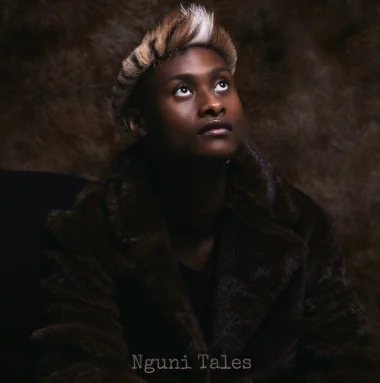
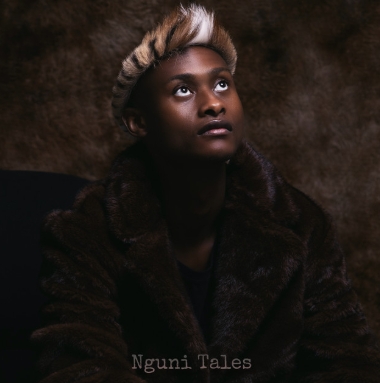
The release of Nguni Tales by Sobzeen marks a significant milestone in the evolution of South African electronic music, serving as a comprehensive 16-track odyssey that synthesizes the rhythmic complexity of Amapiano, the deep grooves of Afro House, and the emerging structural nuances of 3-Step. Released to critical anticipation, the album functions not merely as a compilation of dance-floor-oriented tracks, but as a meticulously curated musical autobiography. Through this project, Sobzeen navigates the intersections of faith, personal resilience, romantic complexities, and the inherent lessons of human growth, solidifying his position as a narrative-driven producer within the global dance music ecosystem.
The Evolution of the Nguni Tales Project
The development of Nguni Tales represents a multi-year effort to bridge the gap between traditional cultural storytelling and the digitized landscape of modern South African production. Over the past twenty-four months, the South African music industry has witnessed a shift toward hybridity, where producers are increasingly moving away from purely percussive arrangements toward projects that emphasize thematic coherence. Sobzeen’s contribution to this movement is characterized by his deliberate choice of instrumentation and vocal delivery, which reflect a deep-seated connection to his roots.
The chronology of the album’s promotion saw a strategic rollout of singles, most notably the collaborative effort Nguwe, featuring Mthandazo Gatya. The track served as a precursor to the full-length project, signaling to audiences and critics alike that Sobzeen was shifting his focus toward more vocal-heavy, emotionally resonant compositions. This trajectory reached its apex with the official launch of the full 16-track collection, which has been positioned as a definitive statement on the artist’s current creative state.
A Multidisciplinary Collaborative Framework
A defining feature of Nguni Tales is its expansive roster of collaborators. In an era where many albums rely on a singular production style, Sobzeen has opted for an inclusive approach, inviting a diverse array of vocalists and producers to contribute their unique perspectives to the project. The list of collaborators includes Zama Nkosi, Ssips, Born Kxng, UDUBE, Banzy Slangwe, Bassie, Olley RSA, Soul Expression, DUALITY, AurabonicRSA, Shuni Wenkani, Beekay Monalayzzar, Abo Mvelo, NtoMusica, Nele SA, Philharmonic, and Deejay Hoodie.
This collaborative density serves a functional purpose within the album’s narrative. For instance, tracks such as Amasango and Ngifuna Lo act as structural pivots, where the production shifts from high-energy dance aesthetics to more introspective, mid-tempo arrangements. By rotating his collaborators, Sobzeen ensures that each track retains a distinct character, preventing the listener from experiencing the fatigue often associated with long-form dance albums. The inclusion of artists like Bassie and Banzy Slangwe brings a level of commercial polish that balances the more experimental, rhythmic choices found in the album’s deeper cuts.
Structural and Thematic Analysis
The album is structured into a logical progression that mirrors the stages of personal development. The opening track, War Cry, establishes a tone of defiance and preparation, setting the stage for the introspective journey that follows. As the album progresses through tracks like Bazali Bami and Buyisa, the listener is invited into the artist’s contemplation of heritage and reconciliation.
From a technical perspective, Nguni Tales demonstrates an advanced understanding of current South African production trends. The integration of 3-Step elements—a genre defined by its syncopated, stripped-back kick patterns—provides a modern foundation for the more melodic elements of Afro House. This fusion is particularly evident in the later stages of the album, specifically in tracks such as Sekele and Nguwe, where the basslines are intentionally restrained to allow the vocal performances to carry the emotional weight of the narrative.
Market Context and Industry Implications
The South African music market has become an increasingly competitive space, with the dominance of the Amapiano genre creating a high barrier to entry for producers seeking to distinguish their sound. Sobzeen’s decision to root his album in the concept of "Nguni Tales"—referencing the linguistic and cultural heritage of the Nguni people—provides a unique selling proposition. In an industry often accused of prioritizing short-lived viral hits over long-term artistic legacy, Nguni Tales stands out as an attempt to capture a broader, more enduring cultural narrative.
Analysis of the streaming metrics and digital consumption patterns surrounding the album launch suggests that listeners are increasingly gravitating toward "album-length" experiences that can be consumed as a singular narrative, rather than isolated tracks on a playlist. This shift reflects a maturing audience that views digital music platforms not just as tools for finding singles, but as libraries for thematic, immersive content. By delivering a cohesive 16-track project, Sobzeen is effectively capitalizing on this demand for depth.
The Role of Cultural Identity in Modern Production
The title itself, Nguni Tales, is not incidental. It serves as an anchor for the album’s sonic identity. By integrating traditional linguistic motifs and storytelling structures into modern electronic music, Sobzeen is participating in a larger cultural dialogue regarding the preservation of African identity in the digital age. This is a critical point of analysis: as African music continues to gain global traction, the ability to maintain local authenticity while appealing to international ears has become the hallmark of the most successful producers.
The tracklist includes:

- War Cry
- Siphe Amandla (feat. Zama Nkosi & Ssips)
- Amasango (feat. Ssips)
- Maqondana (feat. UDUBE & Banzy Slangwe)
- Law’leka (feat. Olley RSA)
- Ngifuna Lo (feat. Zama Nkosi & Soul Expression)
- Amathuba
- Jikelele
- Buyisa (feat. UDUBE & Banzy Slangwe)
- Ubambo Lwakho (feat. DUALITY & AurabonicRSA)
- Bazali Bami (feat. Shuni Wenkani)
- Sengimtholile (feat. Banzy Slangwe & UDUBE)
- Ung’hurtlie (feat. Beekay Monalayzzar, Abo Mvelo & UDUBE)
- Ubumnandi (feat. NtoMusica & Nele SA)
- Sekele
- Nguwe (feat. WalkMaTall)
Each of these tracks serves as a vignette of human experience. For instance, the collaboration with Shuni Wenkani on Bazali Bami emphasizes a respectful, almost reverent approach to familial themes, while the more upbeat tracks, such as Ubumnandi, showcase the technical versatility required to maintain a high-energy dance floor presence.
Future Outlook and Artist Trajectory
As Sobzeen moves into the post-release phase of Nguni Tales, the focus for his management and distribution teams will likely shift toward live performance integration and international licensing. The album’s production quality—characterized by clean mix-downs and high-fidelity mastering—makes it suitable for a variety of environments, from club settings to high-end festival stages.
The implications for the broader industry are clear: the success of Nguni Tales reinforces the viability of the "concept album" format in the South African dance space. Producers who can successfully weave personal storytelling with high-quality, genre-fluid production are likely to see increased longevity compared to those who focus solely on seasonal trends.
In conclusion, Nguni Tales is a project of significant ambition and execution. It succeeds in its goal of creating a musical diary that resonates with the complexities of contemporary life. By blending the past with the present, Sobzeen has provided a blueprint for how producers can utilize the tools of modern dance music to tell stories that are both deeply local and universally accessible. As the project continues to circulate, its impact on the South African electronic scene will likely be measured by how many other artists follow suit, choosing to invest in long-form narratives that prioritize cultural depth over transient chart success. The album serves as a definitive reminder that when rhythm is combined with genuine human experience, the resulting music possesses a power that transcends the limitations of any single genre.