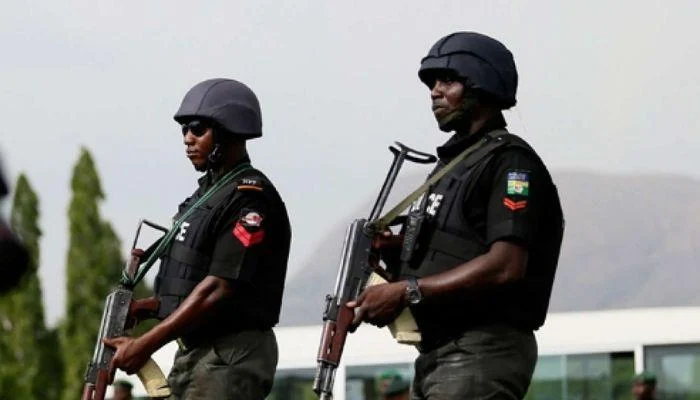
In a decisive counter-offensive against rising insecurity in northwestern Nigeria, police operatives stationed in the Tureta Local Government Area of Sokoto State have successfully neutralized several armed bandits during a fierce afternoon gunfight. The high-stakes operation, which unfolded on Sunday, also led to the immediate recovery of multiple operational motorcycles abandoned by fleeing members of the criminal syndicate. This tactical victory marks another significant milestone in the ongoing security architecture designed to dismantle bandit networks that have long plagued rural communities across Sokoto State.
According to preliminary reports emerging from the command, the operation was executed following credible intelligence regarding the movement of heavily armed criminal elements within the Tureta axis. Security forces intercepted the hoodlums, triggering an intense exchange of gunfire. While the exact death toll is still being compiled through official operational debriefings, police authorities have confirmed that multiple outlaws were neutralized during the engagement, severely disrupting their logistical capabilities.
Chronology of Sunday’s Engagement
The security operation began unfolding in the early hours of Sunday, culminating in the decisive afternoon clash. Intelligence assets deployed across the region had flagged abnormal movements of suspected bandit factions traversing remote corridors in Tureta Local Government Area. Known for utilizing motorcycles to execute rapid strikes, evade conventional security patrols, and retreat into dense forest enclaves, the syndicate attempted to navigate a vulnerable transit route when security forces sprang their ambush.
At approximately midday, the tactical police unit engaged the armed men. Outgunned and overwhelmed by the precision and tactical superiority of the operatives, the bandits attempted to fight their way through the security cordon. Their resistance crumbled under heavy defensive and offensive fire, forcing the remaining combatants to scatter into the surrounding terrain, abandoning crucial logistics—specifically their motorcycles—behind.
By late afternoon, the area had been secured, and combing operations commenced to sweep the vicinity for hidden threats, arms, and injured suspects. The recovery of the motorcycles is viewed by security analysts as a major tactical disruption, given that these two-wheeled vehicles serve as the primary mode of transportation and mobility for insurgent and bandit groups operating across Nigeria’s northwest.
Official Police Response and Verification
Confirming the incident to newsmen on Sunday evening, the Public Relations Officer of the Sokoto State Police Command, DSP Ahmed Rufai, stated that an operation indeed took place in Tureta, resulting in casualties among the criminal elements. However, he exercised cautious professionalism by noting that the command was still awaiting a comprehensive situation report from the field before releasing definitive figures.
"Yes, the operation happened, but we are yet to get the full details," DSP Rufai stated during an official media briefing. He underscored the necessity of thorough verification, emphasizing that the command operates on verified field data rather than speculative casualty estimates.
"We cannot ascertain the number of casualties yet. We are still expecting the full situation report from the operatives on the ground," Rufai added, promising that a more detailed public update would be disseminated as soon as the tactical commanders finalized their post-operation assessment.
Despite the temporary gap in exhaustive metrics, the confirmation alone underscores the proactive posture adopted by the Sokoto State Police Command under the current leadership, shifting from a reactive stance to aggressive pre-emptive strikes against criminal hideouts.
Background and Context of Banditry in Sokoto State
To fully grasp the significance of the Tureta operation, one must examine the broader socio-security landscape of Sokoto State and the wider Northwest geopolitical zone. Over the past decade, the region has transformed from a peaceful agrarian society into a primary theater of asymmetric warfare, driven by organized criminal networks colloquially referred to as bandits.
These criminal groups operate primarily out of sprawling, contiguous forest reserves—such as the dreaded Rugu and Sububu forests—which stretch across Sokoto, Zamfara, Katsina, and Kaduna states. Shielded by difficult terrain and porous international boundaries, these syndicates engage in a lucrative enterprise of cattle rustling, targeted kidnapping for ransom, village raids, and the imposition of illegal levies on farming communities.
Tureta Local Government Area, situated in the southern senatorial district of Sokoto State, shares proximity with notoriously volatile flashpoints in neighboring Zamfara State. Because of this geographic vulnerability, Tureta has historically served as both a transit corridor and a soft target for marauding criminal gangs seeking to disrupt local commerce, loot food supplies, and abduct residents. In response, the Federal Government and the Sokoto State Government have continually reinforced security architectures in the area, deploying specialized police units, military task forces, and bolstering local vigilante frameworks to safeguard vulnerable populations.
Tactical Implications of Motorcycle Recovery
The tactical recovery of motorcycles during the Tureta engagement holds monumental weight in the theater of counter-banditry operations. In recent years, state governments across the Northwest—recognizing the tactical reliance of criminals on unrestricted mobility—have enacted strict legislation banning the sale and use of motorcycles in certain high-risk local government areas.
Bandits rely almost exclusively on motorcycles because four-wheel vehicles are largely impractical for navigating the narrow, bush paths and rugged topography of rural sanctuaries. A typical motorcycle allows a criminal gang to execute lightning-fast raids on isolated settlements, commit atrocities, and vanish into the wilderness before conventional military or police reinforcements can deploy.
By seizing these motorcycles, the Tureta police operatives have effectively clipped the wings of the fleeing suspects. Without their primary mode of transport, the surviving bandits are stranded, highly vulnerable to tracking operations, and forced to traverse hostile terrain on foot. This logistical deprivation significantly degrades their operational radius and curtails their ability to launch retaliatory or subsequent attacks in the immediate future.
Broader Socio-Economic Impact and Community Resilience
The success in Tureta resonates far beyond the immediate tactical victory; it serves as a critical morale booster for rural dwellers who bear the brunt of asymmetrical violence. For months, farming communities in Sokoto have faced profound anxieties regarding food security, as the constant threat of attacks has deterred farmers from accessing their agricultural lands.
Security analysts note that sustained operations of this nature are indispensable for restoring investor confidence, revitalizing local markets, and enabling displaced persons to return safely to their ancestral homes. When security forces demonstrate the capacity to successfully confront and neutralize criminal elements within their local domains, it curtails the psychological warfare waged by bandits through fear and intimidation.
Furthermore, the operation highlights the growing effectiveness of intelligence-led policing in rural environments. Historically, security forces struggled with response times due to the vast expanses of territory requiring coverage. However, improved synergy between local intelligence networks, tactical police squads, and community informants has increasingly enabled security agencies to intercept threats proactively rather than merely counting losses after an attack.
Future Outlook and Strategic Recommendations
As the Sokoto State Police Command prepares to release the final comprehensive situation report on the Tureta engagement, security experts emphasize the need for sustained momentum. Counter-insurgency and counter-banditry doctrines dictate that tactical successes must be immediately capitalized upon through follow-up aerial surveillance, intelligence exploitation of recovered items (including mobile phones and weaponry), and aggressive pursuit of fleeing remnants.
Moreover, the integration of community policing models remains a vital pillar. Local residents, who intimately understand the terrain and recognize unfamiliar faces within their vicinities, represent an invaluable intelligence asset. Strengthening trust between law enforcement agencies and grassroots populations ensures a continuous flow of actionable information, preventing criminal syndicates from regrouping or establishing new operational cells.
While the security challenges confronting northwestern Nigeria remain complex and deeply rooted in socio-economic vulnerabilities, the decisive action executed by police operatives in Tureta Local Government Area demonstrates that concerted tactical pressure can yield tangible results. As federal and state authorities continue to refine their multi-faceted approaches—balancing kinetic military and police operations with developmental interventions—incidents like the one in Tureta offer a clear testament to the resilience and growing capacity of Nigeria’s internal security apparatus to reclaim peace and order across the nation.