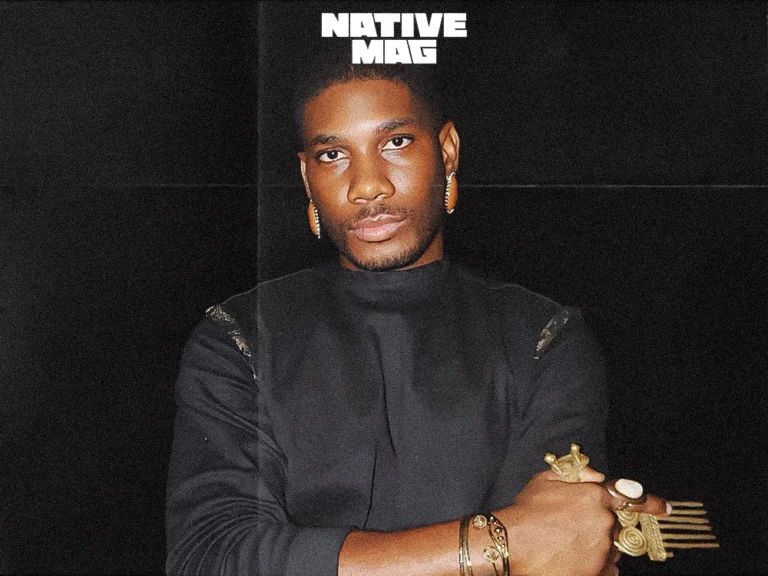
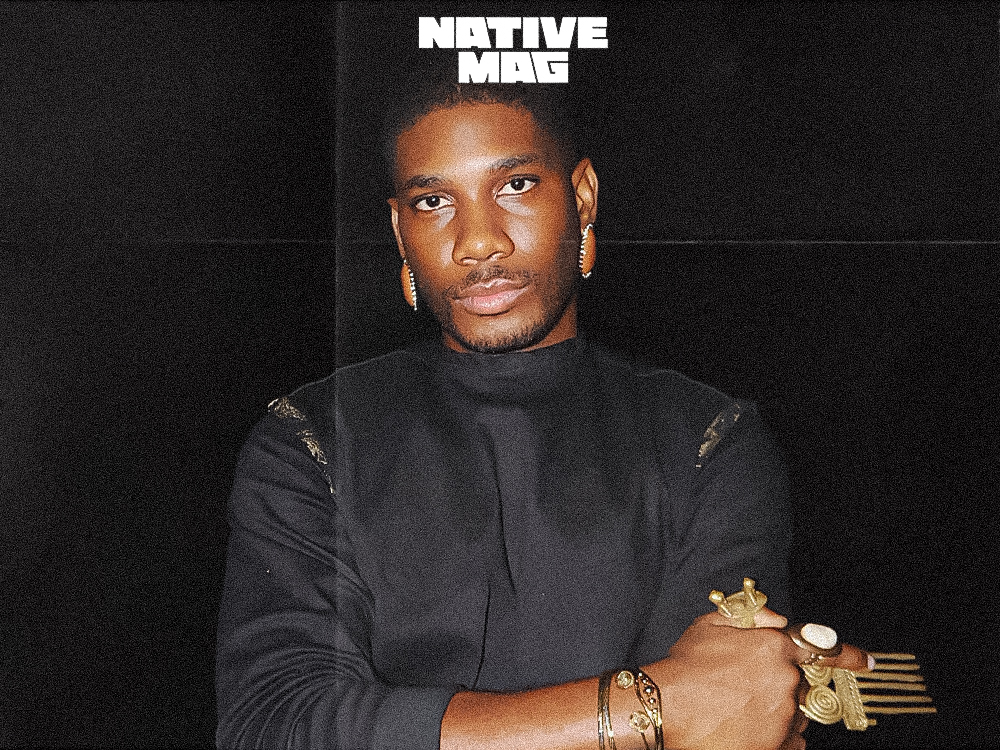
In the rapidly evolving landscape of contemporary African music, few artists have managed to synthesize the weight of ancestral heritage with the demands of modern sonic production as deliberately as the singer known as Orch. By carving out a niche he defines as "Afro-preference," Orch is not merely releasing music; he is spearheading a philosophical discourse on identity, challenging his listeners to reconcile their pre-colonial roots with the realities of a globalized existence. As he transitions from breakout successes like "Smiling" to his forthcoming single "Fete," the artist has emerged as a focal point for a generation of listeners seeking a return to a core identity that exists beneath the layers of external cultural imposition.
The emergence of Orch within the West African music scene is not an isolated phenomenon but rather a component of a larger cultural resurgence. Over the last decade, the global influence of Afrobeat—pioneered by icons like Fela Kuti—has provided a framework for African artists to export their culture. However, where many have focused on commercial hybridization to secure international airplay, Orch differentiates his approach by emphasizing the spiritual and historical continuity of the African experience. His creative methodology involves a blend of intuitive musicality and disciplined preparation, positioning himself not just as a vocalist, but as a custodian of a specific cultural lineage.
The Genesis of a Sound: Defining Afro-preference
The term "Afro-preference," as articulated by the artist, serves as the cornerstone of his public brand. In an era where cultural assimilation is often incentivized by international markets, Orch’s philosophy advocates for the prioritization of African heritage as the primary lens through which the world should be interpreted. This perspective is rooted in the belief that African identity is often perceived through a distorted external gaze—one that characterizes indigenous spiritual and cultural practices as "intimidating" or "evil." Orch posits that this perception is a byproduct of historical conditioning, and that by reclaiming these facets of heritage, the African youth can unlock an unparalleled creative and personal potential.
The musical manifestation of this philosophy draws heavily from the rhythmic complexity of Fela Kuti, while integrating the high-fidelity production standards of the 2020s. Orch acknowledges that his connection to the Afrobeat legend was solidified during live performances, where the raw, unscripted energy of his stage presence drew comparisons to Kuti’s iconic live shows. This validation prompted a deeper scholarly and artistic exploration of musical titans across genres—including Bob Marley, Bob Dylan, and Michael Jackson—leading Orch to conclude that authentic artistry transcends regional borders and speaks to a universal human spirit.
Chronology of a Rising Talent
Orch’s journey, while still in its nascent stages, has been defined by a series of deliberate creative milestones. Born in Nigeria and having established a significant presence in the Ghanaian music industry, the artist has utilized his mobility across West Africa to refine his storytelling. His recent international performance in Côte d’Ivoire marked a significant transition in his career, acting as a homecoming of sorts to the "land of the elephants"—a metaphor he frequently employs to describe the strength and stature he aims to embody within the industry.
The release of his track "Oyibo Instructions" served as a critical turning point, garnering attention for its overt commentary on mental decolonization. By utilizing the Oja—a traditional Igbo flute—within the arrangement, Orch provided a tangible sonic representation of the resistance to Western hegemony. This was followed by the success of "Wonder," a track that emerged from a period of personal introspection. The production process for "Wonder" highlights the collaborative nature of Orch’s work; while he entered the studio from a space of vulnerability and sadness, his production team successfully pivoted the track into an uplifting anthem, illustrating the artist’s ability to transmute personal hardship into collective celebration.
The viral success of "Smiling," particularly through his collaboration with the performance collective Parlour Tapes, further cemented his reputation. The session, which featured both indoor and riverfront settings, was designed to emphasize his identity as a "water child," a reference that carries deep spiritual significance in various West African cultures. This performance did more than just showcase his vocal range; it provided a visual context for his music, linking the sonic experience to the physical landscapes of the African continent.
The Socio-Cultural Implications of Artistic Branding
Orch’s decision to refer to his fanbase as "Mami Wata" and "Papa Wate" has sparked dialogue regarding the intersection of traditional spiritual concepts and modern entertainment. In many parts of West Africa, these terms are often associated with complex, and sometimes controversial, superstitions. Orch’s navigation of these cultural currents reflects a broader trend among younger African artists who are less concerned with avoiding "taboo" subjects and more interested in reclaiming the narrative surrounding them.
By stripping away the fear associated with these terms, the artist is essentially performing a form of cultural archaeology. He argues that nothing about these figures or the heritage they represent is inherently negative; rather, they are symbols of identity that have been misinterpreted by centuries of external influence. This approach is not without its risks, as it invites scrutiny from more conservative segments of the population. However, from a sociological standpoint, it marks a significant shift in how African artists engage with their audience: moving from passive entertainers to active participants in the redefinition of societal values.
Operational Discipline and Future Outlook
Beyond the studio, Orch maintains a rigid focus on the physical and professional demands of his career. His commitment to physical training—what he describes as preparing for the "next phase" of his journey—underscores a shift in the standard for African musical performers, who are increasingly expected to match their high-energy, complex stagecraft with physical endurance.
Looking forward to the release of "Fete," Orch aims to pivot the sonic and emotional tone of his discography. While his previous works have been characterized by deep introspection and cultural critique, "Fete" is intended to emphasize the celebratory and communal aspects of African life. This balancing act—the ability to oscillate between the profound and the celebratory—is central to his broader strategy. He insists that culture is not limited to intellectual or spiritual introspection; it also encompasses the joy, dance, and communal dining that define the daily lives of his audience.
Industry Impact and Analysis
From an industry perspective, Orch represents a specific segment of the "New African Wave." This movement is characterized by a high degree of agency; artists are increasingly taking control of their branding, refusing to accept the "secondary citizenship" to Western influence that characterized previous decades of African pop. Data-driven analysis of the current streaming landscape shows a clear preference for music that feels culturally "rooted." As global listeners become more sophisticated, the authenticity of the artist—the "core essence" that Orch frequently references—has become a marketable and highly valued asset.
The implications for the broader African music industry are significant. As artists like Orch continue to gain traction, the pressure on global music platforms to provide equitable access and fair representation for indigenous sounds increases. Furthermore, the success of the "Afro-preference" movement suggests that the future of African music lies in a return to the source. By prioritizing local nuance over global homogenization, artists are effectively creating a new standard of excellence that forces the rest of the world to catch up.
Conclusion: A Movement in the Making
Orch’s career serves as a case study in the power of deliberate cultural positioning. By grounding his art in the soil of his ancestors while maintaining an eye on contemporary global standards, he has created a framework that is both accessible and deeply profound. Whether through the mournful reflection of "Wonder" or the infectious energy of his forthcoming "Fete," the artist remains consistent in his message: the path forward for the African creator is found by looking inward.
As he continues to build his domain, Orch is not merely seeking commercial success; he is attempting to build a collective consciousness. His call for fans to join him in this movement is an invitation to participate in a larger cultural shift—one that views the African continent not as a periphery to global culture, but as a primary source of innovation, history, and artistic truth. As the release of his next project approaches, the industry will undoubtedly be watching to see how this self-described "elephant of the African landscape" continues to navigate the terrain he has so carefully mapped out for himself.