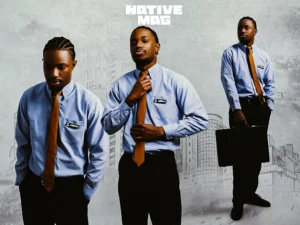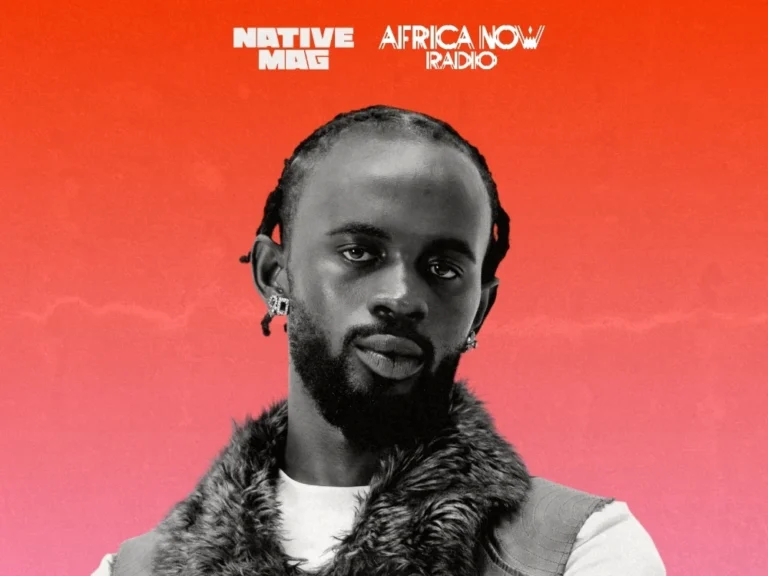
The release of Black Sherif’s latest project, Sun Sherif, marks a pivotal juncture in the career of one of West Africa’s most compelling musical voices. Comprising six tracks, the EP serves as both a retrospective of the artist’s early inspirations and a bold step into a new, liberated creative phase. Released in September 2026, the project departs from the high-pressure expectations often placed on artists who achieve rapid, global success, opting instead for a sound that is intentionally raw, experimental, and deeply reflective of the artist’s personal history.
The Chronology of a Meteoric Rise
To understand the significance of Sun Sherif, one must examine the rapid trajectory of Mohammed Ismail Sharrif, known professionally as Black Sherif. Emerging from the vibrant Ghanaian music scene, his rise was characterized by a rare combination of grit and melodic storytelling.
In 2021, the release of "First Sermon" and "Second Sermon" catapulted him into the national consciousness, establishing his signature style: a fusion of highlife, drill, and Afrobeats, anchored by visceral, often painful, lyricism. By his third year in the industry, Black Sherif had already collaborated with international titans such as Burna Boy and achieved number-one charting status in Ghana. This period was defined by intense pressure and high-stakes production, a stark contrast to the unencumbered nature of his current work.
The timeline of his ascent is notable for its velocity:
- 2021: Breakthrough with the "Sermon" series, establishing his dominance in the Ghanaian drill space.
- 2022: Release of his debut album, The Villain I Never Was, which cemented his status as a critical darling and commercial force.
- 2023-2024: Extensive international touring and collaborations, shifting his perspective as a global performer.
- 2026: Release of Sun Sherif, signaling a return to his core identity and a deliberate shedding of industry-imposed constraints.
Thematic Depth: Vulnerability as an Artistic Antidote
During a recent interview with Apple Music’s Africa Now Radio, Black Sherif described Sun Sherif as an "arrived version" of the music he originally intended to make at the inception of his career. For an artist who has spent the better part of three years under the scrutiny of public expectation, the EP represents an act of reclamation.
"I’ve been waiting my whole journey to make a tape like this, with this type of vulnerability, and this type of freeness," Black Sherif noted. He emphasized that the project is not merely a collection of songs, but an internal process that has affected his perspective as a human being. The vulnerability exhibited in the tracks is described by the artist as an "antidote"—a way to bypass the performance of success and connect with the raw honesty that defined his initial artistic impulses.

This shift in focus toward "harmony, peace, and good living" reflects a broader trend among contemporary African artists who are increasingly prioritizing mental well-being over the relentless cycle of content production. By choosing to embrace the "limitless air" of creative freedom, Black Sherif is positioning himself as an artist who values longevity and personal growth over the temporary gratification of chasing trends.
The Geography of Identity
Black Sherif’s music has always been deeply rooted in his personal geography. His identity is a composite of the cities that shaped him, a narrative thread that remains strong throughout Sun Sherif. He credits his artistic experimentalism to his experiences in Kumasi, Konongo, Tema, Accra, and his recent professional exposure to Lagos.
This multi-city influence allows his music to transcend regional boundaries. By representing himself with uncompromising honesty, he invites the listener to project their own meanings onto his work. This approach is highly effective in a streaming era where fans seek authenticity over manufactured personas. His ability to distill these disparate urban experiences into a cohesive, six-track narrative demonstrates a sophisticated understanding of his own brand and musical evolution.
Industry Implications and Market Analysis
The commercial and cultural implications of Sun Sherif are significant for the Ghanaian music industry. As the nation continues to solidify its position as a global hub for musical innovation, artists like Black Sherif serve as critical barometers for the industry’s health.
Data from music industry analysts suggests that audiences are shifting away from "genre-locked" content in favor of artists who demonstrate genuine creative evolution. By choosing to release a shorter, more concentrated project, Black Sherif is effectively utilizing the EP format to maintain high engagement without the risk of over-saturation.
Furthermore, his refusal to allow his success to dictate his creative process is a lesson in sustainable career management. In an industry where artists often succumb to the "number one" pressure, Black Sherif’s conscious effort to stay grounded in "the fascination that comes from the simple things" serves as a strategic move to preserve his creative longevity.
Technical Approach and Production Style
The production on Sun Sherif mirrors the thematic content: stripped-back, intentional, and fluid. Tracks like "Jolie" exemplify his shift toward an easier, more accessible delivery. This is not to say the music is simple, but rather that the barrier to entry for the listener is lower. He has stripped away the performative "toughness" often associated with his earlier drill-inspired records, opting for a style that feels more conversational and intimate.

This evolution is consistent with the global movement toward "Afro-fusion," where artists are blending traditional rhythms with experimental soundscapes. Black Sherif’s ability to remain at the forefront of this movement while simultaneously looking back to his roots is a testament to his versatility as a performer.
Future Trajectory: Beyond the Charts
When asked about the future, Black Sherif expresses a desire to move beyond the metrics of success that previously defined him. His focus is now on the experience of performance—the direct connection with an audience that sings his lyrics back to him—and the preservation of his personal peace.
"I am so aware that in my third year making music, I was ranking number one in my country," he reflected. "If I go in straight thinking like, ‘Hey, number one in the country,’ and start to try to play my cards as a number one, that kind of throws me off why I am making music."
This level of self-awareness is rare in the high-stakes world of popular music. It suggests that Sun Sherif is not just a seasonal project, but a foundation for the next chapter of his career. By prioritizing the "freeness" of his creative expression, he has successfully mitigated the risks of burnout and creative stagnation.
Conclusion: A Measured Evolution
Sun Sherif stands as a definitive statement from an artist who has nothing left to prove in terms of commercial viability and is now choosing to explore the depths of his own potential. For fans and critics alike, the project offers a glimpse into the mind of a musician who views himself as a "student" of the craft, constantly learning and re-learning what it means to create.
As Black Sherif continues to tour and promote the EP, the focus will undoubtedly remain on the contrast between his massive public persona and the intimate, vulnerable nature of his latest compositions. In a landscape often cluttered by noise, his commitment to his own frequency—defined by harmony, peace, and a genuine love for the art form—marks him as a singular figure in modern African music. The success of this EP will likely not be measured in the number of streams alone, but in the enduring influence it has on his peers and the way it sets the stage for his future endeavors.