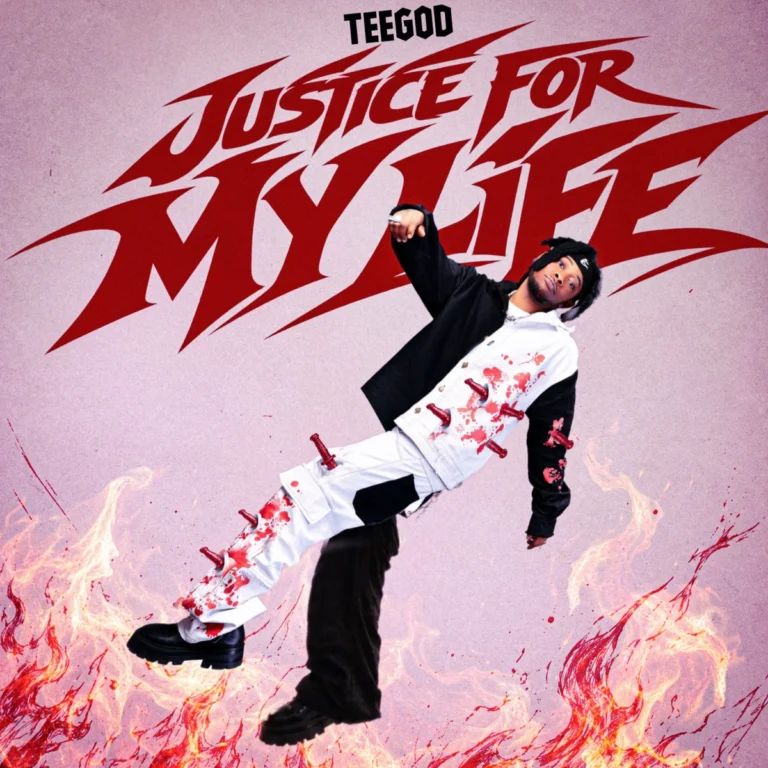
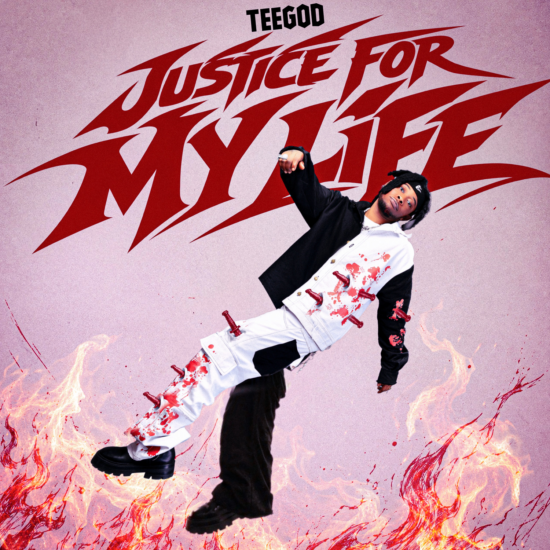
The Nigerian music landscape has long been characterized by a relentless pursuit of excellence, where emerging artists often navigate the volatile intersection of creative ambition and socioeconomic pressure. On October 30, 2026, the artist TEEgod added a significant chapter to this narrative with the release of his third single of the year, Justice for My Life. Produced by Originalbeats and recorded in the vibrant musical hub of Lagos, the track serves as a candid examination of the sacrifices required to build a career in the contemporary Afrobeats and street-hop scenes.
A Chronology of Artistic Development
The trajectory of TEEgod’s career is marked by a series of strategic pivots and consistent output. His journey, however, did not follow the traditional trajectory of overnight viral success. During his formative years in college, TEEgod was forced to place his musical aspirations on an indefinite hiatus due to significant financial constraints. This period of dormancy proved to be a crucible, forcing the artist to reevaluate his approach to his craft and his long-term goals.
In 2025, TEEgod returned to the industry with a renewed sense of purpose. His professional moniker—derived from the phrase "Thank God"—underpins a brand identity rooted in gratitude and spiritual grounding. This phase was solidified with the release of his debut EP, Big Believer, a project that established his thematic focus on persistence. The EP caught the attention of influential cultural figures, most notably actor and content creator Charles Okocha, widely known as "Mr Phenomenal." The subsequent collaborative effort on the track "Gbogbonise" provided TEEgod with a necessary platform, expanding his reach beyond local circuits and into the broader consciousness of the Nigerian youth demographic.
The momentum continued into 2026. TEEgod released "Mma Mma," featuring Zyno TopBoy, which was distributed via Azuri Music, further diversifying his discography. This was followed by the introspective single "Forever," which explored the emotional nuances of his songwriting. With "Justice for My Life," the artist is now consolidating his position as a songwriter who prioritizes narrative depth alongside sonic appeal.
Lyrical Analysis and Thematic Core
At the heart of "Justice for My Life" lies a direct response to the skepticism often encountered by independent musicians. The pivotal lyric, "They doubted me, I had to do something / I became so good they can’t ignore," serves as both a mantra and a critique of the industry’s gatekeeping tendencies.
The track moves away from the trope of effortless success, instead highlighting the "grind"—the arduous process of refining one’s skill set in the absence of external validation or financial backing. This focus aligns with current sociological observations regarding the Nigerian music industry, where the "Do It Yourself" (DIY) culture has become the primary engine for talent development. By documenting his own internal monologue—the moments of doubt and the necessity of self-reinvention—TEEgod provides a template for resilience that extends beyond the recording booth.
Musical Synthesis: Afrobeats and Global Hip-Hop
Musically, "Justice for My Life" represents a sophisticated synthesis of diverse influences. TEEgod’s sound is a hybrid of Afrobeats, which provides the rhythmic backbone, and street-hop, which dictates the lyrical directness. His delivery is melodic yet grounded, an approach he attributes to a wide range of musical inspirations.
In analyzing his sound, one can discern the rhythmic fluidity associated with Nigerian superstars like Burna Boy and Wizkid, combined with the introspective, bar-heavy delivery often found in the works of American hip-hop heavyweights like Lil Wayne and Drake. TEEgod’s ability to bridge these worlds is intentional; he seeks to maintain the accessibility required for contemporary African pop while retaining the authenticity of a storyteller. This structural choice is indicative of a broader trend in the Nigerian music industry, where artists are increasingly blending rap-influenced lyrical structures with indigenous soundscapes to cater to a globalized audience.
Economic and Industry Implications
The release of "Justice for My Life" arrives at a time when the Nigerian music industry is facing both unprecedented growth and significant challenges. According to industry reports, the cost of high-quality music production, promotion, and distribution has risen sharply, placing a heavy burden on independent artists. TEEgod’s reliance on his personal story of financial struggle is not merely an artistic choice; it is a reflection of the economic reality faced by the majority of emerging artists in Lagos.
By positioning himself as a "Big Believer," TEEgod is also tapping into a market segment that values authenticity and resilience. In an era where digital streaming platforms often reward short-form, trend-based content, an artist who centers his work on long-term career building and personal growth offers a point of difference. This strategy is vital for sustainability; as the Nigerian market matures, the demand for artists with a coherent, identifiable, and evolving narrative is expected to grow.
Official Outlook and Future Projections
While TEEgod remains in the early stages of his professional career, his output in 2026 suggests a disciplined approach to release schedules and thematic development. The collaboration with producer Originalbeats ensures a level of sonic consistency that is essential for building a recognizable brand. Furthermore, the planned release of an official visualiser for "Justice for My Life" indicates an understanding of the necessity for multi-channel engagement in the digital age.
Industry analysts note that for an artist like TEEgod, the primary goal for the remainder of 2026 and into 2027 will be the conversion of single-track listeners into a loyal fanbase. The success of "Justice for My Life" will likely be measured not only by streaming numbers on platforms like Spotify, Apple Music, and Audiomack but also by the artist’s ability to maintain a consistent cultural presence.
The message of the track—that talent must be bolstered by an unyielding work ethic—resonates with a generation of listeners navigating their own economic uncertainties. By framing his journey as a continuous process of "Justice for My Life," TEEgod is effectively positioning his music as a soundtrack for the ambitious.
As he continues to build his catalogue, the focus will undoubtedly shift toward larger collaborations and potential live performance opportunities, which remain the hallmark of legitimacy in the Afrobeats hierarchy. For now, TEEgod’s latest release serves as a firm declaration of intent: he is an artist who is not only aware of the barriers to success but is also actively developing the technical and mental fortitude to dismantle them.
Conclusion
"Justice for My Life" is more than a commercial endeavor; it is a document of a young artist’s evolution. By weaving together the threads of faith, financial hardship, and the sheer desire for recognition, TEEgod has crafted a song that mirrors the collective experience of many Nigerians. Whether or not he attains the heights of the artists who inspired him, his current trajectory highlights a commitment to the craft that is increasingly rare in a high-turnover industry. As the Afrobeats genre continues its global expansion, artists who can anchor their sound in genuine, relatable human experience—as TEEgod has done—will likely be the ones to define the next era of Nigerian music.
The track is currently available on all major streaming platforms, and the accompanying visual content is expected to further clarify the thematic intent of the project, providing a visual lens through which audiences can interpret his journey. For those interested in the evolving sound of contemporary Nigeria, TEEgod remains a name to watch as he continues to turn his personal struggles into a broader, more resonant musical legacy.