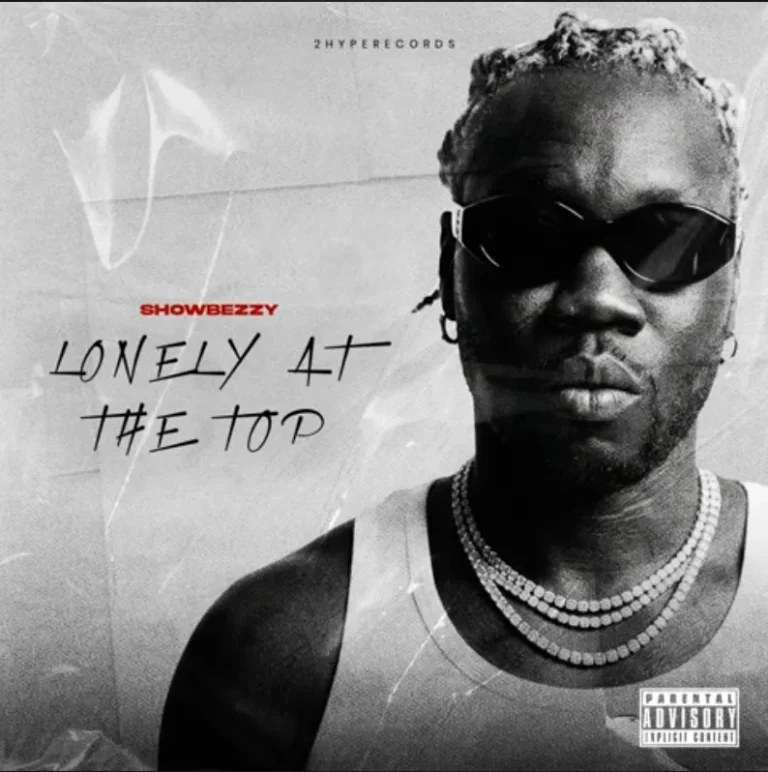
The contemporary West African music landscape has long functioned as a cultural barometer for youth ambition, resilience, and socioeconomic navigation. Within this vibrant ecosystem, Ghanaian recording artist and prominent 2Hype Gang affiliate Showbezzy has officially unveiled his latest major collaborative effort, joining forces with celebrated dancehall lyricist Captan for the high-energy street-hop anthem, Lowkey. Serving as a standout track from Showbezzy’s newly minted studio album, Lonely at the Top, the single arrives at a cultural inflection point where listeners across the region increasingly gravitate toward sonic narratives emphasizing discretion, personal boundary protection, and the strategic accumulation of wealth and success far away from the prying eyes of the public.
By marrying Showbezzy’s gritty, gravel-toned delivery with Captan’s razor-sharp dancehall cadences, the track transcends a standard collaboration, functioning instead as a manual for the modern silent hustler. As West African urban centers continue to foster fiercely competitive creative industries, Lowkey captures the zeitgeist of young artists and entrepreneurs who choose to let their eventual achievements speak louder than their daily pursuits. The release of this single not only reinforces Showbezzy’s growing footprint within the Ghanaian hip-hop and street-pop domains but also highlights the expanding cross-pollination between the nation’s burgeoning rap scenes and its deeply entrenched dancehall culture.
Anatomy of a Street Anthem: Production and Sound Engineering
At the production core of Lowkey lies a meticulously crafted mid-tempo soundscape designed to resonate within both local neighborhood hangouts and high-end audio systems. The anonymous sound architect behind the boards constructs a driving instrumental foundation defined by hammering kick drums, intricate and snappy hi-hat rolls, and rolling sub-bass lines that anchor the rhythm section. This deliberate arrangement provides the track with an infectious groove that marries the raw aesthetic of street-hop with the polished finish required for contemporary commercial radio.
Sound engineering plays a pivotal role in the track’s overall impact. The mix boasts pristine spatial separation, giving each sonic element—from the sharp transients of the percussion to the atmospheric background textures—ample breathing space. This high-fidelity approach ensures that every bar delivered by the collaborating artists lands cleanly, avoiding the muddy low-end frequencies that often plague dense bass-heavy productions. Consequently, the instrumental serves as a dynamic canvas that elevates the vocal performances without ever overshadowing them, establishing a masterclass in modern Ghanaian audio production.
Vocal Chemistry: Showbezzy and Captan’s Collaborative Dynamic
The vocal execution on Lowkey is driven by a compelling contrast and seamless complementary dynamic between its two primary contributors. Showbezzy spearheads the record using his distinctive textured rasp and a commanding, forceful delivery. His verses cut through the heavy sub-bass with an urgent authority, reflecting the gravity of his lyrical themes regarding perseverance, self-preservation, and the psychological demands of climbing toward success. Showbezzy’s performance is anchored in the lived realities of the West African street-pop circuit, where authenticity remains a primary currency for listener connection.
Complementing this gritty foundation, Captan brings a distinct dancehall sensibility to the composition. Known for his lyrical dexterity and melodic confidence, Captan injects the track with rhythmic versatility, shifting effortlessly between rapid-fire patois-infused cadences and smooth, anthemic hooks. This stylistic fusion bridges the gap between Ghanaian hip-hop and dancehall traditions, creating a hybrid sound that broadens the song’s commercial appeal. The interplay between Showbezzy’s raw intensity and Captan’s melodic poise transforms Lowkey into a multifaceted listening experience that rewards repeated play.
The Thematic Resonance of Lonely at the Top
To fully contextualize the release of Lowkey, one must examine its parent project, Lonely at the Top. Showbezzy’s latest studio album is designed as a comprehensive exploration of the emotional, psychological, and social tolls exacted by upward mobility in the modern music industry. In an environment where sudden visibility can invite both genuine support and unwanted scrutiny, the overarching theme of the album speaks to the isolation that frequently accompanies professional achievement.
Tracks like Lowkey serve as philosophical anchors within the album’s tracklist. Rather than glorifying the superficial trappings of fame, the song champions a counter-culture of quiet triumph. The lyrical content urges listeners to build their empires in silence, emphasizing that sustainable success is best cultivated away from the distractions of social media validation and public performance. This thematic maturity resonates deeply with a demographic of young Africans who navigate systemic economic challenges daily, offering a validating soundtrack for those whose ambitions require patience, discipline, and strategic discretion.
Chronology and Promotional Rollout
The genesis and subsequent release of Lowkey follow a carefully coordinated promotional timeline typical of modern independent and semi-major West African record releases. Initial whisperings of the collaboration began circulating across social media platforms weeks prior to the album’s drop, as both Showbezzy and Captan shared behind-the-scenes studio snippets and cryptic teasers hinting at a major joint effort. These teasers were strategically designed to build anticipation among their respective core fan bases, leveraging the cross-platform engagement of the 2Hype Gang network.
Upon the official release of Lonely at the Top, Lowkey immediately emerged as an early fan favorite, prompting rapid traction across digital streaming service (DSS) algorithms. The deployment of a dedicated YouTube streaming interface featuring high-definition audio and visual assets ensured that fans gained immediate, frictionless access to the track upon release. This digital-first strategy allowed the single to bypass traditional regional distribution bottlenecks, making it instantly available to international diasporic audiences in Europe, North America, and beyond who closely follow the evolution of Ghanaian urban music.
Implications for the Ghanaian Music Industry and Future Outlook
The release of Lowkey and its placement within Lonely at the Top carry significant implications for the ongoing evolution of the Ghanaian music sector. As streaming data increasingly dictates commercial viability, artists who successfully merge niche street credibility with broader regional appeal are best positioned for long-term career sustainability. Showbezzy’s collaboration with Captan demonstrates the commercial and artistic viability of inter-genre partnerships, proving that dancehall and street-hop can coalesce into a cohesive, high-performing product.
Furthermore, the song highlights the growing professionalization of the independent Ghanaian music circuit. High-level sound engineering, deliberate visual and digital rollouts, and cohesive thematic branding are no longer the exclusive domain of multinational record labels. Independent artists utilizing networks like the 2Hype Gang are increasingly capable of executing world-class project campaigns that resonate globally. As Lowkey continues to gain momentum across digital platforms, it solidifies Showbezzy’s trajectory as a formidable voice in contemporary African music, signaling that his ascent to the upper echelons of the industry is built on a foundation of artistic integrity and calculated execution.