In a continent where millions remain excluded from high-quality technology due to prohibitive costs, a new wave of entrepreneurship is shifting the focus from the production of cheap, low-end devices to the revitalization of premium hardware. Maguelone Biau and Kadia Faye, the co-founders of the startup Sikili, are betting that the future of African digital inclusion lies in the circular economy. By offering certified refurbished smartphones and electronics in Abidjan and Dakar, Sikili is addressing a critical gap in the market: the demand for aspirational technology at a price point that respects the financial realities of the West African middle class.
The startup’s value proposition is built on trust and technical rigor. Sikili sells iPhones, Samsungs, and MacBooks that undergo a stringent 65-point inspection process, are covered by a 12-month warranty, and are delivered within 48 hours. These devices are typically priced up to 40% lower than brand-new equivalents. By providing local after-sales service and a transparent quality guarantee, Sikili is attempting to formalize a market that has long been dominated by informal, high-risk "gray market" transactions.
The Socio-Economic Context of Digital Access in Francophone Africa
The digital landscape in French-speaking Africa presents a paradox of high connectivity potential and low device affordability. While mobile network coverage has expanded significantly, smartphone penetration remains uneven. In the most fragile economies of the region, penetration rates often linger below 20%. In more established markets like Senegal, Ivory Coast, and Cameroon, the rates fluctuate between 45% and 60%.

The primary barrier to adoption is financial. According to the 2024 GSMA Mobile Economy report, an entry-level smartphone in Sub-Saharan Africa costs approximately 26% of the average monthly income. When combined with high data costs, luxury taxes on imported electronics, and generally low purchasing power, the "usage gap" becomes a significant hurdle. This gap refers to the millions of people who live within the range of high-speed mobile broadband but do not use mobile internet because they cannot afford a compatible device or lack the digital literacy to navigate it.
Sikili’s emergence is a direct response to these constraints. By lowering the entry price for premium hardware, the startup is not just selling phones; it is providing the tools necessary for participation in the modern digital economy.
A Chronology of Partnership and Market Entry
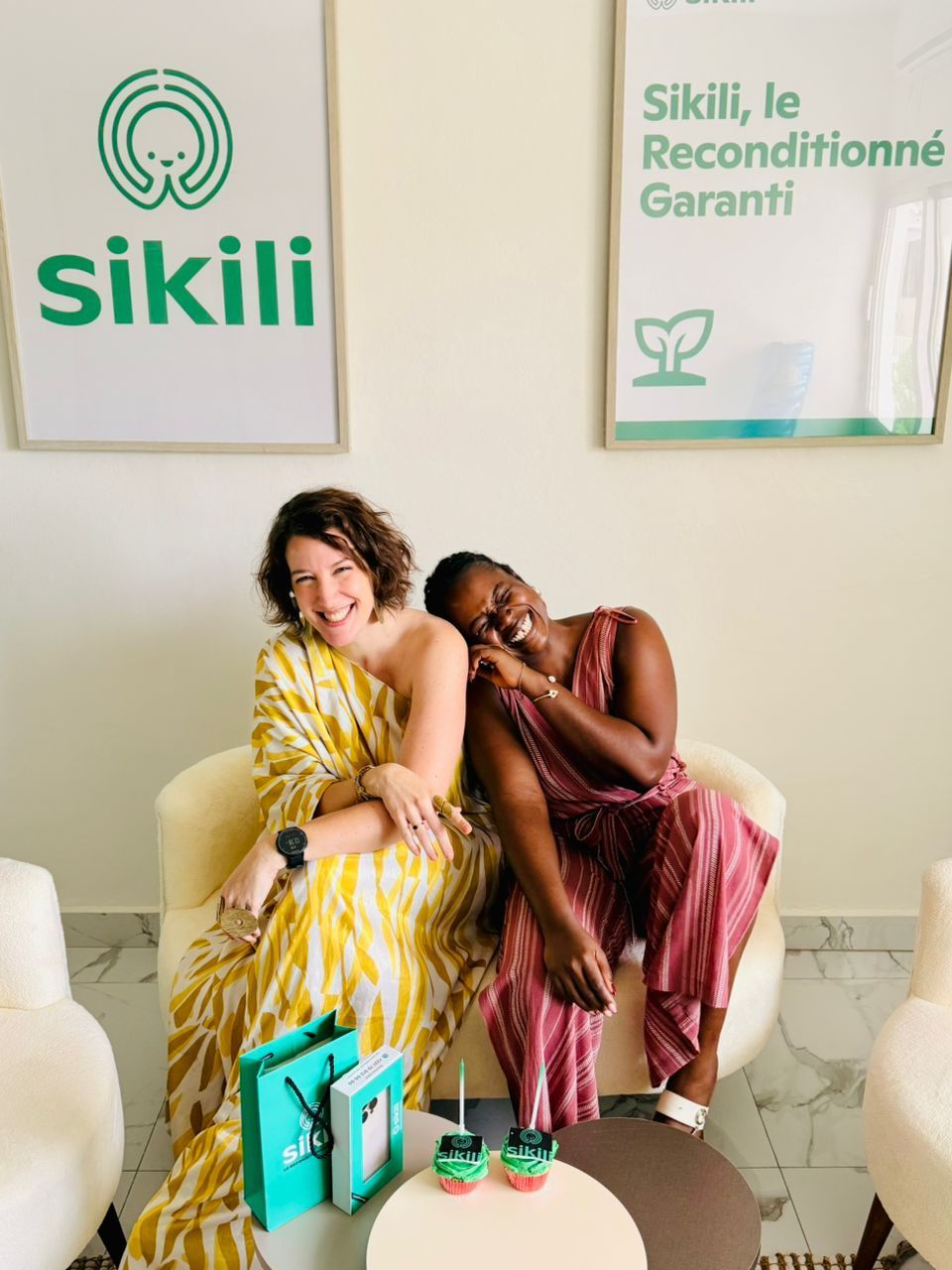
The story of Sikili is as much about the strategic alignment of its founders as it is about the technology they sell. Maguelone Biau, a Franco-Ivorian entrepreneur, spent nearly a decade in West Africa, working across Ghana, Uganda, and Senegal. After a previous startup venture failed to gain traction, Biau utilized her remaining investor capital to methodically research global trends that could be adapted to the West African context. She observed the explosion of the refurbished tech market in Latin America and Asia and identified a glaring vacuum in the Francophone African market.
However, Biau recognized that operational expertise alone would not suffice; the venture required a partner with deep roots in regional retail and marketing. This led her to Kadia Faye, a Senegalese professional with a decade of experience at multinational corporations including Philip Morris, Samsung, and Canon. Faye’s expertise in Business-to-Business (B2B) sales and marketing across markets like Mauritius and West Africa provided the commercial engine Sikili needed.

The partnership was solidified through months of remote consultation and a pivotal meeting in Abidjan. Faye eventually resigned from her senior role at Canon to join Biau in building Sikili from the ground up. Their collaboration is governed by a clear division of labor: Biau manages investor relations, finance, and operations, while Faye leads distribution, partnerships, and regional growth.
Strategic Evolution: From Dakar to Abidjan
Sikili was launched in 2024 with an initial self-funded capital of €20,000 ($23,500). The startup’s entry into the market was characterized by a "lean" approach, prioritizing learning over aggressive scaling. Although the original plan focused on the Ivory Coast, logistical complications with the first shipment forced a pivot to Senegal. This accidental launch in Dakar provided the founders with invaluable insights into consumer behavior and supplier reliability.
Since its inception, Sikili has evolved its business model around four primary pillars:
- Multi-Channel Distribution: Balancing B2C direct sales with B2B partnerships.
- Strategic Sourcing: Combining international procurement with a local buy-back program.
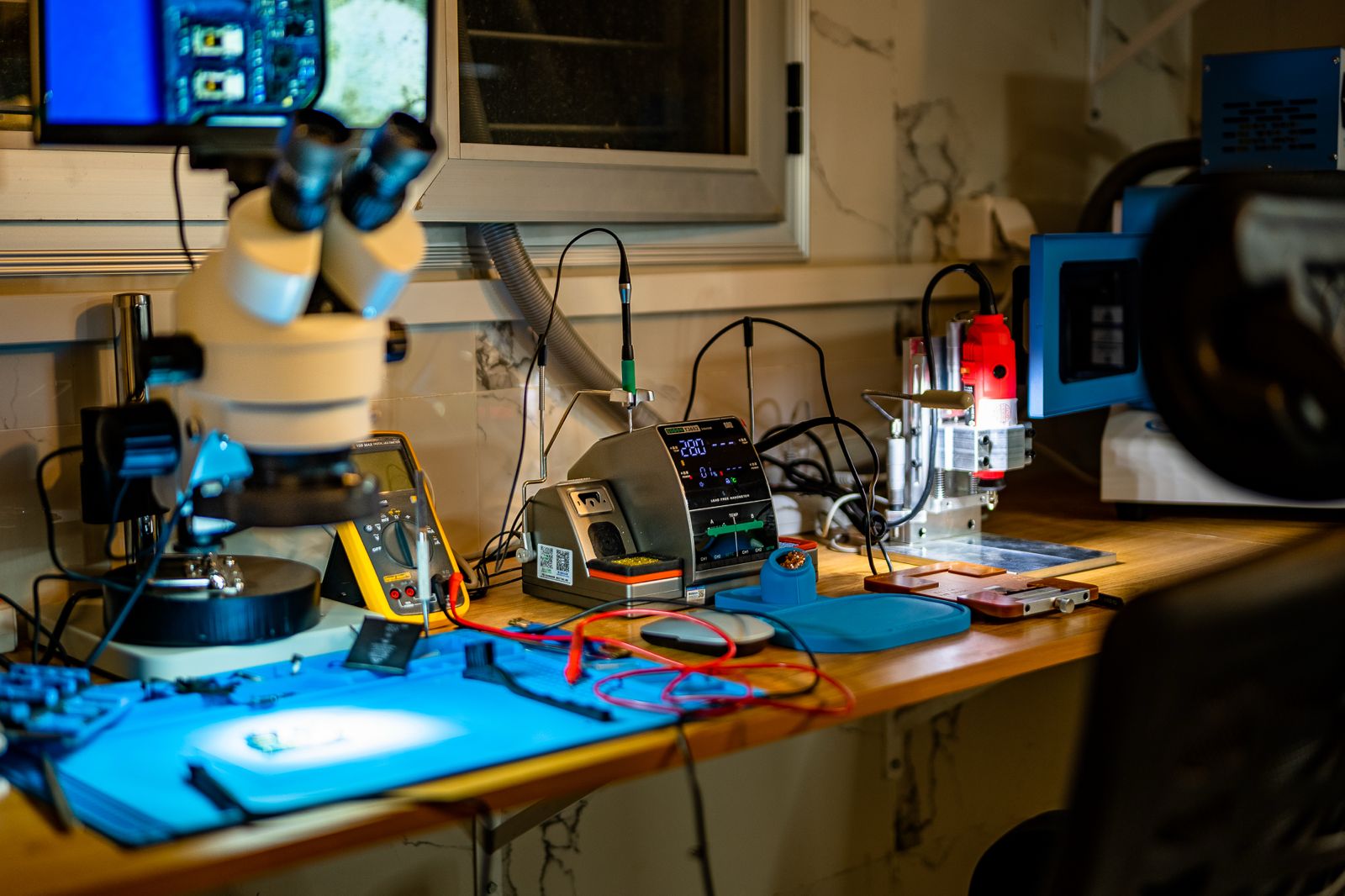
- Technical Excellence: Establishing local workshops for refurbishment and after-sales service.
- Technological Infrastructure: Developing proprietary tracking tools to manage inventory across multiple borders.
A significant driver of Sikili’s growth has been its B2B strategy. The startup has signed contracts with reputable companies that offer Sikili devices to their employees as a benefit, often through salary deduction schemes. This model has provided the startup with high-volume sales and, perhaps more importantly, institutional credibility. In markets where consumers are frequently wary of counterfeits and "repackaged" scams, the endorsement of established corporate entities has been essential.
Navigating Cultural and Logistical Nuances
One of the most complex challenges for any business operating in West Africa is the lack of regional homogeneity. Biau and Faye have been careful to tailor their approach to the specific cultural and logistical realities of Dakar and Abidjan.
In the Ivory Coast, the logistical environment is notably complex, requiring a more direct and transactional approach to customer service. Conversely, in Senegal, the founders noted that business is deeply rooted in social and emotional connections. Meetings in Dakar often involve significant time dedicated to building personal rapport before discussing commercial terms.
Product localization has also been key. Sikili made the strategic decision to phase out older models, such as the iPhone X and XR, as they no longer receive critical software updates from Apple. By focusing on more recent hardware, the startup ensures that its customers remain within the supported ecosystem of modern applications. Furthermore, the company has introduced a "buy-back" program, allowing customers to trade in devices they previously purchased from Sikili, thereby creating a self-sustaining pipeline of inventory and fostering long-term brand loyalty.
Funding and the Role of Technical Assistance
To date, Sikili has raised approximately €600,000 ($707,000) in external funding, with notable support from Digital Africa, a fund backed by the French Development Agency (AFD). The startup also gained significant visibility through the AfricArena summit, which served as a platform for engaging with regional and international investors.

However, the founders emphasize that capital is only one part of the equation. A critical factor in their success has been access to "technical assistance"—a form of support often overlooked in news headlines. Through various programs, Sikili has been able to hire high-level experts in logistics, tax law, and marketing—professionals who would typically be outside the budget of an early-stage startup.
Faye and Biau argue that the most valuable investors are those who move beyond passive financing to engage in brainstorming sessions and organizational restructuring. This "smart capital" has allowed the founders to navigate the administrative hurdles and compliance burdens that often stifle small businesses in Senegal and Ivory Coast.
The Broader Impact and Future Vision
The implications of Sikili’s success extend beyond the telecommunications sector. By promoting the circular economy, the startup is addressing the growing environmental concern of electronic waste (e-waste) in Africa. As the continent becomes a major consumer of technology, the ability to repair, refurbish, and recycle devices locally is essential for sustainable development.
In the long term, Faye envisions the refurbishment industry in West Africa expanding beyond consumer electronics. The goal is to build an infrastructure capable of handling industrial servers, networking equipment, and larger hardware systems. This would position the region not just as a consumer of global tech, but as a hub for sustainable technological management.
For Maguelone Biau, the journey with Sikili is a testament to the importance of resilience and market timing. Her advice to fellow entrepreneurs is rooted in the reality of the African tech ecosystem: "Success requires humility and an understanding that your most precious resource is time. A failure is not a drama; it is a part of the path."
As Sikili continues to scale, it serves as a case study for how innovative business models can bridge the gap between high-end global technology and the economic realities of emerging markets. By focusing on quality, trust, and the circular economy, Biau and Faye are not only building a company but are also shaping the future of digital accessibility in Francophone Africa.