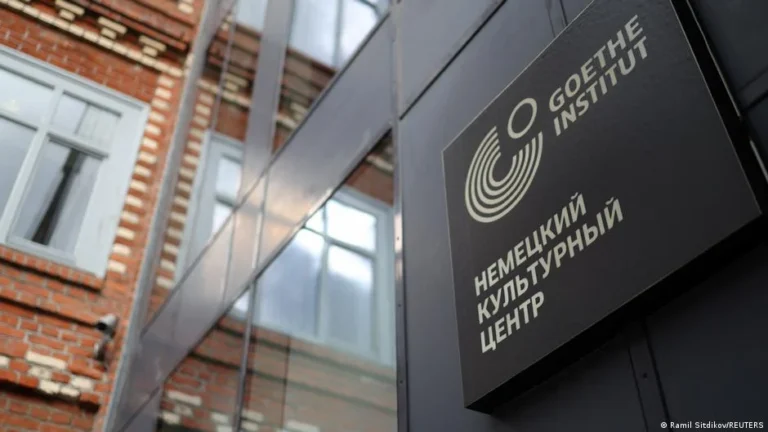
The Goethe-Institut, Germany’s global cultural powerhouse, is shuttering its remaining Russian operations by Sunday, September 13, 2026. This move, mandated by the Russian Foreign Ministry, effectively severs one of the last remaining institutional lifelines between the two nations. The forced closure follows a retaliatory cycle of diplomatic sanctions sparked by accusations that Moscow orchestrated a sophisticated, albeit unsuccessful, drone attack at Leipzig/Halle Airport in early August. As the doors of these cultural centers in Moscow, St. Petersburg, and Novosibirsk lock for the final time, the event serves as a stark barometer for the current state of Russia-Germany relations, which have reached their lowest point since the conclusion of the Cold War.
A Chronology of Escalation
The shuttering of these institutions is not an isolated incident but the culmination of a deteriorating diplomatic landscape that began in earnest with Russia’s full-scale invasion of Ukraine in February 2022. The following timeline outlines the rapid decline in bilateral institutional cooperation:
- February 2022: Following the onset of the war in Ukraine, diplomatic relations entered a state of rapid degradation, leading to the mass expulsion of diplomats from both sides.
- Early 2023: Germany begins a systematic review of the Russian presence in its cultural and administrative spheres, citing national security concerns and the need to curb Russian influence operations.
- May 2023: Berlin terminates the lease for the "Russian House" in Berlin, a cultural center that had operated for decades, on the grounds that it was being used to project Russian state influence and propaganda.
- August 2026: A drone attack occurs at Leipzig/Halle Airport. German intelligence and federal prosecutors launch an investigation, eventually concluding that the act was a state-sponsored attempt at sabotage, leading to a major diplomatic fallout.
- September 2026: Germany imposes a new package of sanctions, including the closure of the Russian Consulate General in Bonn and tightened visa restrictions. In a direct retaliatory move, the Russian Foreign Ministry issues an order for the total cessation of all Goethe-Institut activities on Russian soil.
The Institutional and Economic Impact
The Goethe-Institut served as a vital bridge for thousands of Russian citizens seeking academic, professional, and personal development. According to internal data from the institute, the impact of this closure is significant. In 2025 alone, despite the geopolitical constraints, approximately 10,000 individuals were enrolled in German language programs or associated partnerships. While this represents a decline from the 16,000 students recorded prior to 2023, the sustained interest highlights a resilient demand for German cultural and linguistic education.
The closure affects more than just language learners. The institute administered roughly 22,000 internationally recognized German language exams annually. For many, these certifications are not merely academic goals but prerequisites for migration, employment, or academic enrollment in Germany. The sudden absence of these testing centers leaves a vacuum that forces many Russians to seek testing in third countries, a process that carries significant financial and logistical burdens, particularly for those seeking repatriation or familial reunification.
Professional Displacement and Educational Stranding
Beyond the student body, the closure has left a generation of educators and administrative staff in a precarious position. Teachers who spent years, and in some cases decades, developing curricula in partnership with the institute report feeling "professionally stranded." The Goethe-Institut provided high-quality pedagogical resources and digital infrastructure that allowed local schools to maintain standards consistent with European educational models.
A teacher from the Moscow region, speaking under condition of anonymity due to the sensitive nature of the topic in Russia, noted that the partnership was a "pillar of our work." Without the institute’s support, the ability to conduct standardized assessments and provide modern, relevant teaching materials has been crippled. The loss of these resources has left many educators questioning their future in a domestic market where their specific skills—fluency in German and knowledge of German institutional standards—are increasingly viewed with suspicion by the authorities.
A Diplomatic Interpretation of the 2011 Agreement
The legal basis for the cultural presence of both nations was established in a 2011 bilateral intergovernmental agreement. This treaty was intended to protect cultural exchange from the volatility of day-to-day politics. The agreement explicitly requires both countries to foster conditions conducive to the operation of their respective cultural centers.
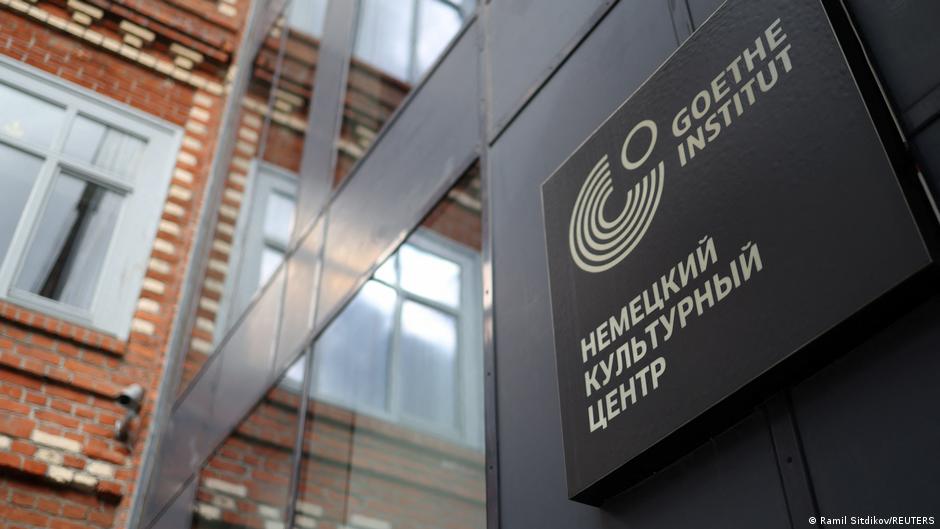
However, the recent wave of closures has highlighted the limitations of such agreements in the face of national security crises. While the treaty dictates reciprocity, it does not mandate the automatic closure of one country’s centers in response to another’s actions. Moscow’s decision to close the Goethe-Institut is a political interpretation of "reciprocity," weaponizing cultural assets as leverage against Berlin’s own administrative measures. Gesche Joost, the president of the Goethe-Institut, has characterized this move as "the end of an era," lamenting that the institution, which maintains 154 branches in 100 countries, has now seen its Russian presence extinguished entirely.
The Human Cost and Public Sentiment
Public response, as collected from various demographics, reflects a deep sense of alienation. Many Russians who relied on the institute express a feeling of being caught between two competing political agendas. While some acknowledge that the current political climate made the closure inevitable, others view it as a shortsighted attempt to isolate the Russian population from European influence.
A common sentiment among those impacted is the perception that the political elite remains insulated from the consequences of these decisions. Several observers pointed out the irony that children of the Russian leadership continue to access Western education and cultural environments, while the average citizen is denied the opportunity to learn a foreign language or participate in international cultural exchange. This perceived double standard has become a focal point of criticism among the Russian public, who see the destruction of cultural ties as a further step toward complete isolationism.
Analytical Outlook: The Long-Term Consequences
The closure of the Goethe-Institut is likely to have long-term structural effects on German-Russian relations. Firstly, the eradication of these cultural centers removes a significant channel for "soft power" and objective information flow from Germany into the Russian interior. By shutting down these hubs, the Russian government is effectively narrowing the scope of available perspectives on European life, history, and politics.
Secondly, the loss of these institutions will inevitably hinder future bilateral reconciliation. Cultural institutions often serve as the first point of contact in post-conflict restoration. By systematically dismantling the infrastructure of dialogue, both nations are making the prospect of future diplomatic normalization significantly more difficult.
Finally, the closure signals a shift in the nature of the conflict. The focus has moved from standard diplomatic disagreements to the active destruction of the mechanisms of civil society interaction. As the libraries close and the staff depart, the "iron curtain" of digital and physical barriers continues to thicken. While the Goethe-Institut continues its operations in 99 other countries, its absence in Russia will leave a profound void that will be felt by generations of Russians who view the German language and its culture as a vital connection to the broader global community.
For now, the focus of the Goethe-Institut remains on the orderly winding down of its affairs, with Gitte Zschoch confirming that as of September 13, all operations, including book lending and training, will officially cease. The era of institutionalized cultural exchange between Berlin and Moscow has effectively closed, leaving behind a legacy of academic and social ties now subject to the harsh realities of modern geopolitics.