Lagos, the pulsating commercial nerve center of Nigeria and one of the fastest-growing megacities in the world, has entered a transformative era. For decades, the city’s social fabric was defined by sprawling markets, traditional nightlife districts, and informal gatherings. However, as of 2026, the landscape of social interaction has shifted. A new generation of "third spaces"—physical environments distinct from the workplace and the home—is emerging. These hubs, ranging from specialized skate parks and AI-integrated nightclubs to boutique wellness studios, are not merely recreational venues; they are becoming the primary sites where the city’s identity is negotiated, curated, and broadcast to a global audience.
The emergence of these spaces is a direct response to a demographic shift. With a median age hovering in the low twenties, the youth of Lagos are increasingly seeking environments that mirror their multifaceted interests. This generation is globally connected, tech-savvy, and deeply invested in the intersection of fashion, art, music, and sustainable living. The rise of these venues represents a movement away from generic commercialism toward hyper-curated, community-focused experiences.
The Evolution of Public Spaces: A Chronology
The transformation began in earnest around 2020, as the pandemic forced a rethink of communal engagement. While the initial wave saw the rise of food-centric businesses like Dirty Buns—which bucked the trend of digital-first ordering in favor of a strictly physical, community-focused walk-in culture—the movement quickly expanded into more complex, multidisciplinary spaces.
By 2021, the focus shifted toward integrated wellness and lifestyle, evidenced by the opening of Beyond Fitness in Victoria Island. This signaled that for the Lagosian youth, fitness was no longer a solitary activity but a social currency. The timeline accelerated in 2024, a pivotal year for the city’s urban culture. The inauguration of the WAF Skate Park at Freedom Park transformed a historic site into a modern epicenter for youth expression, effectively bridging the gap between colonial-era architecture and contemporary subculture. Simultaneously, the launch of AMAH Studios by Daniel Obasi introduced the concept of the "experimental penthouse," where the boundaries between art gallery, wellness center, and rave venue became intentionally porous.
Architectural Innovation and Technological Integration
One of the most striking aspects of these new hubs is their use of technology to foster human connection. F0M0 Lagos, located in Victoria Island, serves as a primary example of this shift. As the city’s first AI-powered nightclub, it does not rely on traditional DJ sets alone; it employs real-time generative visuals and adaptive soundscapes that respond to the physiological energy of the crowd. This integration of technology creates a "smart" environment, where the architecture itself participates in the social experience.
Data from local urban development reports suggests that the success of these venues is tied to their "multipurpose" design. Unlike traditional businesses that serve a singular function, these hubs are intentionally designed for flexibility. Suudu Lagos, for instance, functions as both a boutique hotel and a high-fidelity listening room, hosting vinyl sessions that cater to audiophiles. This versatility allows these spaces to remain relevant across different times of the day, effectively becoming "living rooms" for the city’s creative class.
Economic and Cultural Implications
The rise of these venues has broader economic implications for Lagos. By acting as magnets for creative talent, these spaces facilitate professional networking in a way that traditional corporate offices cannot. The Homecoming Concept Store, founded by Grace Ladoja, is perhaps the most significant player in this arena. By providing a retail platform that showcases contemporary African fashion and design, the store has successfully bridged the gap between local artisanal talent and the international diaspora.
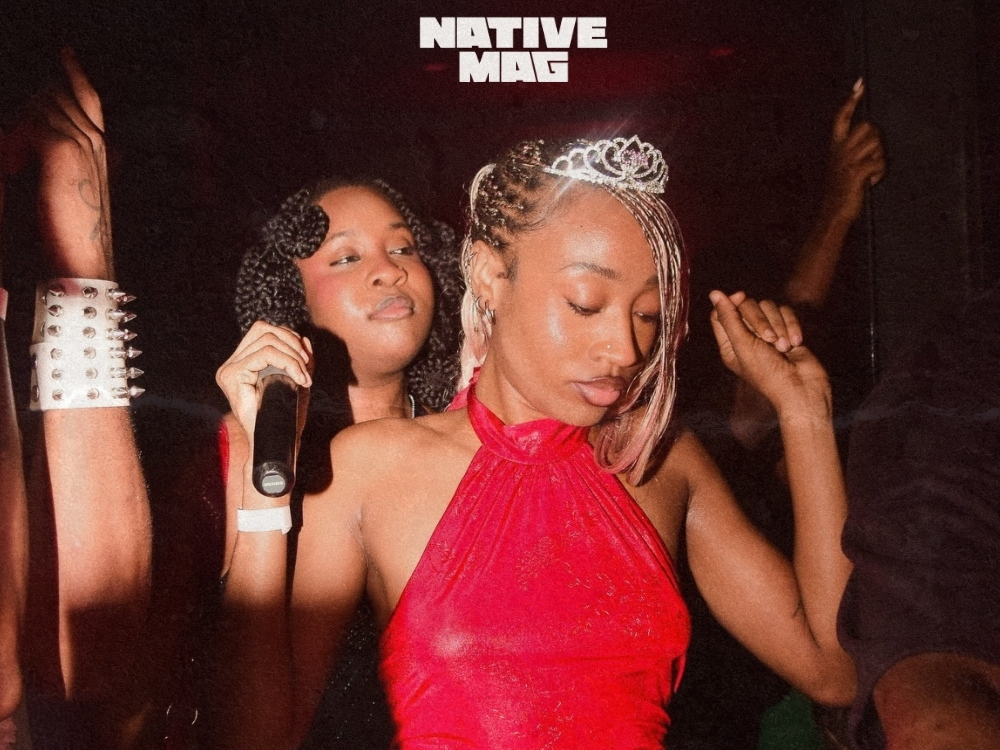
The economic impact of such spaces is quantifiable. They drive foot traffic to previously underutilized areas, stimulate the local service economy, and create specialized roles in event curation, technical production, and community management. Furthermore, these hubs are establishing Lagos as a global destination for "cultural tourism." International visitors are increasingly bypassing traditional tourist traps in favor of these authentic, youth-led environments where they can engage with the genuine pulse of the city.
Community Reactions and the Concept of the "Third Space"
The consensus among local observers is that these spaces have filled a void in the urban infrastructure. Where previous generations relied on large-scale festivals or private gatherings, the current generation is prioritizing intimacy and specificity.
"These spots aren’t just part of the city’s social life anymore; they’re becoming part of how Lagos defines itself," noted one local cultural critic. The "walk-in only" policy at places like Dirty Buns is indicative of a broader trend: a rejection of the convenience-at-all-costs model of the digital age in favor of a tangible, human experience. This is not a rejection of technology, but a refinement of how it is used. At venues like The Polygon, technology is leveraged to facilitate screenings and exhibitions that promote face-to-face discourse, effectively turning a simple office building into a campus for intellectual exchange.
The Role of Niche Curation
The success of these hubs is also a testament to the power of niche branding. Sleek’s Matcha, for example, introduced a specific gastronomic experience—matcha-based beverages—that served as a catalyst for a new type of communal gathering in Victoria Island. By focusing on a specific product and a high-quality environment, the founder, Ines Adeogun-Phillips, created a destination that functions as a cultural hub rather than just a café.
Similarly, the Engine Room in Lekki has become a beacon for the alternative scene by hosting programming that prioritizes experimentation. By offering space for events like "Healing In Saturn," the venue fosters an environment where new ideas can germinate. This is the hallmark of the new Lagos social scene: the space is not merely a container for commerce, but a platform for the incubation of art and social movements.
Future Outlook: Sustainability and Longevity
As these hubs move into their next phase of development, the primary challenge will be sustainability. The high cost of maintaining such experiential spaces in a city with fluctuating infrastructure demands a high degree of business acumen. However, the existing trend lines are positive. Many of these venues have moved beyond their initial launch phases and are now anchoring their respective neighborhoods, influencing the surrounding commercial ecosystem.
The institutionalization of these spaces as "cultural landmarks" is likely to continue. As more creators, founders, and music lovers converge in these settings, the collective influence of these hubs will play an increasingly vital role in Lagos’s global soft power. The city is no longer just a place of commerce; it is being rebranded as a global creative capital, with these small, high-intensity venues serving as the building blocks of that identity.
In conclusion, the social map of Lagos has been redrawn. From the concrete ramps of the WAF Skate Park to the intimate, avant-garde settings of Fantasy Ikoyi, the city’s youth are crafting a new social reality. By blending tradition with modern technology and prioritizing the quality of human connection over the speed of transactions, these hubs are ensuring that Lagos remains not just a city in motion, but a city in a meaningful, intentional evolution. The future of Lagos, it seems, will be written in the spaces between the homes and the offices, where the culture is not just observed, but actively constructed every single day.