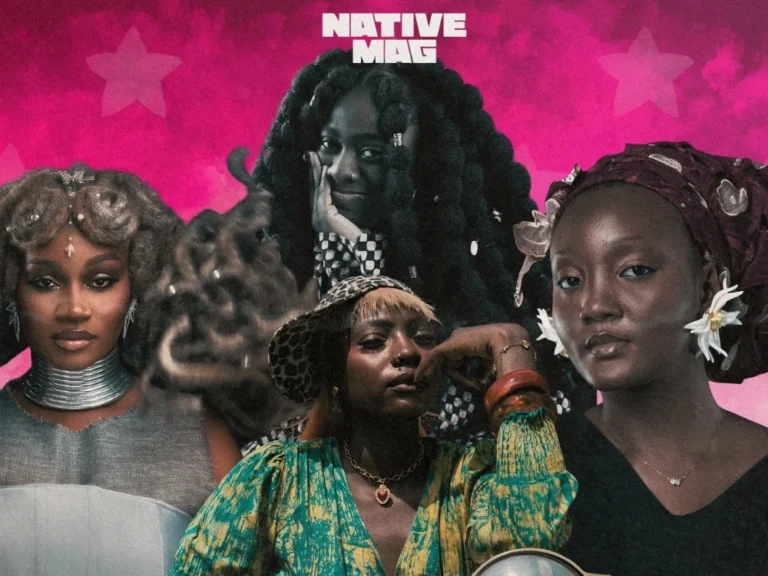
The modern Nigerian musical landscape is undergoing a profound metamorphosis, shifting away from the saturated tropes of commercial pop toward a nuanced renaissance rooted in indigenous heritage. While the global charts have long been dominated by the high-tempo rhythms of mainstream Afrobeats, a new generation of female artists is carving out a distinct space by integrating ancestral musicality, traditional dialects, and folk-inspired storytelling into the fabric of contemporary Jazz, Soul, and experimental Trap. This movement, characterized by a return to authenticity and refined vocality, serves as a poignant response to the perceived commercialization of the industry, positioning these women as the intellectual and artistic successors to legends like Asa.
A Shift in the Sonic Paradigm
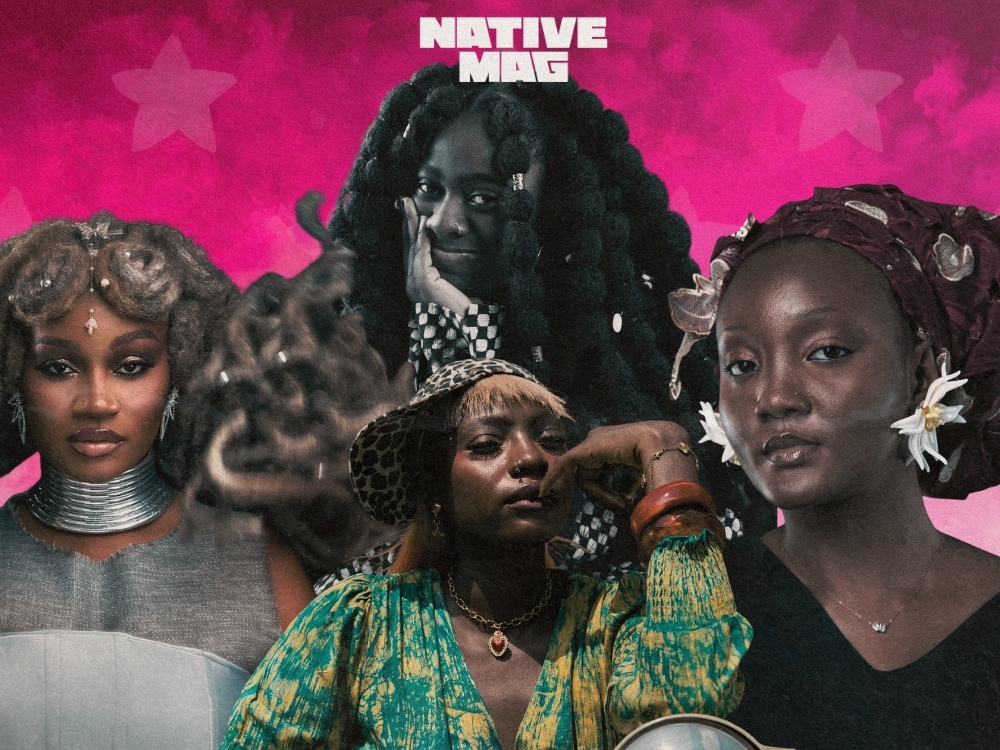
For years, critics have debated the sustainability of the Nigerian music industry, often citing a reliance on repetitive motifs and the instability of the live performance sector. However, the emergence of artists like Lodú, Teledalase, and Celeste Ojatula suggests a deliberate pivot. These musicians are not merely singing; they are curating ethereal experiences that bridge the gap between historical Nigerian folklore and modern production techniques. By blending the rhythmic complexity of traditional percussion with the harmonic structures of western Jazz and Soul, these artists are attracting a global audience that values cultural depth alongside technical precision.
The economic implications of this shift are notable. Streaming data from 2025 and 2026 indicates a steady climb in listenership for "alternative" or "indie" Nigerian genres. Platforms such as Spotify and Apple Music have observed that listeners are increasingly seeking out long-form, narrative-driven albums, providing a fertile ground for artists who prioritize artistic expression over short-lived viral hooks.
Chronology of an Artistic Awakening
The roots of this movement can be traced back to the late 2010s, but it has gained significant momentum between 2024 and 2026.
- 2018–2020: The foundational years saw artists like Celeste Ojatula and J’Dess establishing their identities within the indie scene. J’Dess’s nomination at the 2020 Headies for Best Vocal Performance signaled a broader industry recognition that "soulful" and "traditional-leaning" music could compete with mainstream dance hits.
- 2021–2023: The period of experimentation. Solana’s early collaborations with producers like Killertunes began to define the "Yorupop" sound, while Teledalase drew inspiration from her Osogbo roots to create deeply interior, folk-centric bodies of work.
- 2024–2026: The breakout era. The release of high-profile projects like Lodú’s Wine & Honey and the soundtrack work for Netflix’s Anikulapo: Rise of the Spectre (featuring Teledalase) cemented these artists as household names. The 18th Headies Awards season, featuring multiple nominations for artists like Omawumi, highlights the institutional acceptance of this creative pivot.
Profiles in Artistic Excellence
Lodú: The Architect of Afrosoul
Lodú has emerged as a cornerstone of this movement, utilizing her independent label, Ámilie Records, to maintain creative autonomy. Her 2025 breakthrough, “Ófàmi,” demonstrated an ability to fuse Samba rhythms with Nigerian sensibilities. Her work, including “Olówó Orími,” functions as an emotional anchor in the scene, balancing commercial appeal with a deeply personal, romantic vulnerability that has garnered support from global figures like Tems.
Teledalase: Bridging the Screen and the Ancestors
Teledalase’s contribution is perhaps most visible in the cinematic space. Her work on the Anikulapo soundtrack introduced a wider audience to the spiritual weight of the Yoruba language. By oscillating between intimate ballads and high-energy Synth-Pop, she challenges the binary of traditional versus modern, proving that indigenous storytelling can thrive in a digital-first, streaming-heavy environment.
Celeste Ojatula: The Custodian of Folktales
Ojatula operates as a musical chronicler. Her debut album, Alo, effectively translated the cadence of moonlight fables into indie-folk. By focusing on themes of nostalgia and collective memory, she has built a discography that feels timeless. Her recent EP, Our Time in the Sun, demonstrates a newfound capacity for euphoria, showing that the "wistful" artist is capable of broader emotional range.
Omawumi: The Bohemian Trailblazer
With a career spanning seven years, Omawumi represents the seasoned veteran of this group. Having shared the stage with industry titans like Asa, she has successfully blended Highlife, Jazz, and Fuji. Her 2025 album, Detox, serves as a masterclass in artistic vulnerability. With four nominations at the 18th Headies Awards, her trajectory proves that professional longevity is achievable through creative integrity rather than chasing ephemeral trends.
Faith Martins: The Power of Intent
Faith Martins occupies a unique space, having successfully navigated the volatile environment of social media virality. Her hit “Dájú” serves as a case study in how to leverage TikTok’s reach without sacrificing artistic significance. By integrating traditional talking drums with modern log drums, she provides a bridge for younger listeners to engage with traditional Yoruba chants, effectively democratizing the consumption of cultural heritage.
J’Dess: The Vocal Virtuoso
J’Dess stands out for her technical dexterity. A veteran of The Voice Nigeria, her work—ranging from "Chi Efo" to "Honey"—is defined by meticulous arrangement. Her ability to synthesize Igbo Pop, R&B, and Highlife has garnered the respect of Eastern industry stalwarts such as Phyno and Zoro, reinforcing the idea that this movement is not limited to any single linguistic or ethnic region of Nigeria.
Solana: Globalizing the "Yorupop"
Solana’s rapid ascent in 2026 with "Okunkun" serves as proof of the global viability of indigenous-language music. Her work, characterized by high-speed lyricism and tight production, has received endorsements from an eclectic mix of global artists, including SZA and Little Simz. Her success suggests that the barrier between "local" sounds and "global" markets is increasingly permeable when the quality of production meets a distinct cultural identity.
Implications for the Nigerian Music Industry
The success of these women signifies a maturation of the Nigerian music market. Analysts point to three primary implications of this shift:
- Cultural Exportation: By centering ancestral language and musicality, these artists are not just exporting music; they are exporting cultural narratives. This builds a more sustainable form of soft power, as international audiences begin to recognize and appreciate the depth of Nigerian folklore.
- Institutional Validation: The increased presence of these artists at events like The Headies suggests that award bodies and labels are moving away from a "monoculture" of pop. This encourages new talent to experiment with indigenous sounds without fear of being sidelined.
- The Rise of the Artist-Curator: Many of these women—such as Lodú with her label and others through self-production—are taking control of their own distribution and creative direction. This decentralization of power away from major labels allows for a more diverse array of voices to enter the public discourse.
Future Outlook
As the industry looks toward the end of 2026 and into 2027, the focus remains on whether this "back-to-roots" movement will continue to scale. The challenge lies in maintaining the balance between commercial viability and the "soul" that has defined the work of these artists. However, if the current trajectory holds, the Nigerian music scene is likely to see an increase in interdisciplinary collaborations, where traditional instrumentalists and electronic producers work in closer tandem to push the boundaries of what is considered "contemporary."
The collective impact of these artists is clear: they have proven that the Nigerian listener is not a monolith and that there is a deep, unmet hunger for music that speaks to the spirit as much as it does to the dance floor. By grounding their artistry in the ancestral, these women are not only preserving the past but are actively constructing a future for Nigerian music that is as intellectually stimulating as it is sonically vibrant.