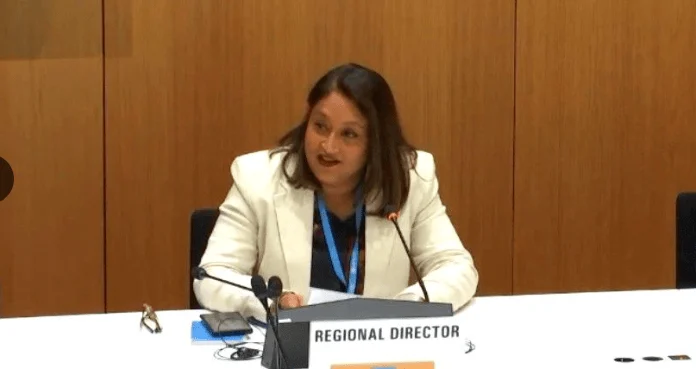
Saima Wazed, the World Health Organization’s Regional Director for South-East Asia (SEARO) and the daughter of deposed Bangladeshi Prime Minister Sheikh Hasina, officially resigned from her high-profile post on Wednesday. Her departure came mere hours after member states within the South-East Asian region overwhelmingly recommended her termination during a closed-door session at the 79th Regional Committee meeting. The recommendation was set to advance to the WHO Executive Board for final ratification before preempted by her resignation.
The resignation brings a dramatic, tumultuous conclusion to Wazed’s five-year tenure, which has been severely impacted by spiraling fraud allegations, an extended period of leave without pay, mounting geopolitical friction between Dhaka and the global health body, and intense pressure from Bangladesh’s interim administration. Wazed, however, has vehemently denied all accusations, framing her departure as a reaction to persistent harassment and institutional intimidation by WHO Director-General Dr. Tedros Adhanom Ghebreyesus.
A Chronology of Crisis: From Appointment to Resignation
The trajectory of Wazed’s leadership at SEARO has been intrinsically linked to the shifting political fortunes of her family in South Asia.

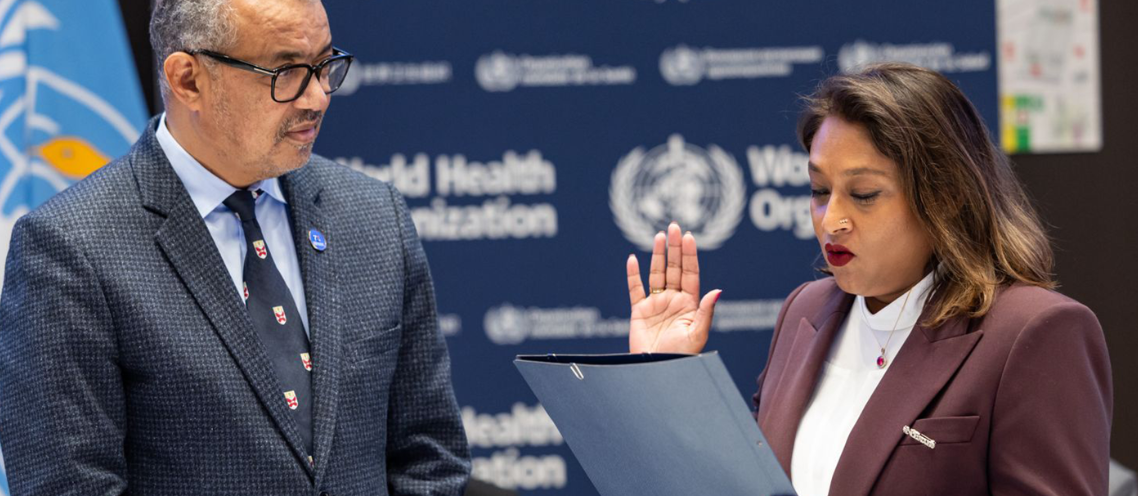
- February 2024: Saima Wazed is triumphantly sworn in as the WHO Regional Director for South-East Asia, succeeding Dr. Poonam Khetrapal Singh. Her appointment heralds a prominent diplomatic role based in New Delhi, India.
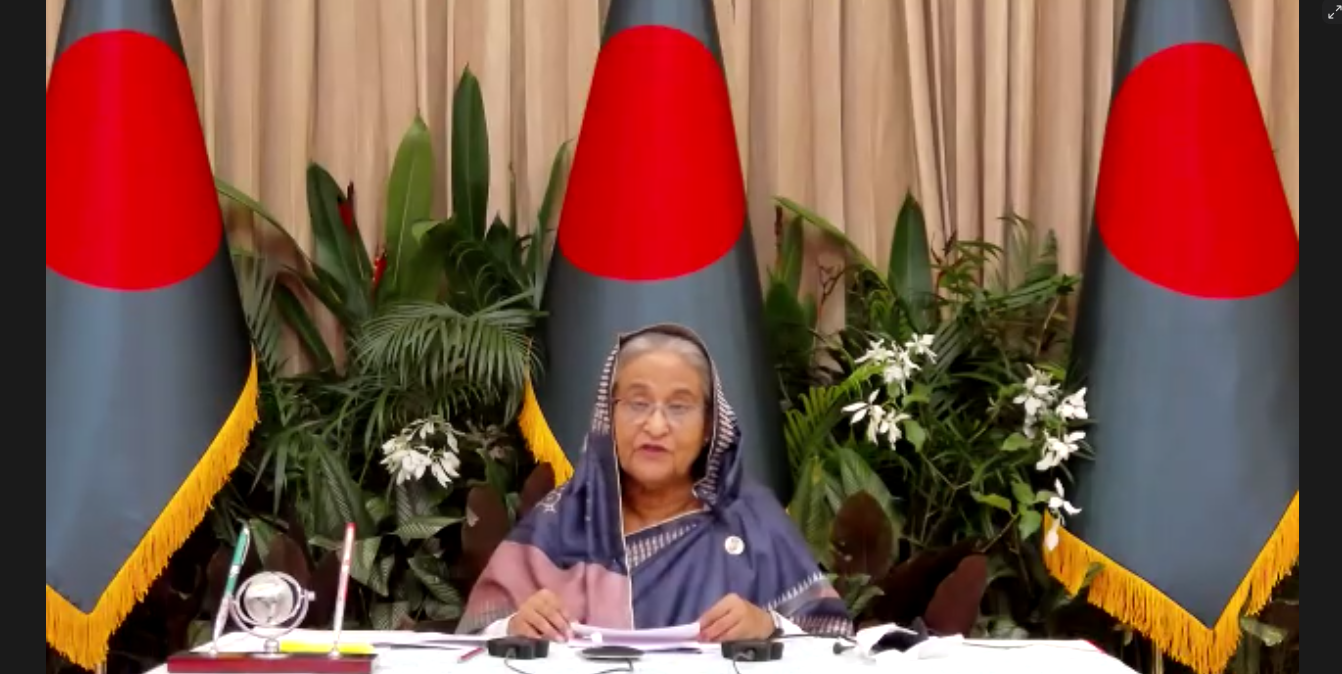
- August 2024: Just six months into her tenure, massive student-led uprisings in Bangladesh culminate in the sudden ousting of her mother, Prime Minister Sheikh Hasina, who flees the country by helicopter and seeks refuge in India. The political landscape of Dhaka undergoes a radical restructuring under an interim government.
- March 2025: Bangladesh’s newly empowered Anti-Corruption Commission officially files formal fraud and forgery charges against Wazed. The allegations claim she deliberately misrepresented an honorary doctorate as an authentic academic credential during her initial candidacy for the SEARO post and participated in illicit land transactions.
- Mid-2025: Following mounting external pressure and internal reviews regarding a separate travel reimbursement dispute involving $901 for a trip to China—which her legal representation attributes to administrative error—WHO Director-General Dr. Tedros Adhanom Ghebreyesus places Wazed on indefinite leave.
- Late 2025 to Mid-2026: While residing in India under diplomatic insulation from Bangladeshi arrest warrants, Wazed remains on administrative leave. According to internal sources, formal investigations into her conduct stall, while diplomatic channels between Dhaka and WHO headquarters see continuous, tense negotiations.
- September 8, 2026: During the 79th Regional Committee meeting of SEARO, member states convene behind closed doors and formally recommend the termination of Wazed’s appointment as Regional Director.
- September 9, 2026: Saima Wazed submits her resignation letter to the WHO leadership, ending her tenure immediately and sparking a war of words with the organization’s top brass.
Geopolitical Pressures and the Risk of Regional Fragmentation
The crisis surrounding Wazed was never merely an administrative or internal compliance issue; it played out against a volatile geopolitical backdrop. Sources close to the diplomatic exchanges between Dhaka and WHO headquarters revealed that representatives of Bangladesh’s interim government exerted sustained pressure on WHO leadership throughout 2025 and 2026.
Dhaka reportedly warned the WHO Director-General that prolonged inaction regarding Wazed’s status could prompt Bangladesh to fundamentally reassess its multilateral commitments. Specifically, Bangladeshi officials floated the possibility of withdrawing from SEARO and seeking affiliation with the WHO Eastern Mediterranean Region (EMRO).
Such a realignment would deal a severe blow to regional stability within the global health framework. Regional observers noted that SEARO—which comprises ten member states, including India, Indonesia (historically shifted to the Western Pacific), Thailand, Nepal, Sri Lanka, Myanmar, Bhutan, the Maldives, Timor-Leste, and North Korea—could ill afford another structural defection. The delicate diplomatic balance required the organization to navigate Wazed’s legal liabilities without triggering a broader institutional crisis among its member states.
Clashing Narratives: Accusations of Harassment Versus Institutional Due Process
Following the submission of her resignation letter, Wazed launched a scathing public critique against WHO Director-General Dr. Tedros Adhanom Ghebreyesus. In statements given to regional media outlets such as The Indian Express, she asserted that she was stepping down to escape an environment of systemic intimidation and abuse.
"Not allowing for an independent investigation… leaving me on Leave Without Pay as retaliation for requesting an investigation into his conduct," Wazed stated, characterizing the pressure against her as mentally and financially unsustainable. Her legal and public defense has consistently maintained that all charges brought against her by the post-Hasina administration in Bangladesh are politically motivated fabrications designed to discredit the legacy of her mother’s administration.
In stark contrast, the World Health Organization defended its handling of the crisis through formal channels. A WHO spokesperson emphasized that the organization adhered strictly to its internal regulatory framework.
"This matter has been handled through the appropriate WHO processes in accordance with WHO’s regulatory framework, with due regard for fairness and due process, while safeguarding the interests of the Organization and its ability to fulfil its mandate," the spokesperson stated via email to Health Policy Watch.
Internal sources corroborated that the terminology used by WHO when placing Wazed on leave—initially describing her as "currently on leave" rather than utilizing standard "administrative leave" protocols—was a deliberate linguistic strategy crafted by legal teams to mitigate reputational fallout for both the individual and the global agency.
Broader Implications for Global Health Governance
The unceremonious departure of a regional director highlights vulnerabilities within the governance structures of specialized United Nations agencies. Regional directors hold immense executive power over public health policies, resource allocations, and administrative appointments within their respective geographic domains. When local domestic politics intersect with international civil service appointments, the friction can paralyze regional operations.
Furthermore, the simultaneous legal jeopardy faced by both Saima Wazed and her mother, former Prime Minister Sheikh Hasina—who faces multiple criminal charges in Bangladesh related to human rights abuses and the violent suppression of anti-government protesters as documented by the UN Human Rights Office (OHCHR)—underscores the far-reaching consequences of political transitions in the Global South.
With Wazed’s resignation taking effect immediately, the WHO is expected to formally open the nomination process for a new Regional Director for South-East Asia. The incoming leadership will face the formidable task of restoring institutional stability, repairing frayed diplomatic ties between member states, and steering the regional office back toward its core public health mandate free from the distractions of external political turbulence.




