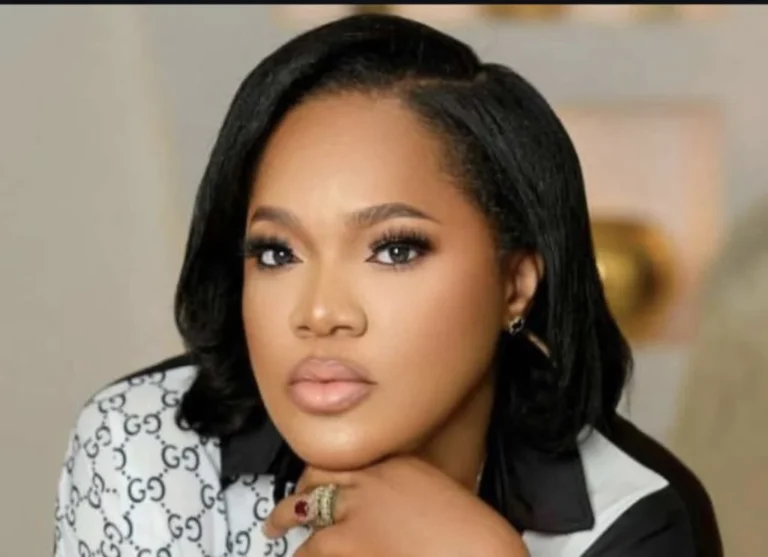
The intersection of the Nigerian entertainment industry and partisan politics has once again taken center stage following renowned filmmaker and actress Toyin Abraham’s public rejection of her appointment to the All Progressives Congress (APC) campaign council in Lagos State. Abraham’s inclusion on the political roster, which was widely circulated by the media team of the Lagos State Deputy Governor, Obafemi Hamzat, quickly drew public attention, prompting an immediate and definitive clarification from the award-winning producer.
This latest development highlights the increasingly complex tightrope walk prominent Nigerian creative artists face when their names are linked to political apparatuses. For Abraham, who has experienced severe digital backlash and polarizing public sentiment over her prior political associations, the swift distancing from the ruling party’s campaign apparatus underscores a deliberate effort to insulate her brand, career, and personal peace from the volatile nature of Nigerian electoral politics.
The Genesis of the Controversy and the Disputed List
The controversy erupted on a Thursday afternoon when the media office of Lagos State Deputy Governor Obafemi Hamzat released an official directory detailing appointments to the entertainment and creative economy directorate of the Lagos State APC campaign council. The directorate, designed to mobilize grassroots support and leverage the massive cultural influence of Nollywood and the broader creative sector, boasted a roster of several high-profile figures from the Nigerian entertainment industry.
At the helm of the directorate is Toke Benson-Awoyinka, a prominent lawyer and public servant, serving as the head. She is flanked by veteran actor Jide Kosoko as co-director, while actress Eniola Badmus was named as deputy director. However, it was the inclusion of Toyin Abraham’s name among the cadre of celebrities slated to drive the committee’s agenda that generated the most significant media interest.
Almost immediately after the list made its rounds across traditional news outlets and social media platforms, Abraham took to her official account on X (formerly Twitter) to categorically refute her involvement. Her statement was unambiguous, leaving no room for speculation regarding her stance on the matter.
"I’m not a member of any campaign council. I have said it recently; I am staying out of politics. Please disregard the supposed inclusion of my name in any campaign committee," Abraham wrote, addressing her millions of followers and the broader public.
A Star-Studded Roster of Industry Heavyweights
While Abraham firmly detached her name from the APC campaign apparatus, the council’s roster reflects the ruling party’s sustained strategic interest in leveraging the star power of the Nigerian entertainment industry. Nollywood actors, veteran filmmakers, and iconic musicians have historically been utilized by political parties during election cycles to boost public engagement, drive voter turnout, and lend cultural legitimacy to political platforms.
The Lagos APC entertainment directorate features a cross-section of the industry, bridging veteran practitioners and contemporary stars. Alongside Benson-Awoyinka, Kosoko, and Badmus, the list includes notable Nollywood figures such as Biola Adebayo, Bimbo Akintola, Yinka Quadri, Foluke Daramola, Abbey Lanre, Fathia Balogun, Adebayo Salami, and Bukky Wright.
Furthermore, the music sector is prominently represented on the committee. Veteran juju and fuji musicians, as well as contemporary street-pop artists, form a core part of the mobilization strategy. Among those named on the document are Adewale Ayuba, Abass Akande Obesere, Saheed Osupa, Sule Alao Malaika, and the popular street-hop artist Small Doctor.
Despite the high-profile nature of her fellow nominees, Abraham’s swift rejection sets her apart from the collective, signaling a sharp departure from the traditional entanglement of celebrity influence and party politics in Nigeria.
Background Context: The Cost of Political Alignment in 2024
To fully understand Toyin Abraham’s vehement refusal to join the campaign council, one must examine the intense public backlash she endured throughout 2024. During the preceding election cycle and its immediate aftermath, Abraham was one of several prominent Nollywood personalities who openly declared and maintained support for President Bola Ahmed Tinubu.
While political expression is a fundamental civic right, the hyper-polarized nature of the Nigerian political landscape often translates public disapproval into aggressive digital campaigns against dissenting celebrities. Following her vocal support for the ruling party, Abraham became the target of sustained cyberbullying, boycotts, and fierce criticism on social media. Critics frequently held the actress accountable for the socio-economic challenges facing the country, conflating her personal political choices with government performance.
The toll of the 2024 controversies proved to be a watershed moment for the filmmaker. Visibly shaken by the vitriol and the potential impact on her decades-long career, Abraham publicly vowed never to reveal her political affiliations or participate in partisan public endorsements again. Her latest declaration regarding the Lagos APC campaign council is, therefore, a direct follow-through on that promise—a calculated defense mechanism designed to protect her artistic output and commercial viability from the toxic crosswinds of partisan politics.
A Pattern of Bureaucratic Overreach or Administrative Miscommunication?
Abraham’s swift disavowal also raises critical questions regarding how names are compiled for political committees and government-backed initiatives in Nigeria. It is not uncommon for political parties to include the names of respected public figures on campaign or advisory lists as a strategic signaling mechanism—sometimes without securing prior, explicit consent from the individuals concerned.
This incident follows a similar occurrence earlier in the year. In April, Abraham’s name appeared on the entertainment committee roster for the National Women Mega Empowerment and Rally 2026, an event organized under the auspices of the Federal Ministry of Women Affairs. While that platform was framed as a developmental and empowerment initiative rather than a partisan political campaign, it nevertheless thrust her name back into the nexus of government-affiliated programs.
The recurring inclusion of her name despite her stated desire to remain neutral suggests a disconnect between political strategists eager to leverage celebrity capital and artists striving to maintain professional independence. By speaking out immediately, Abraham successfully preempted potential narratives that she had quietly re-entered the political arena, asserting total autonomy over her personal brand.
Broader Impact and Implications for Nollywood and Politics
The friction between Toyin Abraham and the Lagos APC campaign council highlights a broader, evolving trend within the Nigerian creative economy. Nollywood and the Nigerian music industry generate billions of naira annually and command immense global respect, functioning as some of the country’s most successful cultural exports. However, when artists become entangled in partisan politics, the commercial and reputational risks can be profound.
-
Brand Vulnerability and Consumer Backlash: Celebrities operate in a consumer-driven marketplace where alienating a significant portion of their fan base can lead to diminished box office returns, loss of lucrative corporate endorsements, and damaged brand equity. Abraham’s retreat from politics reflects a growing realization that partisan alignment often yields diminishing returns compared to maintaining broad, universal appeal.
-
The Weaponization of Celebrity Capital: Political parties in Nigeria have long relied on the cultural cachet of entertainers to bridge the gap between the electorate and the political elite. However, instances where artists publicly reject their inclusion on campaign lists signal a growing pushback against being co-opted for political mileage without explicit, voluntary consent.
-
Redefining Civic Duty vs. Partisan Loyalty: Industry stakeholders are increasingly drawing a sharp line between national development and partisan politics. While many artists are willing to lend their voices to civic education, cultural preservation, and empowerment initiatives, aligning directly with political party structures has become a toxic proposition for a significant segment of the creative community.
Conclusion
Toyin Abraham’s decisive rejection of her nomination to the Lagos State APC campaign council marks a significant moment in the ongoing dynamic between Nigerian celebrities and political power brokers. By drawing a hard line in the sand and reiterating her commitment to staying out of politics, Abraham has reinforced her previous vows to insulate her career from the storms of partisan conflict.
As the political landscape continues to shift ahead of future electoral cycles, Abraham’s stance may well serve as a blueprint for other creative professionals seeking to navigate the delicate balance between public influence and personal peace. For now, the filmmaker remains focused on her craft, determined to let her cinematic contributions—rather than political affiliations—define her legacy in the annals of Nollywood.