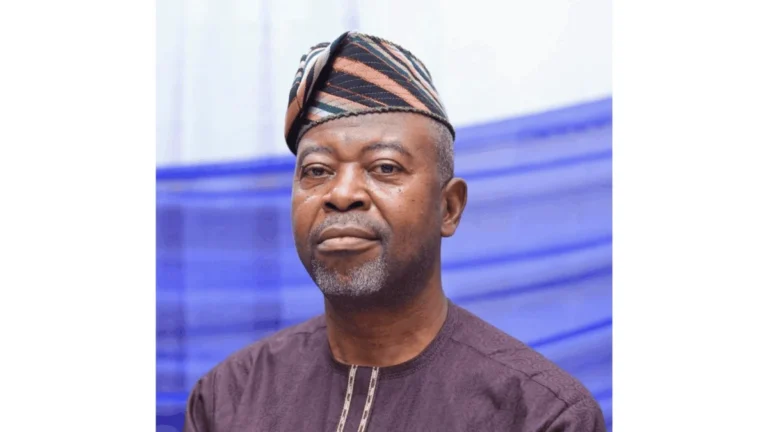
Professor Tunde Akanni, a distinguished scholar of journalism and development communication from Lagos State University (LASU), has been officially inducted as a Fellow of the Society for Peace Studies and Practice (SPSP). The prestigious recognition was bestowed upon him during the society’s milestone 20th International Conference and General Assembly, which convened academics, researchers, and practitioners at Lead City University in Ibadan, Oyo State. The multi-day intellectual gathering, running from October 5 to October 9, 2026, served as a convergence point for thought leaders examining peacebuilding, security architecture, and the role of communication in conflict mitigation across Africa and the wider global south.
The SPSP fellowship serves as a formal acknowledgment of Professor Akanni’s decades-long scholarly output and practical interventions in journalism, conflict-sensitive communication, and development-focused media praxis. Over the years, his academic trajectory has been defined by an unwavering dedication to exploring how the media can transcend mere reportage to become an active instrument for societal healing, conflict prevention, and sustainable development.
Official Commendation from the Federal Competition and Consumer Protection Commission
The recognition has drawn widespread commendation from various sectors of public service and academia, most notably from the Federal Competition and Consumer Protection Commission (FCCPC). Professor Akanni is currently on sabbatical leave at the commission, bringing his wealth of strategic communication expertise to bear on public administration and consumer advocacy.
In an official letter dated October 7, 2026, the FCCPC lauded the fellowship as a well-deserved honor that mirrors his profound scholarly impact. The correspondence was signed by Yisau Adepoju, Head of the Administration Department, acting on behalf of the commission’s Executive Vice Chairman and Chief Executive Officer, Olatunji Bello. The regulatory body emphasized that Professor Akanni’s professional ethos has consistently prioritized conflict-sensitive journalism—a critical subset of development communication known for fostering social cohesion and improving the human condition in developing economies.
"This auspicious milestone is a clear testimony to your laudable scholarly contributions to the field of journalism," the FCCPC stated in its congratulatory message. "As a thoroughbred professional and accomplished academic, you have consistently demonstrated passion and unwavering commitment to the promotion of Conflict-Sensitive Journalism. You have tenaciously identified with this strand of Development Communication that is renowned for fostering sustainable social change and advancing the overall quality of life, particularly in developing nations."
The commission further expressed deep confidence that Professor Akanni would maintain his trajectory of excellence, continuing to enrich both the Nigerian intellectual space and the broader global academic community through his rigorous research and public engagements.
Academic Journey and Institutional Milestones at Lagos State University
Professor Akanni’s path to the upper echelons of Nigerian academia is marked by resilience, continuous learning, and institutional leadership. His formal academic profile identifies his core areas of specialization as Journalism and Development Communications. His foundational doctoral training culminated in a PhD in Media and Conflict Resolution Studies from the premier University of Ibadan, where he deeply interrogated the intersections of media reportage and peacebuilding dynamics.
His journey within the walls of Lagos State University began in 2001 when he joined the Department of Journalism as an Assistant Lecturer. Over the next two decades, he navigated the rigorous demands of academic progression, distinguishing himself through high-impact teaching, administrative competence, and prolific research output. In March 2025, the LASU Governing Council officially approved his promotion to the rank of full Professor of Journalism and Development Communication. Prior to this elevation, he served as an Associate Professor and was the pioneer Director of LASU’s Digital Media Research Centre, where he spearheaded initiatives examining the evolving digital media landscape and its societal implications.
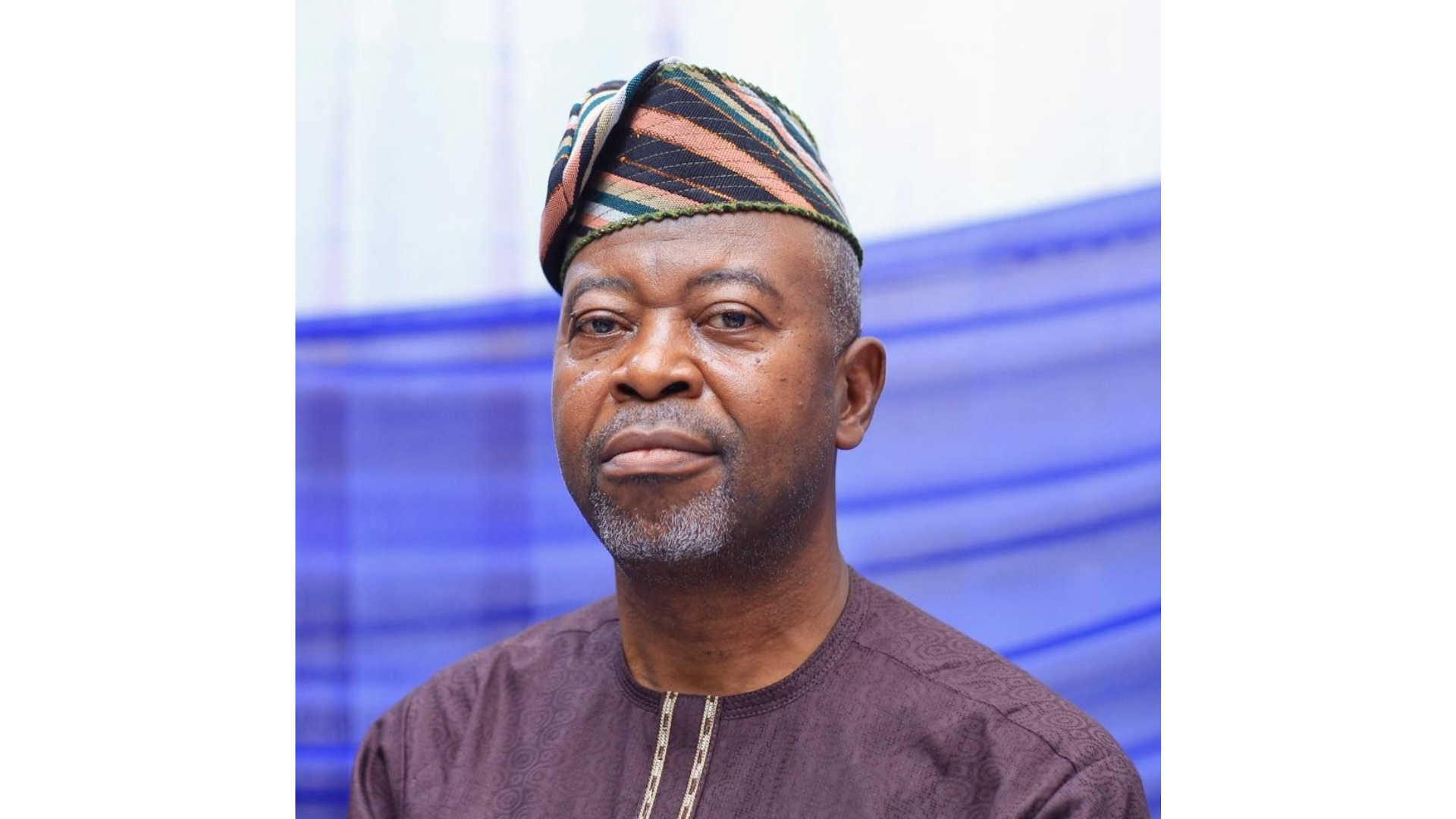
Beyond his immediate departmental responsibilities within LASU’s Faculty of Communication and Media Studies, Professor Akanni has continually expanded his pedagogical horizons through international fellowships and specialized training programs. His intellectual pursuits have taken him to some of the world’s most renowned institutions of higher learning, including Columbia University in the United States, the University of Leicester in the United Kingdom, and the Institute of Social Studies in The Hague, Netherlands. His academic excellence has also been validated by prestigious international awards; he is both a British Chevening Scholar and a recipient of the Netherlands NUFFIC Fellowship, credentials that have significantly shaped his global perspective on media ethics and governance.
Activism, Print Journalism, and Civil Society Roots
Before cementing his legacy in the halls of academia, Professor Akanni cut his teeth in the trenches of Nigerian print journalism during some of the nation’s most turbulent political epochs. His early career saw him work with prominent national newspapers, including The Punch and the National Concord, where his sharp reporting and analytical depth earned him rapid advancement, eventually seeing him serve as the Acting Features Editor for the Concord titles.
The mid-1990s presented profound challenges for Nigerian journalism, marked by military dictatorship and intense crackdowns on independent media houses. Following the controversial proscription of Concord publications by the military regime in 1994, Professor Akanni transitioned into civil society and human rights advocacy. He assumed the role of Head of Campaigns at the Civil Liberties Organisation (CLO), one of Nigeria’s foremost human rights vanguards at the time. In this capacity, he worked alongside other pro-democracy activists to resist authoritarian rule, champion free expression, and advocate for democratic governance—experiences that fundamentally shaped his lifelong commitment to social justice and media freedom.
Research Interests and Contemporary Scholarly Focus
In contemporary times, Professor Akanni’s research portfolio spans a diverse array of subjects critical to modern media ecosystems. His scholarly inquiries are not confined to traditional print and broadcast frameworks; rather, they aggressively interrogate contemporary shifts in global communication. His primary research interests encompass journalism practice, media ethics, development communication, political communication, media and conflict, and strategic communication.
Furthermore, as the global media industry grapples with technological disruptions, Professor Akanni has positioned himself at the forefront of investigating the impact of artificial intelligence on media systems. His writings and lectures frequently explore how emerging technologies influence newsrooms, alter the dissemination of information, and affect the psychological and political fabric of developing societies. Whether writing analytical opinion pieces on national infrastructure and public safety—such as his notable commentaries on Nigerian highways—or publishing peer-reviewed papers on conflict resolution, his work consistently bridges the gap between theoretical communications scholarship and actionable societal solutions.
Broader Implications of the SPSP Recognition
The conferment of the Society for Peace Studies and Practice fellowship on Professor Akanni carries significant implications for the fields of peacebuilding and media scholarship in Nigeria. In a national and regional context frequently plagued by multifaceted security challenges—ranging from farmer-herder conflicts and insurgency to political polarization—the nexus between communication and peace has never been more critical.
Experts note that reckless media reportage can inadvertently exacerbate social tensions, ignite violence, and deepen ethnic or religious divides. Conversely, conflict-sensitive journalism—the very doctrine championed by Professor Akanni—equips reporters with the analytical tools to de-escalate tensions, amplify marginalized voices, and promote dialogue over division. By recognizing a scholar who has dedicated his career to refining this specialized field, the SPSP has underscored the indispensable role of the media in national security and peace architecture.
As Professor Akanni adds this latest distinction to his impressive CV, academic and professional circles anticipate that the honor will further energize his advocacy for ethical, development-oriented media practices. His ongoing contributions at the FCCPC, combined with his academic leadership at Lagos State University, continue to demonstrate the profound value of integrating rigorous academic research with practical, policy-driven public service for the advancement of sustainable peace and national development.