The landscape of the Russia-Ukraine conflict is shifting toward a fragile diplomatic horizon, with both Kyiv and Moscow signaling a tentative readiness to engage in a new round of trilateral negotiations slated for October. The effort, spearheaded by United States envoys Steve Witkoff and Jared Kushner, represents the most significant push for a breakthrough since the inconclusive discussions held in Abu Dhabi and Geneva earlier this year. While the willingness to talk is shared, the fundamental chasm between the warring parties—centered on sovereignty, territorial integrity, and the physical survival of Ukraine’s energy grid—remains as wide as ever.
A Chronology of Stalled Diplomacy and Escalation
The path to this potential October summit has been defined by a cycle of combat and diplomatic maneuvering. Following the abrupt conclusion of the January and February 2026 talks, which stalled due to irreconcilable differences over eastern territories, the conflict intensified on both the battlefield and in the geopolitical arena.
Throughout the spring and summer of 2026, the war evolved into a grueling war of attrition. Russia expanded its use of advanced, high-speed jet-powered drones, complicating Ukraine’s air defense efforts, which were already straining under a dwindling supply of interceptor missiles. By July, Ukraine shifted its strategy, launching deep-strike operations against Russian energy and fuel infrastructure in an effort to compel the Kremlin to consider a negotiated settlement. These strikes, while strategically significant, drew sharp rebuke from global markets and key Western figures, including former U.S. President Donald Trump, who publicly urged Kyiv to refrain from targeting Russia’s diesel fuel supply, citing the broader economic impact on global energy prices.
By the first week of September, the arrival of Witkoff and Kushner in Kyiv and Moscow marked a renewed American commitment to mediation. This visit set the stage for current discussions, with Kremlin spokesman Dmitry Peskov acknowledging that a meeting in the "foreseeable future" was no longer ruled out by Moscow. Simultaneously, Kyrylo Budanov, head of the Ukrainian president’s office, confirmed that preparations are currently underway for a resumption of talks in October.
Territorial Disputes and the Limits of Compromise
At the heart of the negotiation deadlock is the intractable issue of territory. Despite nearly three years of sustained conflict, Vladimir Putin remains steadfast in his territorial ambitions, which extend beyond the lands currently occupied by Russian forces. According to Jared Kushner’s remarks at the Yalta European Strategy (YES) conference on September 12, the Russian President has explicitly outlined the boundaries he seeks to secure. While the U.S. envoy suggested that a deal could potentially be structured if Ukraine were to withdraw to those lines, he acknowledged that such a concession remains a red line for Kyiv.
Public sentiment within Ukraine complicates any potential for territorial concessions. Data from a summer 2026 poll conducted by the Kyiv International Institute of Sociology (KIIS) reveals that approximately 60% of Ukrainians support a ceasefire along the current frontline—provided it is accompanied by robust, binding security guarantees. However, this same majority explicitly rejects ceding territory that Russia has failed to occupy. Only 33% of respondents expressed support for relinquishing territory to meet Russian demands. This domestic pressure limits the maneuverability of the Zelenskyy administration, which has consistently maintained that the future of Ukraine’s borders can only be decided by the heads of state, not negotiating teams.
The Strategic Dilemma: Energy and Economic Warfare
The approaching winter looms as a primary driver of urgency for the upcoming talks. In 2025, systematic Russian attacks on Ukraine’s power grid resulted in prolonged blackouts and humanitarian crises during the coldest months. As the 2026 winter approaches, Economy Minister Oleksandr Kravchenko has warned of a "very difficult" period, citing the cumulative damage to critical infrastructure.
Ukraine’s strategy of targeting Russian energy facilities has been framed by its leadership as a necessary lever to force Russia toward a ceasefire. Jonathan Powell, the United Kingdom’s National Security Adviser, recently characterized this escalation not as a diplomatic failure, but as a "sign of success" in compelling a reluctant aggressor to the table. Conversely, the Kremlin has labeled these actions as the opening of a "Pandora’s box," further hardening its rhetoric.
Amidst this, a confusing diplomatic signal emerged regarding an "energy truce." On September 14, Donald Trump claimed via social media that both nations had agreed to cease attacks on energy infrastructure. However, as of mid-September, neither Kyiv nor Moscow has formally confirmed the existence of such a bilateral agreement, highlighting the precarious nature of information flow in this conflict.
Perspectives on a Path Forward
Political analysts suggest that while a comprehensive peace deal remains distant, limited agreements may be more achievable. Volodymyr Fesenko, a Kyiv-based political scientist, argues that a deal concerning grain exports via the Black Sea is within reach, as both nations face significant economic losses from the current naval and port blockades.
"In the Black Sea, both Ukraine and Russia are facing major problems," Fesenko noted. "Both sides have a stake in the matter."
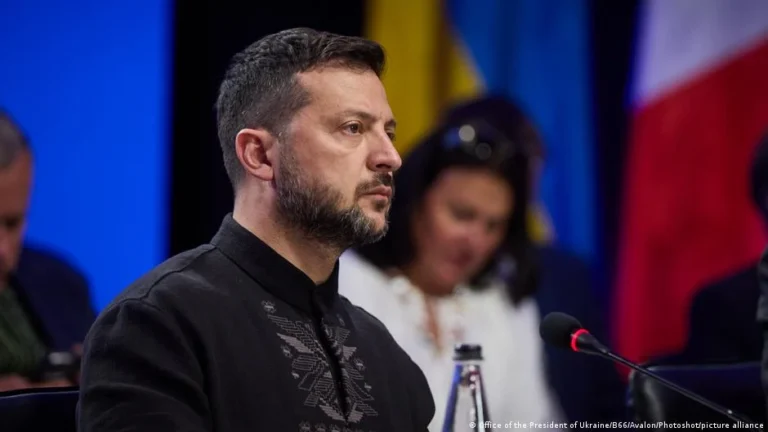
Conversely, an energy-sector truce remains far more complex. Putin’s leverage over Ukraine’s heating and electricity grid is a strategic asset he is unlikely to relinquish without substantial concessions. Furthermore, the Kremlin has shown a marked lack of interest in direct, high-level engagement with President Volodymyr Zelenskyy. Recent reports indicate that Moscow is prioritizing potential future dealings with U.S. political figures, viewing them as the primary arbiters of the conflict’s end. The Kremlin has already dismissed the possibility of a Zelenskyy-Putin meeting at the G20 summit in Miami this December, signaling that the Russian leadership currently prefers to negotiate within the context of a wider U.S.-Russia-Ukraine framework rather than through direct bilateral diplomacy.
The Role of Western Mediation and Military Parity
The effectiveness of the October talks will likely depend on the degree of parity on the battlefield. Analysts point out that negotiations are rarely successful in the absence of a relative balance of power. Currently, the conflict remains locked in a stalemate on the front lines, though Russia holds a distinct advantage in the air war. Without a surge in Western-provided interceptors and air defense systems, Ukraine faces a challenging winter of attrition.
The Western coalition, led by the United States and the United Kingdom, continues to walk a fine line. They are tasked with providing sufficient support to ensure Ukraine can hold its position, while simultaneously attempting to de-escalate the conflict to prevent a wider conflagration. As Jonathan Powell emphasized at the Yalta conference, the West must "keep its foot on the gas" to force a serious negotiation, yet the definition of "success" remains a point of contention between Washington, London, and Kyiv.
Implications for the Coming Months
As October approaches, the international community is bracing for a high-stakes diplomatic effort. The success of these talks will likely be measured by incremental progress: the potential reopening of grain corridors, a temporary reduction in air strikes on civilian infrastructure, or the establishment of a more stable, monitored line of contact.
However, the fundamental questions remain: Can a ceasefire be maintained without a final political settlement? Can the international community provide security guarantees that satisfy the Ukrainian public’s demand for sovereignty? And, most importantly, is there any room for compromise on the territorial integrity of a nation that has spent years fighting to preserve it?
For now, the focus remains on the upcoming meetings. Whether these discussions represent a genuine movement toward a durable peace or merely a brief pause in a multi-year struggle remains to be seen. What is clear is that the eyes of the world, and the survival of the Ukrainian state, depend on the ability of the parties to translate these signals of readiness into substantive, enforceable outcomes. As the temperatures begin to drop and the winter season looms, the pressure to secure a path toward de-escalation has never been higher.