The United States and Iran signaled a cautious but significant step forward on Saturday, indicating progress toward a framework agreement designed to resolve a nearly three-month-long standoff that has gripped the Middle East and sent ripples across global energy markets. This diplomatic overture comes in the wake of escalating tensions triggered by a series of US and Israeli attacks on Iranian targets and Iran’s subsequent closure of the vital Strait of Hormuz, a critical chokepoint for global oil shipments. International mediators, working tirelessly behind the scenes, have reported that both sides are inching closer to a workable de-escalation plan, a development welcomed by a world anxious to avert a wider regional conflagration. The prospect of a diplomatic breakthrough, however fragile, offers a glimmer of hope in a period defined by heightened military posturing and economic warfare.
A Glimmer of Hope Amidst High Stakes
The renewed optimism stems from statements issued by high-ranking officials from both Washington and Tehran, although each conveyed their positions with characteristic caution and underlying warnings. US President Donald Trump, speaking to CBS News, articulated a sense of growing momentum, stating that the two nations were "getting a lot closer" to finalizing a deal. While he refrained from divulging specific details of the proposed plan, Trump expressed confidence, remarking that "every day it gets better and better." This positive assessment was, however, tempered by a more hawkish tone in a separate interview with Axios, where he assessed the chance of an agreement as a "solid 50/50," simultaneously issuing a stark warning that he would "blow them to kingdom come" if negotiations were to fail. This duality in Trump’s rhetoric underscores the volatile nature of the diplomatic tightrope being walked, reflecting both a desire for a resolution and a readiness to resort to force if talks falter.
Earlier on the same day, US Secretary of State Marco Rubio provided a slightly more subdued assessment, acknowledging "slight progress" in the ongoing negotiations. Speaking during a visit to India, Rubio hinted at potential imminent announcements, suggesting that "there might be some news a little later today," or perhaps within "a couple of days." Like President Trump, Secretary Rubio also refused to rule out the resumption of US military actions against Iran should the diplomatic path prove to be a dead end, a position consistent with the administration’s "maximum pressure" strategy. This stance highlights the precariousness of the current diplomatic window and the ever-present threat of renewed conflict.
From Tehran, Iranian Foreign Ministry spokesman Esmaeil Baqaei offered a parallel narrative of advancement, telling state broadcaster IRIB that Iran was in the "final stages of drafting a framework for a deal." However, Baqaei emphasized that a comprehensive, final accord would necessitate a more extended period of deliberation. He projected a timeline of "30 to 60 days" for the details of the framework points to be discussed and a final agreement to be concluded. Crucially, Baqaei underscored that "major gaps" still persist between the two sides. A non-negotiable demand from Tehran’s perspective, he stated, was the inclusion of an end to the US blockade of the Strait of Hormuz within the framework agreement. This blockade, implemented since late February, has severely crippled Iran’s oil exports, which constitute the primary source of revenue for the Islamic Republic, inflicting significant economic hardship.
A central point of contention remains the future of Iran’s nuclear program. Secretary Rubio reiterated persistent US demands for Tehran to hand over its stockpiles of highly enriched uranium, a material linked to Iran’s controversial nuclear ambitions. Baqaei, however, firmly insisted that discussions pertaining to nuclear issues would not be part of the initial framework deal, signaling a significant hurdle that will need to be addressed in subsequent negotiations, if not immediately.
The Strategic Chokepoint: Strait of Hormuz at the Core
The closure of the Strait of Hormuz has been a defining feature of the current standoff, transforming a regional dispute into a matter of global economic concern. This narrow waterway, situated off Iran’s coast, is an unparalleled strategic chokepoint, through which approximately one-fifth of the world’s oil and gas exports from the wider Gulf region typically transit. Its effective shutdown since late February has had immediate and profound consequences on global energy markets. Oil prices, which surged dramatically at the initial outbreak of hostilities and the subsequent closure, have remained elevated, threatening global economic stability and contributing to inflationary pressures worldwide.
The economic toll of the blockade on Iran has been particularly severe. The inability to export oil has deprived the Iranian government of billions of dollars in revenue, exacerbating an already strained economy grappling with years of international sanctions. Tankers and container vessels, once a constant presence in the strait, have been largely stranded or forced to reroute, causing significant disruptions to global supply chains and increasing shipping costs.
Amidst the diplomatic maneuvering, the Financial Times reported on Saturday, citing sources close to the mediators, that both sides were nearing an agreement on extending the current ceasefire, which originally commenced on April 8, for an additional 60 days. Crucially, this reported deal would also include a phased and gradual reopening of the Strait of Hormuz. Such a development would not only ease the immediate economic pressure on Iran but also provide a much-needed injection of stability into global energy markets, potentially leading to a moderation of oil prices. However, the intricacies of such a reopening, including security guarantees and monitoring mechanisms, remain subject to intense negotiation.
Behind the Diplomatic Curtain: The Role of Mediators
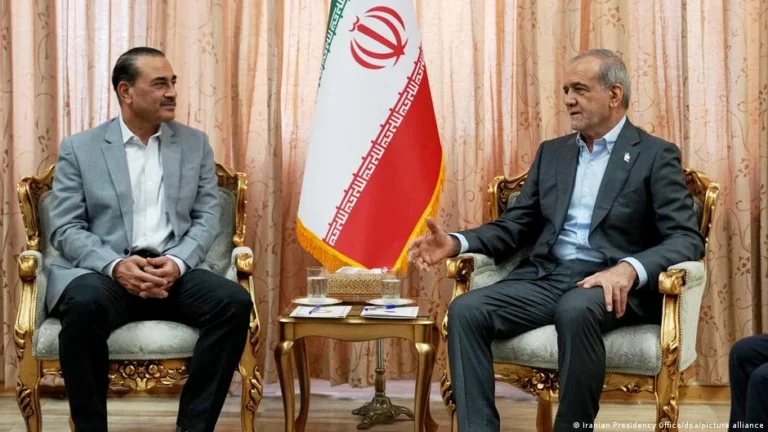
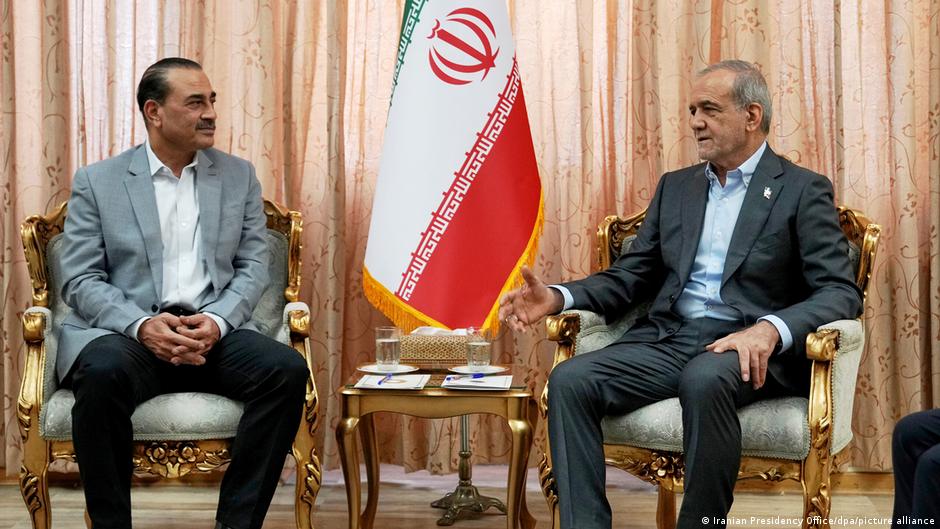
The delicate progress achieved thus far is largely attributable to the tireless efforts of international mediators, with Pakistan emerging as a particularly pivotal player. The renewed optimism from both Washington and Tehran came mere hours after Pakistan’s powerful army chief, Field Marshal Asim Munir, concluded a series of "highly productive" talks with Iranian leaders in Tehran. A statement from the Pakistani army confirmed the constructive nature of these engagements, underscoring Islamabad’s crucial role.
Pakistan has been at the forefront of the diplomatic push, leading negotiations that initially facilitated the pause in the conflict and subsequently focused on the complex task of reopening the Strait of Hormuz. Islamabad’s geographical proximity to the Gulf, its historical ties with both the US and Iran, and its strategic regional influence have positioned it as a credible and effective intermediary. The international community has largely supported these mediation efforts, recognizing that a protracted conflict in the Gulf would have catastrophic consequences far beyond the immediate region. The growing global pressure to avert a wider regional conflict has provided additional impetus for both the US and Iran to engage seriously with these diplomatic initiatives.
A Chronology of Escalation and De-escalation Efforts
The current standoff, which began in earnest in late February or early March, followed a period of escalating tensions. Reports of US and Israeli attacks on Iranian targets, believed to be in retaliation for alleged Iranian provocations or proxy actions in the region, sparked the initial crisis. These attacks, while details remain somewhat opaque, prompted Iran to respond by closing the Strait of Hormuz, effectively weaponizing its geographical position to exert pressure on the international community and its adversaries.
The initial days of the conflict saw a rapid build-up of military assets by both sides, raising fears of an all-out war. Global oil prices soared, and shipping routes were severely disrupted. The international community, led by various diplomatic efforts, quickly moved to de-escalate the situation. A crucial turning point was the establishment of a ceasefire on April 8, which provided a much-needed pause in hostilities and opened a window for negotiations.
Since then, indirect and direct communications, often facilitated by intermediaries like Pakistan, have been ongoing. Field Marshal Munir’s visit to Tehran this week, following weeks of shuttle diplomacy, appears to have been instrumental in bridging some of the remaining gaps. The cancellation of US President Trump’s plans to attend his son’s wedding on Friday, citing "circumstances pertaining to government," further fueled speculation that talks had reached a sensitive, potentially breakthrough stage. This move, interpreted by some as a sign of impending major developments, either diplomatic or military, contributed to the heightened anticipation preceding Saturday’s announcements.
Iranian Foreign Ministry spokesman Baqaei’s projection of a 30-to-60-day timeline for a final agreement, coupled with the Financial Times‘ report of a 60-day ceasefire extension and gradual Hormuz reopening, indicates a phased approach to de-escalation, allowing time for intricate details to be ironed out.
Underlying Tensions and The Nuclear Question
The current crisis is not an isolated incident but rather the latest chapter in a long and complex history of antagonism between the United States and Iran. Decades of distrust, rooted in the 1979 Iranian Revolution, the hostage crisis, and subsequent geopolitical rivalries, have consistently fueled tensions. The US withdrawal from the Joint Comprehensive Plan of Action (JCPOA), commonly known as the Iran nuclear deal, in 2018, and the re-imposition of crippling sanctions, significantly exacerbated these tensions. This move led to Iran gradually reducing its commitments under the deal, including increasing uranium enrichment, further escalating concerns about its nuclear program.
The "US and Israeli attacks on Iran" mentioned in the article likely refer to a series of reported cyberattacks, drone strikes, or other covert operations targeting Iranian nuclear facilities, military sites, or proxy groups, which have been a feature of the shadow war between the two nations and their allies for years. These actions, often undeclared and shrouded in secrecy, contribute to a pervasive sense of insecurity and a cycle of retaliation.
The enduring nuclear conundrum remains a formidable obstacle to any comprehensive, long-term resolution. The US insistence on Iran handing over highly enriched uranium and curbing its nuclear activities, juxtaposed with Iran’s refusal to link these issues to the immediate de-escalation framework, highlights a fundamental divergence. For Iran, the nuclear program is a matter of national sovereignty and perceived strategic deterrence, while for the US and its allies, it represents a proliferation risk. Any framework agreement that does not adequately address these underlying nuclear concerns may only offer a temporary reprieve rather than a lasting peace.
Implications for Regional Stability and Global Markets
The potential framework agreement carries profound implications for both regional stability and global markets. In the immediate term, a successful de-escalation would significantly reduce the risk of a broader regional conflict, which could draw in multiple actors and destabilize the entire Middle East. The Gulf region, a vital artery for global commerce and energy, has been on edge for months, and any step towards peace would be met with widespread relief.
Economically, the reopening of the Strait of Hormuz would be a major boon for global trade and energy security. The normalization of oil shipments would likely lead to a decrease in global oil prices, offering relief to consumers and industries worldwide. For Iran, the ability to resume oil exports would be an economic lifeline, alleviating the severe pressure on its economy and potentially easing domestic unrest stemming from economic hardship. This could also pave the way for broader economic engagement and investment, although this would likely be contingent on further diplomatic progress.
Geopolitically, a successful resolution mediated by countries like Pakistan could demonstrate the efficacy of diplomacy even in the most intractable conflicts. It could also signal a potential shift in US foreign policy in the region, perhaps moving towards a more pragmatic engagement with Iran, albeit under strict conditions. However, the role of hardliners in both Washington and Tehran, as well as the interests of regional allies and adversaries, will continue to exert influence on the trajectory of any agreement. Iran’s chief negotiator, Mohammad Bagher Ghalibaf, underscored this delicate balance by vowing a "crushing" response should Trump engage in "another act of folly," asserting that Iran’s armed forces had been rebuilt during the initial ceasefire, indicating a readiness for confrontation if diplomacy fails.
The Road Ahead: Fragile Peace and Persistent Challenges
While the signals from Washington and Tehran are encouraging, the path to a comprehensive and lasting agreement remains fraught with challenges. The "major gaps" acknowledged by Iran, particularly regarding the nuclear program and the scope of sanctions relief, will require sustained and difficult negotiations. The trust deficit between the two nations, built over decades of animosity, is deep and will not be easily overcome.
The "Plan B" mentioned by Secretary Rubio to NATO foreign ministers, in case talks fail, underscores the fragility of the current diplomatic efforts. The threat of renewed military action, from both sides, looms large, serving as a constant reminder of the high stakes involved. Any misstep or perceived provocation could quickly unravel the progress made.
Furthermore, the implementation of a framework agreement, particularly one involving a gradual reopening of Hormuz and a phased approach to other contentious issues, will require robust verification mechanisms and mutual commitment. The duration of the ceasefire, if extended, will be crucial in building confidence and allowing time for more detailed discussions on the core issues that divide the two nations.
In conclusion, the declared progress towards a framework agreement between the United States and Iran represents a significant, albeit tentative, step away from the brink of a wider conflict. Driven by intense global pressure and painstaking diplomatic efforts, this development offers a fragile hope for de-escalation and the restoration of stability in a volatile region. However, the intricate details, the deep-seated distrust, and the enduring geopolitical rivalries ensure that the road ahead will be long, arduous, and subject to constant challenges. The world watches anxiously as diplomacy navigates these treacherous waters, hoping that the glimmer of progress can be solidified into a durable peace.