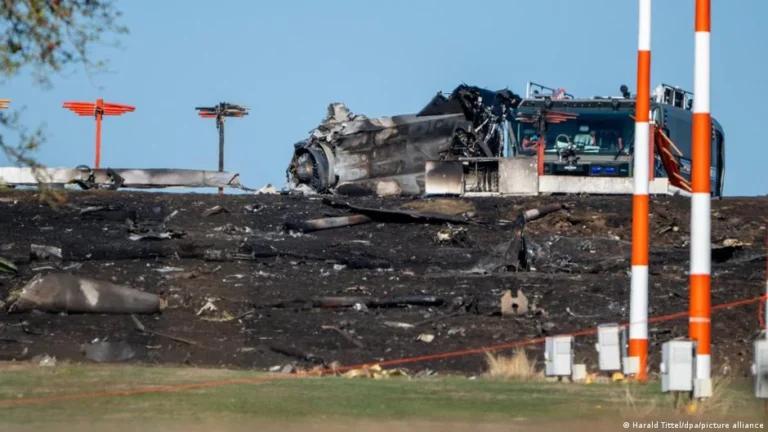
The tranquil skies over the Eifel region of western Germany were disrupted on Tuesday afternoon when a United States Air Force F-16 Fighting Falcon assigned to the 52nd Fighter Wing suffered a catastrophic failure, resulting in a crash near the Spangdahlem Air Base. The incident, which occurred at approximately 2:30 p.m. local time (12:30 UTC), triggered an immediate and large-scale emergency response from both American military assets and local German civil authorities. While the exact technical cause of the crash remains shrouded in mystery pending a formal military investigation, officials have confirmed that the pilot successfully ejected from the aircraft before impact and is currently undergoing medical evaluation.
Chronology of the Incident
The emergency sequence began mid-afternoon on Tuesday. According to reports from the Eifel District of Bitburg-Prüm, the alarm was raised shortly after the aircraft began experiencing difficulties during a routine training sortie. The pilot, whose identity remains protected under standard military protocol, initiated the ejection sequence as the aircraft became uncontrollable.
Local emergency services were alerted at approximately 2:40 p.m., within ten minutes of the reported crash time. First responders from the surrounding municipalities were dispatched to the impact site, which is located in a rural, sparsely populated area near the base. By 3:30 p.m., the site had been secured by the US military, and a perimeter was established to facilitate the work of the Accident Investigation Board (AIB). The swift arrival of medical teams ensured that the pilot was transported for observation, and while one person on the ground sustained injuries during the event, authorities have noted that the situation was contained without further loss of life.
The Role of Spangdahlem Air Base
Spangdahlem Air Base is far more than a mere airfield; it is a linchpin of NATO’s collective defense strategy in Europe. Established in the early 1950s during the height of the Cold War, the facility has evolved into one of the most sophisticated tactical fighter installations on the continent. It serves as the primary garrison for the 52nd Fighter Wing, which provides the United States and its NATO allies with a rapid-response capability to project air power across the European theater.
The base is currently home to an F-16 fighter jet squadron, typically consisting of approximately 20 aircraft. These jets are highly versatile, capable of performing air-to-air combat, precision ground-strike missions, and electronic warfare. The strategic importance of the base is underscored by its proximity to the Luxembourg border and its location north of Trier, placing it within a critical corridor of European airspace management. With approximately 5,000 military and civilian personnel—complemented by a local German workforce of nearly 800 individuals—the base functions as a small, highly integrated city, serving as a vital employer and security anchor for the Rhineland-Palatinate region.
Technical Context and Historical Safety Data
The F-16 Fighting Falcon, produced by Lockheed Martin, is one of the most successful fighter platforms in aviation history. Since its introduction in the late 1970s, the aircraft has logged millions of flight hours globally. However, like any complex machine operating at the extreme limits of performance, the F-16 is subject to mechanical wear and the inherent risks of aerial maneuvering.
Statistically, the F-16 maintains a strong safety record, though incidents occur periodically. When a crash occurs, the Air Force typically convenes a two-tier investigative process. The first is a Safety Investigation Board (SIB), which focuses on preventing future accidents by identifying mechanical, environmental, or human factors. The second is an Accident Investigation Board (AIB), which is tasked with the public release of findings regarding the cause and legal liability. Analysts often look for patterns in these crashes, such as engine fatigue, bird strikes, or software malfunctions, though officials have cautioned that until the "black box" flight data recorder is analyzed, any speculation regarding the cause of Tuesday’s incident is premature.
Official Responses and Coordination
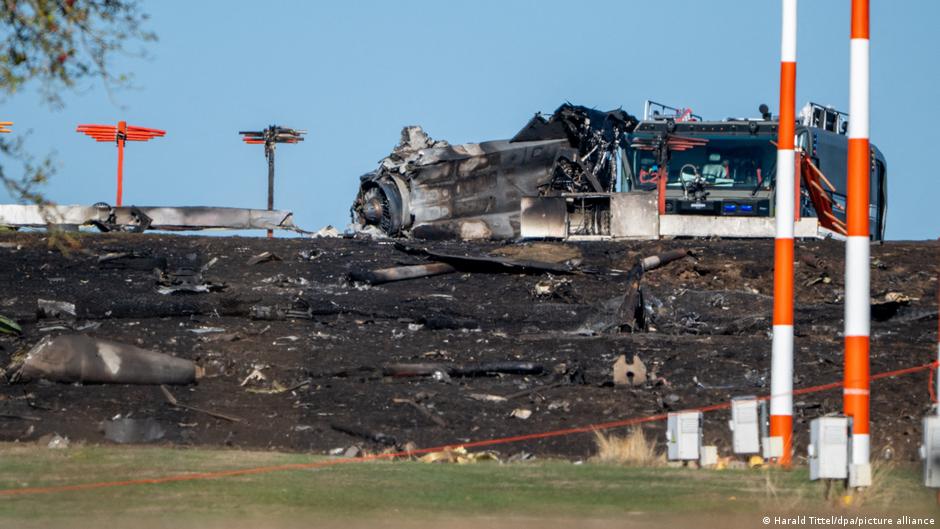
The response to the crash highlighted the deep integration between US military forces and local German emergency agencies. The Eifel District administration issued a brief statement confirming that their fire and rescue teams had reached the scene, noting the complexity of dealing with both a crash site and the potential for unspent ordnance or hazardous chemicals associated with a fighter jet.
"Following a plane crash in the vicinity of US Air Base Spangdahlem, fire and emergency response teams from the Eifel District of Bitburg-Prüm were dispatched to the scene," the district stated on its official web portal. They further emphasized that for the duration of the investigation, detailed comments regarding the nature of the crash would be restricted to ensure the integrity of the military inquiry.
The 52nd Fighter Wing’s public affairs office confirmed the status of the pilot in a concise statement: "The pilot ejected safely and is receiving medical care. Our primary concern is the well-being of our personnel and the safety of the local community." The military is expected to continue its cleanup efforts at the crash site over the coming days, involving specialized teams tasked with recovering sensitive components and ensuring no environmental contamination occurs in the surrounding farmland.
Broader Implications for NATO and Regional Security
The crash serves as a stark reminder of the risks inherent in maintaining a high-readiness posture. As NATO continues to bolster its Eastern Flank in response to shifting geopolitical dynamics in Europe, the operational tempo for squadrons stationed at bases like Spangdahlem and Ramstein has increased. Regular training exercises are essential to maintain pilot proficiency and the interoperability of allied air forces.
However, such accidents can lead to temporary groundings of the specific airframe fleet. The Air Force may choose to conduct "safety stand-downs," where all F-16s of a similar configuration are inspected for the specific failure point identified in the Spangdahlem crash. While this temporarily reduces the number of available assets, it is a standard procedure to ensure the long-term safety of the pilot corps.
Furthermore, the incident highlights the ongoing necessity of the Status of Forces Agreement (SOFA) between the United States and Germany. This legal framework governs the conduct and operations of US troops on German soil and facilitates the cooperation seen on Tuesday. The smooth coordination between the German police, local fire departments, and US military police underscores the strength of the partnership between the two nations, even in the face of a crisis.
Conclusion and Outlook
As the dust settles in the Eifel region, the focus of the 52nd Fighter Wing will shift toward recovery and analysis. The loss of a multi-million dollar F-16 is a significant material setback, but the survival of the pilot is viewed by the military as the most successful outcome possible under the circumstances. The investigation into the incident will likely take several months, and its findings will contribute to the global database of aviation safety, potentially informing future modifications to the F-16 fleet.
For the residents of the Rhineland-Palatinate, the crash is a rare but sobering reminder of the proximity of military operations to civilian life. As the base returns to its standard training schedule, the focus will remain on transparency and the continued commitment to both operational readiness and the safety of the local communities that host these critical NATO assets. The incident remains a developing story, with the military promising to provide updates once the initial phase of the investigation concludes.