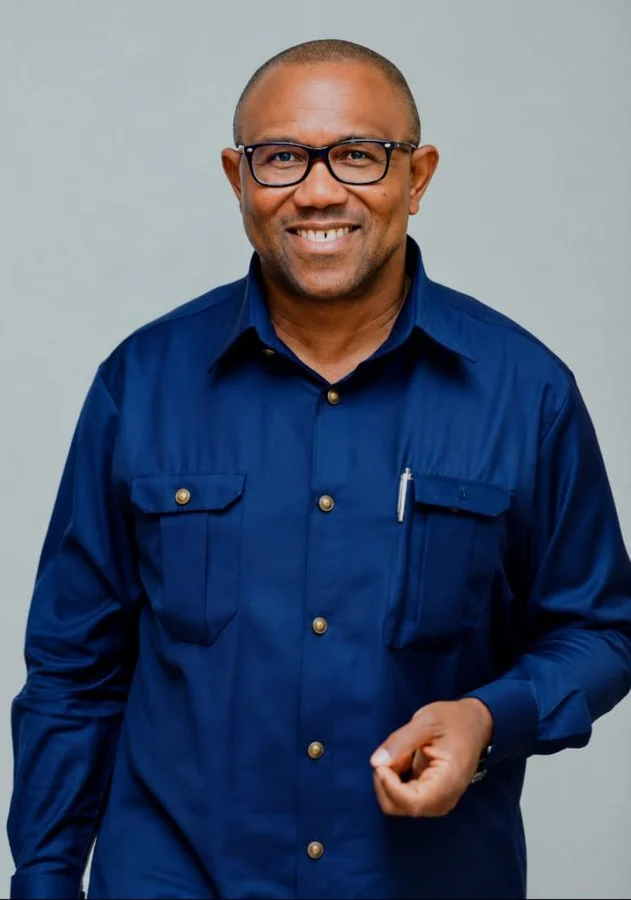
In a decisive move to outline his economic manifesto ahead of the 2027 general elections, the presidential candidate of the Nigeria Democratic Congress (NDC), Peter Obi, has formally pledged to reinstate the petroleum subsidy, conditional upon the systemic eradication of corruption within the nation’s energy sector. Addressing a large gathering at a town hall meeting in Sokoto State on Monday, September 28, 2026, the former Anambra State governor argued that the prevailing economic hardship faced by citizens is not an inherent flaw of subsidies themselves, but rather a direct consequence of institutionalized graft.
The event, which served as a platform for the joint Obi-Kwankwaso presidential ticket, signaled a pivot in the opposition’s strategy as the race for the presidency intensifies. Obi’s pronouncement comes at a time when the Nigerian economy is grappling with volatile inflation, a depreciating currency, and the lingering socio-economic repercussions of the total removal of fuel subsidies. By linking the restoration of this policy to a comprehensive anti-corruption drive, Obi is positioning his potential administration as one that seeks to balance fiscal sustainability with social welfare.
The Logic Behind the Subsidy Reinstatement
During his address in Sokoto, Obi offered a blunt assessment of Nigeria’s economic architecture. "People are talking about subsidy, but what it is really all about is corruption," Obi stated. His argument rests on the premise that the astronomical costs associated with the fuel subsidy regime in previous administrations were inflated by rent-seeking behavior, smuggling, and the manipulation of supply chain logistics.
According to Obi, the government currently lacks the transparency required to manage petroleum pricing effectively. By cleaning up the supply chain—specifically targeting the Nigerian National Petroleum Company Limited (NNPCL) and downstream monitoring agencies—he believes the state can reclaim enough revenue to fund a re-introduced subsidy that directly benefits the poor, rather than enriching intermediaries.
Contextualizing the 2027 Political Landscape
The joint ticket of Peter Obi and his running mate, Rabiu Kwankwaso, has gained significant traction in the northern and southern regions alike, positioning the NDC as a formidable third force against the incumbent political establishment. The Sokoto town hall was strategically significant, as the state represents a crucial voting bloc in Nigeria’s northwestern geopolitical zone, an area heavily impacted by security challenges and agricultural disruptions.
The 2027 electoral cycle is expected to be one of the most competitive in the nation’s history. Analysts note that by focusing on subsidy restoration, Obi is tapping into the populist sentiment of the electorate, who have seen transportation costs and the prices of essential goods skyrocket since the removal of the subsidy. However, the proposal faces scrutiny from market economists who worry about the fiscal burden such a move could place on an already debt-ridden national treasury.
Economic Implications and Policy Challenges
The restoration of a petroleum subsidy is a complex macroeconomic issue. Historically, the subsidy regime became a fiscal albatross, with Nigeria spending trillions of naira annually—often exceeding the budgets for health and education combined—to maintain artificially low pump prices.
To make his proposal viable, Obi suggests that the savings gained from "plugging the holes of corruption" would offset the cost of the subsidy. This requires a radical overhaul of the petroleum importation and distribution framework. Fact-based analysis suggests that if an administration successfully eliminates the subsidy fraud—often attributed to the "under-recovery" claims by oil marketers—the government could theoretically save between 20% to 30% of its current energy expenditure. Whether these savings would be sufficient to keep petrol prices at a subsidized rate remains a point of intense debate among financial experts.
Strategic Priorities: Education and National Security
Beyond the contentious issue of fuel subsidies, Obi reiterated his administration’s "triad of priority": unity, security, and education. He described these as the foundational pillars upon which his governance model, anchored on "care and service to Nigerians," would be built.
Obi’s focus on education is particularly notable. He emphasized that the development of human capital is the only sustainable path to long-term economic growth. By proposing to prioritize education funding, he aims to address the high rate of out-of-school children and the systemic decline in the quality of tertiary education in Nigeria.
Furthermore, the candidate outlined an ambitious infrastructure plan centered on an integrated railway network. By connecting state capitals, he intends to facilitate the seamless movement of goods and agricultural produce, thereby reducing post-harvest losses and lowering the cost of logistics—an essential step toward curbing food inflation.
Reactions and Broader Public Sentiment
The announcement has sparked a flurry of reactions across the political spectrum. Proponents of the NDC ticket have praised the policy as a "pro-people" approach, arguing that it addresses the immediate survival needs of the common man. Conversely, skeptics and supporters of the current administration argue that the move is regressive and could potentially return the nation to the fiscal instability of the pre-reform era.
"The challenge is not just the corruption within the subsidy regime, but the global volatility of crude oil prices," noted an economist at a Lagos-based think tank. "If the international price of oil spikes, the burden of a reinstated subsidy could quickly become unsustainable, regardless of how much corruption is eliminated. The policy must be backed by a long-term plan for domestic refining capacity."
The Road to 2027: A Timeline of Governance Concerns
The discourse surrounding the subsidy is not new. The history of this policy in Nigeria can be summarized through several key phases:
- 2012: Nationwide protests erupted following an abrupt attempt to remove fuel subsidies, leading to a temporary reversal of the policy.
- 2023: The incumbent administration announced the total removal of fuel subsidies, citing the need to end the fiscal drain on the national budget.
- 2024–2025: Nigeria experienced a record-high inflation rate, with fuel prices climbing to unprecedented levels, significantly impacting the cost of living.
- September 2026: Peter Obi formally adopts the reinstatement of the subsidy as a central pillar of his 2027 presidential campaign platform, linking it to systemic anti-corruption measures.
Strategic Infrastructure and Regional Integration
Obi’s vision for an integrated railway network is aimed at regional economic integration. By linking state capitals, he proposes that the government can reduce the reliance on road haulage, which is currently the most expensive and dangerous method of transportation for goods in Nigeria. This infrastructure development is intended to work in tandem with his economic plan, ensuring that the benefits of the fuel subsidy—should it return—are not eroded by high logistical costs.
Conclusion: A Vision for Reform
As the 2027 election cycle approaches, Peter Obi’s promise to bring back the subsidy serves as both a political tool and a test of his economic philosophy. By framing the issue through the lens of corruption, he is attempting to distinguish his approach from the failed policies of the past.
However, the efficacy of this plan will ultimately depend on his administration’s ability to implement deep, structural reforms in the energy sector. As he noted during his closing remarks in Sokoto, national reform is a "collective civic responsibility." Whether the Nigerian electorate will entrust him with the mandate to execute these sweeping changes will be determined at the polls in the coming year. For now, the proposal stands as a clear indicator of the direction the NDC intends to take the nation, prioritizing immediate relief for the citizenry while promising a more transparent and accountable management of national resources.