The intersection of global pop culture and municipal leadership produced an unexpected digital phenomenon when Grammy-nominated Nigerian recording artist Ayra Starr and New York City Mayor Zohran Mamdani crossed paths during a private engagement in Manhattan. The unexpected link-up, first documented on Starr’s official social media channels, immediately dominated online discourse, bridging the gap between contemporary African music dominance and North American local politics.
The meeting, characterized by an informal yet polished aesthetic, underscores the increasing cultural capital held by African artists on the global stage. As Afrobeats continues to expand its footprint across Western markets, high-profile collaborations and interactions between musical icons and political figures have become increasingly emblematic of the genre’s mainstream integration.
The Encounter and Visual Narrative
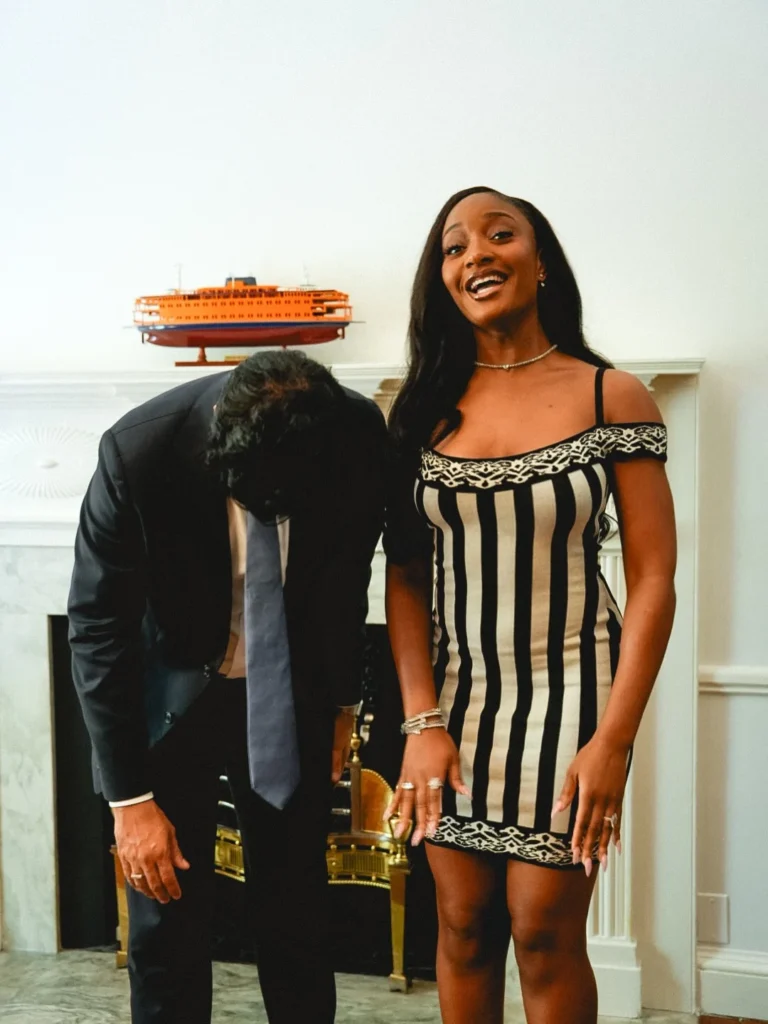
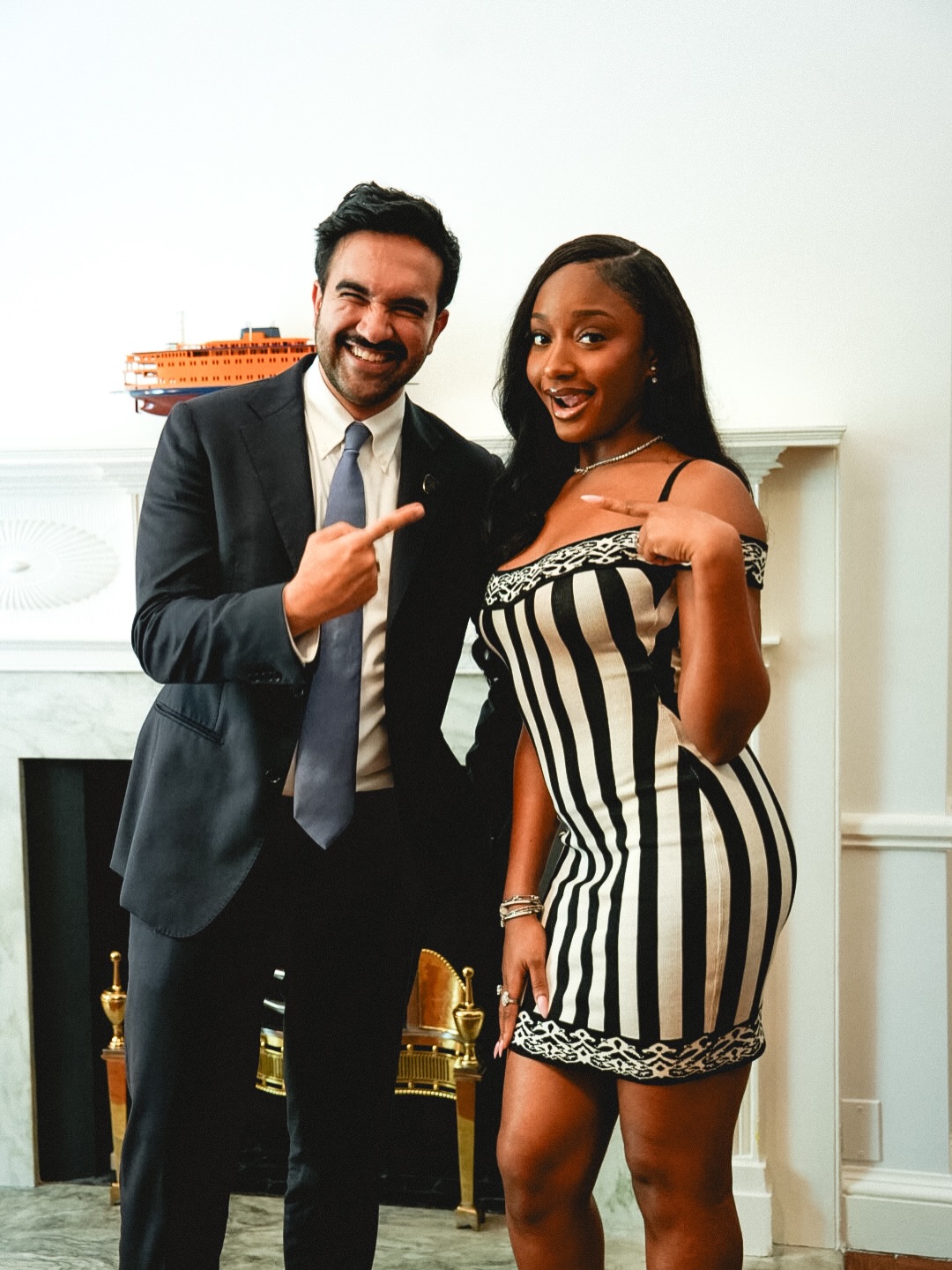
The meeting took place in a warmly lit, minimalist interior setting featuring a classic white fireplace mantel adorned with a distinctive orange model of the Staten Island Ferry—a subtle nod to New York City’s municipal identity. Visual documentation shared by the artist captured a relaxed dynamic that stood in stark contrast to traditional, heavily staged political photocalls.
Ayra Starr, widely recognized for her distinct fashion sense and cultural moniker as the "Sabi Girl," wore a bodycon knit mini dress featuring vertical black-and-cream stripes, an off-the-shoulder silhouette, and geometric detailing along the neckline. Her ensemble was accented with understated accessories, including a delicate tennis necklace, silver bangles, and soft, cascading waves framing her face.
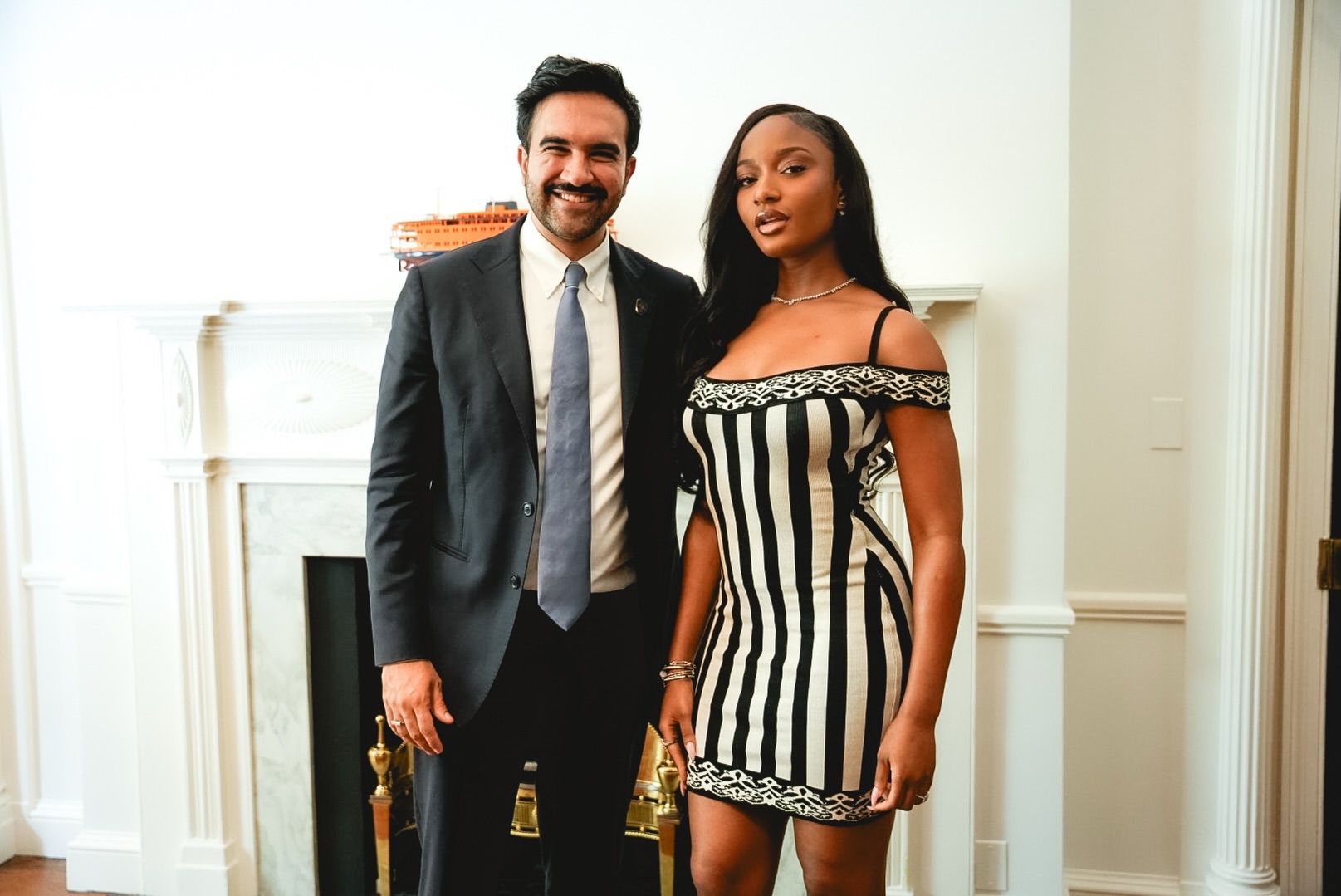
Mayor Zohran Mamdani appeared in a tailored dark suit, complemented by a crisp white dress shirt and a slate-blue tie. Rather than maintaining formal postures, the pair were captured sharing lighthearted, candid moments. One widely circulated photograph depicts Mamdani laughing genuinely as he leans toward the singer, while another shows both figures playfully pointing at the camera with wide smiles. The absence of strict protocol transformed a routine civic meeting into a viral cultural moment, prompting widespread engagement from international fans and political observers alike.
Chronology of Events and Digital Reception
The sequence of events began with the unannounced meeting in New York City, followed shortly by the publication of the photographs on Instagram. Starr captioned the post simply: "Mr Mamdani," accompanied by a handshake and a globe emoji. The brevity of the caption left followers to speculate on the nature of the engagement, fueling a rapid escalation in digital traffic.
Within hours, the comment section transformed into a vibrant cross-section of global fandom and civic commentary. Supporters flooded the post with humorous and appreciative remarks, highlighting the cultural weight of the crossover. One follower jokingly requested that Starr "give us a freestyle" from the mayor, while another quipped, "NYC belongs to Ayra now, sorry Mr. Mayor." Other comments leaned into the artist’s musical catalog, with references to late-night New York aesthetics and the ongoing global dominance of the Afrobeats genre.
The speed at which the post accumulated engagement illustrates the symbiotic relationship between modern political figures and social media-driven pop culture. By engaging with prominent international artists, public officials can tap into younger, highly digitized demographic cohorts, while artists simultaneously reinforce their global reach and cultural relevance outside the traditional confines of the music industry.
Broader Context of Afrobeats and Civic Integration
The meeting between Starr and Mamdani is not an isolated incident but rather part of a broader trend of cultural diplomacy. Over the past decade, Afrobeats has transitioned from a regional West African genre to a dominant global force, filling arenas across North America, Europe, and Asia. Major artists such as Burna Boy, Wizkid, Tems, and Ayra Starr regularly find themselves mingling with foreign dignitaries, political leaders, and international tastemakers.
New York City, as a global capital of finance, fashion, and entertainment, frequently serves as the backdrop for these high-profile intersections. For a municipal leader like Mamdani, engaging with internationally renowned artists reflects an acknowledgment of New York’s diverse cultural ecosystem, which heavily incorporates West African diasporic communities and influences.
Furthermore, cultural touchstones like this meeting carry economic and diplomatic implications. Tourism boards, city officials, and cultural attachés increasingly recognize that popular musicians act as informal ambassadors for their home nations. When an artist of Ayra Starr’s caliber highlights a visit to New York City, it reinforces the city’s status as a premier destination for international creative talent, while simultaneously amplifying the global visibility of Nigerian youth culture.
Implications and Future Outlook
While neither Starr’s representatives nor the Mayor’s office has announced any formal upcoming collaborations or joint civic initiatives, the meeting has successfully set a precedent for future interactions between municipal governance and the creative sector. As popular culture becomes increasingly decentralized, traditional boundaries separating politics, entertainment, and fashion continue to dissolve.
The viral success of the New York link-up demonstrates the potent public appetite for unexpected cultural crossovers. Whether the encounter leads to institutional partnerships or remains a memorable footnote in contemporary pop culture history, it highlights a shifting paradigm where artists command levels of global influence that frequently intersect with—and occasionally overshadow—traditional political diplomacy.