The political landscape in Rivers State has been thrust into a state of heightened volatility following allegations of a coordinated assault on members of the African Democratic Congress (ADC) in the Elele community of Ikwerre Local Government Area. Chizy Enyi, the Publicity Secretary for the ADC in Rivers State, has formally accused local political actors of deploying state-sanctioned violence to intimidate opposition members, further escalating the fragile security situation in the region as Nigeria approaches the 2027 general election cycle.
The incident, which reportedly occurred on the night of November 21, 2026, involved the destruction of private property belonging to Hon. Emeka Woke. According to Enyi, this act of vandalism was not an isolated criminal event but rather the culmination of long-standing political hostilities in Ikwerre LGA. Enyi further alleged that the perpetrators were individuals who had recently returned from Kogi State, claiming they had undergone “spiritual fortification” to enhance their efficacy in suppressing political opposition ahead of the upcoming electoral contests.
Chronology of the Elele Disturbance
The tension in Elele did not manifest overnight. According to reports from local stakeholders, the environment in Ikwerre LGA has been increasingly polarized over the past several months. The timeline of the most recent escalation began on Saturday evening when reports surfaced regarding the destruction of property.
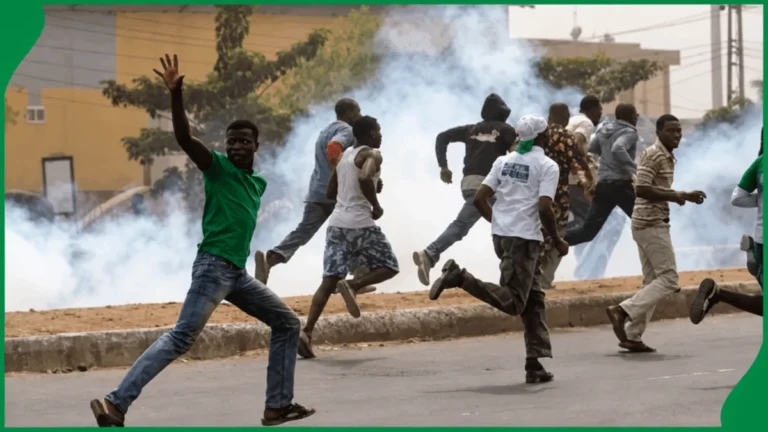
By the early hours of Sunday, November 22, the situation had deteriorated further. Enyi stated that beyond the initial damage to Hon. Woke’s residence, additional physical assets, including canopies and other campaign-related equipment, were set ablaze. Enyi has explicitly linked these actions to previous public threats allegedly made by Samuel Nwanosike, a prominent political figure in the area, although these claims remain part of an ongoing dispute that has yet to be verified by independent investigative bodies.
The most contentious aspect of the aftermath involves the intervention of local law enforcement. According to the ADC, instead of apprehending the individuals responsible for the destruction of property, the Divisional Police Officer (DPO) of the Elele Police Station reportedly issued orders for the arrest of the victims themselves. The police allegedly justified these arrests by citing an existing court order, a claim that the ADC leadership has vehemently challenged as a misapplication of legal process to provide a veneer of legitimacy to political persecution.
The Context of Political Violence in Rivers State
Rivers State has historically served as a high-stakes theater for Nigerian politics, characterized by intense competition between dominant factions. The proximity to the 2027 general elections has exacerbated these existing fissures. Political analysts observe that the use of non-state actors—often referred to as "thugs"—to disrupt the activities of opposition parties is a recurring theme in the state’s political history.
The mention of "spiritual fortification" in Kogi State—a region that has also faced scrutiny for its own history of election-related violence—adds a layer of cultural and social complexity to the narrative. In many Nigerian political contexts, such allegations are used to frame the intimidation tactics as part of a larger, systemic strategy to instill fear in the electorate and ensure total dominance of a specific locality by the incumbent or dominant political party.
Analysis of the Security Implications
The failure of state security agencies to remain impartial in the face of political conflict poses a significant threat to the democratic process. When police departments are perceived as extensions of political entities, the public’s trust in the electoral process diminishes. In this instance, the ADC’s claim that security operatives are actively aiding the aggressors suggests a breakdown in the chain of command or a compromised local security apparatus.
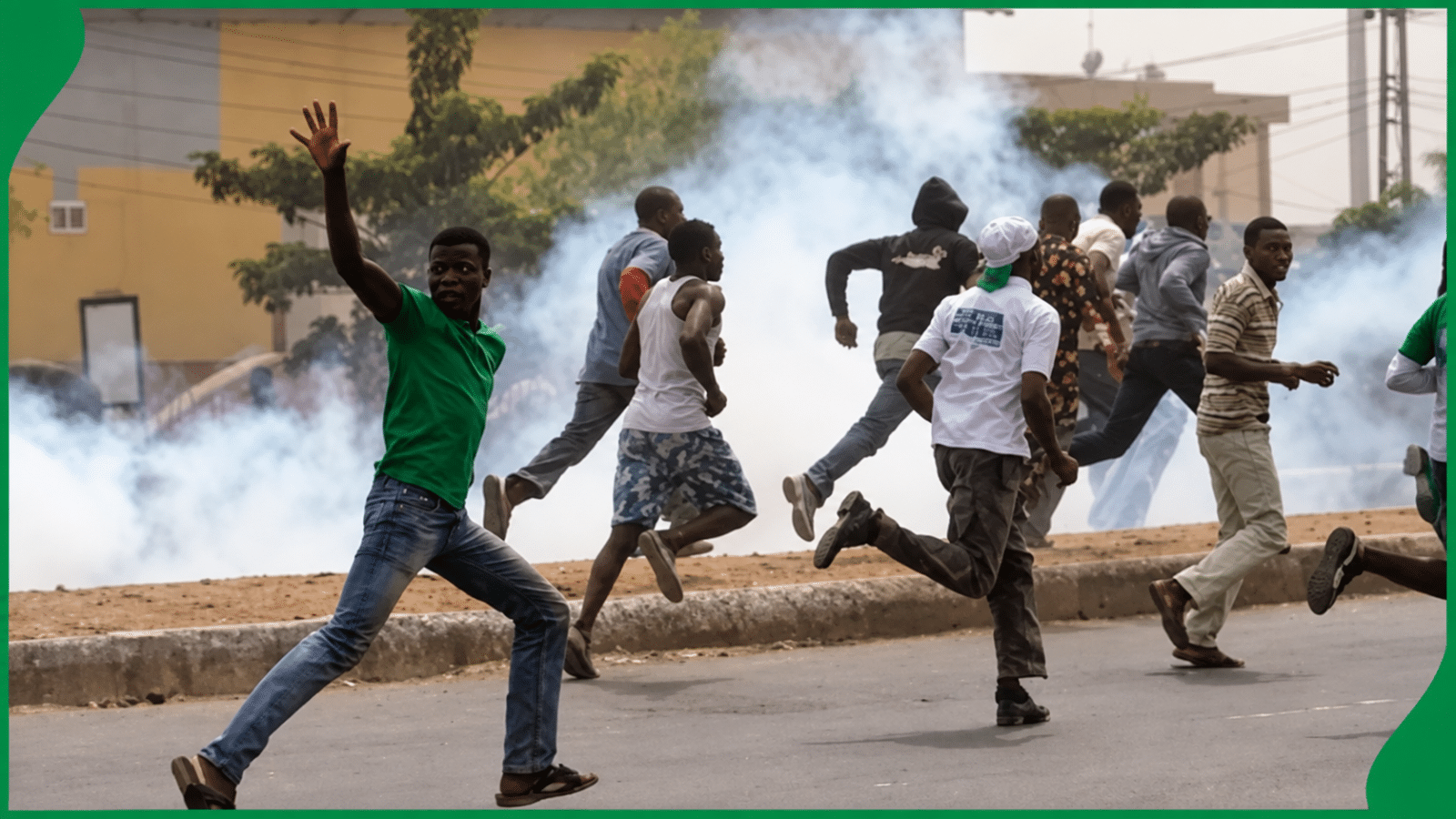
The implications of this incident extend beyond the borders of Ikwerre LGA. If political violence remains unchecked, it risks creating a "no-go zone" for opposition candidates, effectively disenfranchising voters and ensuring that the 2027 elections in the area lack the necessary conditions for a free and fair contest. Furthermore, the escalation from verbal threats to the destruction of property serves as a precursor to more severe forms of physical violence, which could destabilize the entire state if not addressed by the State Commissioner of Police and the Inspector General of Police.
Official Responses and Institutional Silence
As of the evening of November 22, 2026, the Rivers State Police Command has maintained a policy of silence regarding the specific allegations leveled by the ADC. The absence of an official statement from the Command or the state government has left a vacuum of information, which is currently being filled by partisan narratives from both the ADC and its political rivals.
Under the Nigerian Police Act, the primary duty of the police is the protection of lives and property, as well as the maintenance of public order without bias. The allegations that the DPO in Elele is selectively enforcing a court order to target political rivals warrant a thorough, transparent investigation by the state’s top police brass. Without such an inquiry, the perception of bias will continue to undermine the authority of the police force in Ikwerre.
Broader Impact on the 2027 Election Cycle
The 2027 general elections are expected to be the most competitive in recent memory. The events in Elele serve as a microcosm of the challenges facing the Independent National Electoral Commission (INEC) and the security agencies. If political parties are unable to campaign safely, the legitimacy of the outcome will be called into question.
For the ADC, the incident is a test of its resilience and its ability to mobilize legal and political support. For the ruling party in the state, the incident highlights the difficulty of managing internal dissent and the danger of allowing local political actors to operate outside the confines of the law.
Legal experts suggest that if the ADC’s claims of unlawful arrest are substantiated, it could form the basis for a constitutional challenge. However, the immediate priority for stakeholders in Rivers State remains the restoration of order and the protection of civil liberties. Human rights groups and election monitors are likely to keep a close watch on the situation in Ikwerre, as it sets the tone for the level of political tolerance expected in the lead-up to the national polls.
Moving Forward: De-escalation Strategies
To prevent a repeat of this violence, several steps are necessary:
- Independent Investigation: The Rivers State Commissioner of Police should launch an immediate, neutral investigation into the events in Elele, specifically looking into the conduct of the DPO.
- Stakeholder Dialogue: A peace committee comprising local leaders, religious figures, and representatives of the major political parties should be convened to lower the temperature of political rhetoric.
- Adherence to the Electoral Act: All parties must commit to the provisions of the Electoral Act, which strictly prohibits the use of thugs and the destruction of opponent campaign materials.
- Judicial Review: The court order cited by the police should be made public and reviewed to determine if it is being used in good faith or as a weapon for political vendetta.
The incident in Elele is a sobering reminder that democracy is not merely about the casting of ballots; it is about the right to organize, campaign, and express dissent without the fear of retribution. As the nation watches, the actions of the Rivers State authorities in the coming days will be a critical indicator of whether the state is committed to a peaceful electoral process or if it is destined to slide back into the cycle of violence that has plagued its political history.