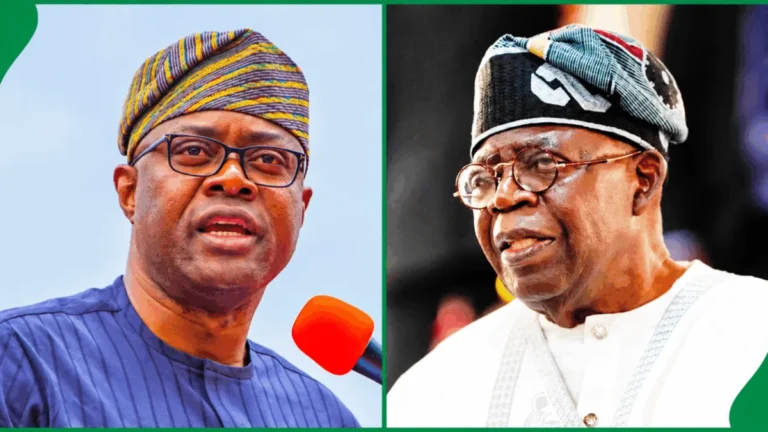
The political atmosphere in Nigeria reached a fever pitch this weekend as President Bola Tinubu, currently seeking re-election, made a pointed critique of opposition elements during a high-stakes campaign rally at the historic Mapo Hall in Ibadan, Oyo State. The President’s remarks, delivered on Saturday, November 21, 2026, targeted emerging political factions, specifically those aligned with Oyo State Governor Seyi Makinde, who is mounting a challenge against the incumbent administration under the banner of the Allied Peoples Movement (APM).
The rally, which served as the seventh stop on President Tinubu’s national campaign tour, underscored the intensifying rivalry between the All Progressives Congress (APC) and the growing coalition of opposition forces coalescing around Governor Makinde. While the President did not explicitly name the Governor or the APM, his direct reference to a group he dubbed the "Pala-mo" (Pack up) faction left little room for ambiguity regarding his stance on the shifting political landscape in the Southwest.
The Context of the 2027 Presidential Challenge
Governor Seyi Makinde, a prominent figure in Nigerian politics, has officially accepted the nomination of the APM to contest the 2027 presidential election. His platform, which centers on a pledge to "reset" the Nigerian governance model, has positioned him as a significant alternative to the current administration. The inclusion of Ibrahim Bala as his running mate on the Independent National Electoral Commission (INEC) portal further formalizes his candidacy, signaling that the opposition is moving beyond rhetoric into active electoral mobilization.
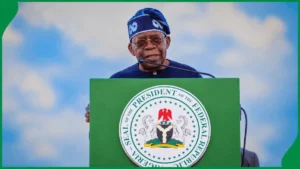
The President’s comments were delivered to a crowd of supporters at Mapo Hall, a venue chosen for its historical significance in the socio-political development of Ibadan. In his address, President Tinubu characterized the opposition’s efforts as futile, suggesting that the "Pack up" faction lacks the structural depth or political momentum required to unseat the ruling APC. "We heard there is a certain group/faction called the ‘Pala-mo’ (Pack up) group," Tinubu stated. "Don’t mind them; they are only waiting in vain; there is nowhere they are going."
Chronology of the 2026 Campaign Trail
The 2027 election cycle has been marked by early and aggressive campaigning. President Tinubu’s campaign officially commenced on October 24, 2026, in Kaduna. Since then, the President has traveled extensively to shore up support across Nigeria’s diverse geopolitical zones. The following timeline outlines the key stages of the campaign leading up to the Ibadan event:
- October 24, 2026: Official launch of the re-election campaign in Kaduna.
- Early November 2026: Intensification of cross-party maneuvering as minor parties, including the APM, solidified their presidential tickets.
- November 20, 2026: A tragic boat accident occurred in Ukubie, Southern Ijaw Local Government Area of Bayelsa State, prompting a national period of mourning.
- November 21, 2026: President Tinubu arrives in Ibadan for the seventh rally of the campaign, which was conducted in a "low-key" manner as a gesture of respect for the victims of the Bayelsa tragedy.
Balancing Tragedy and Politics
The Ibadan rally was notably subdued. In light of the boat accident in Bayelsa, which resulted in the loss of several lives, President Tinubu issued a directive that the rally proceed without the usual fanfare. This decision reflects the delicate balance political leaders must maintain during election cycles, where the necessity of campaigning often clashes with the gravity of national tragedies. By opting for a toned-down event, the President sought to demonstrate empathy while ensuring that his political message remained visible to the electorate in a key battleground state like Oyo.
Political Analysis: The Significance of Oyo State
Oyo State remains a vital theater in Nigerian politics. Historically, it has served as a bellwether for national sentiment, particularly in the Southwest. Governor Makinde’s decision to pursue the presidency via the APM represents a strategic shift. By distancing himself from larger, established opposition structures, Makinde is attempting to craft a "third-way" narrative. However, political analysts suggest that the challenge of defeating a sitting President, who controls the machinery of the ruling party, is immense.
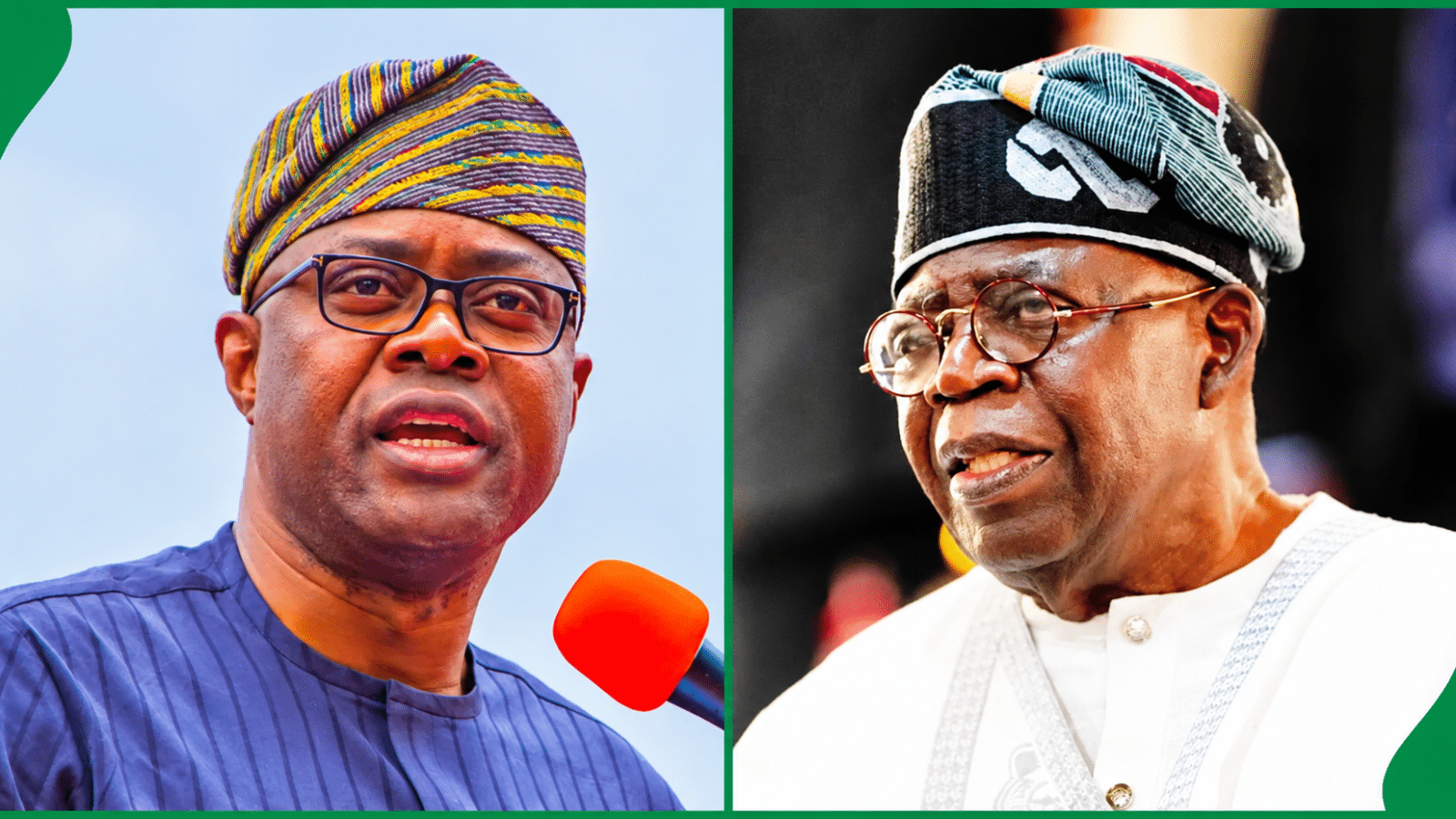
The President’s dismissive rhetoric toward the APM is viewed by many as an attempt to prevent the "third-way" narrative from gaining traction among undecided voters. By labeling the movement as a group that will inevitably "pack up," the APC is attempting to frame the opposition as a temporary disruption rather than a viable alternative.
Implications for the 2027 General Election
The upcoming 2027 election is shaping up to be a test of political durability versus reformist aspirations. The APC’s core argument rests on continuity and the completion of ongoing infrastructural and economic reforms. Conversely, candidates like Governor Makinde are betting on the electorate’s desire for a fundamental reset of the nation’s socio-economic trajectory.
The Independent National Electoral Commission (INEC) has already begun the process of vetting candidates, and the inclusion of various parties on the electoral portal indicates that the ballot will be crowded. This fragmentation could potentially work in favor of the incumbent, as opposition votes may be split among several smaller parties.
Official Reactions and Public Discourse
While there has been no official statement from the office of Governor Makinde in direct response to the President’s "Pack up" remark, members of the APM have maintained that their movement is growing. Supporters of the Governor argue that his track record in Oyo State—specifically regarding infrastructure and local governance—provides a template for the national reset he promises.
Conversely, APC stalwarts argue that the President’s message in Ibadan was a necessary rallying cry for the base. They contend that the opposition is attempting to capitalize on temporary economic difficulties without offering a realistic, comprehensive plan for national development.
Looking Ahead: The Road to 2027
As the campaign season progresses, the rhetoric from both sides is expected to sharpen. The use of historic venues like Mapo Hall serves as a reminder of the gravity of the contest. For President Tinubu, the strategy appears to be one of confidence, projecting the image of a leader who is unfazed by emerging challengers. For the opposition, the goal remains to bridge the gap between regional popularity and national reach.
The tragedy in Bayelsa and the subsequent adjustments to the campaign schedule serve as a sobering reminder that, despite the high-stakes political maneuvering, the government must continue to address the immediate safety and security concerns of the citizenry. As the country moves closer to the 2027 polls, the interplay between national security, economic performance, and political rhetoric will likely define the final outcome.
With the seventh rally now concluded, the President is expected to continue his tour across the remaining geopolitical zones. Political observers will be closely monitoring how the President’s comments in Ibadan influence the dynamics in the Southwest, a region that remains critical to the electoral math of any presidential contender. The coming months will prove decisive as the candidates transition from initial campaign launches to the more grueling phase of grassroots outreach and debate.