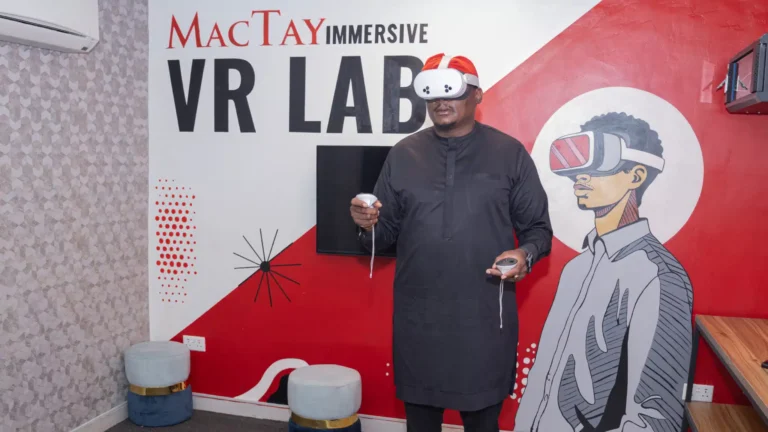
The landscape of emergency medical services in Lagos is undergoing a profound technological shift as over 300 first responders from the Lagos State Ambulance Service (LASAMBUS) have successfully completed advanced training utilizing immersive virtual reality (VR) simulations. This initiative, led by MacTay, a long-standing human resources consulting firm now pivoting toward deep-tech solutions, represents a significant milestone in Nigeria’s efforts to integrate Fourth Industrial Revolution technologies into public safety and essential service delivery. By placing trainees in a hyper-realistic digital twin of the Lekki-Ikoyi link bridge—one of the city’s most iconic and traffic-dense landmarks—the program allows emergency professionals to navigate life-threatening scenarios without the logistical risks or costs associated with physical drills.
The shift toward immersive learning comes at a critical time for Lagos, a megacity with a population exceeding 20 million people and a complex urban infrastructure that presents unique challenges for emergency services. Traditional training methods, which often rely on classroom-based theory or infrequent, expensive physical simulations, have historically struggled to prepare responders for the high-pressure, chaotic environments of real-world accidents. Through the use of VR goggles and haptic feedback controllers, MacTay has bridged this gap, providing a scalable solution that prioritizes "repetition without risk."
The Strategic Pivot: From HR Consulting to Technology-Driven Solutions
MacTay’s involvement in VR training marks a significant evolution for the company. Founded over 40 years ago as a traditional HR and management consulting firm, the organization is currently undergoing a structural transformation to become a technology-first entity. Tunde Rotimi, MacTay’s Head of Strategy and Innovation, notes that the company is transitioning from an HR firm using technology to a technology company deploying HR and human capital solutions. This transition is centered on the concept of "precision AI" and immersive technologies designed to augment the human workforce rather than replace it.
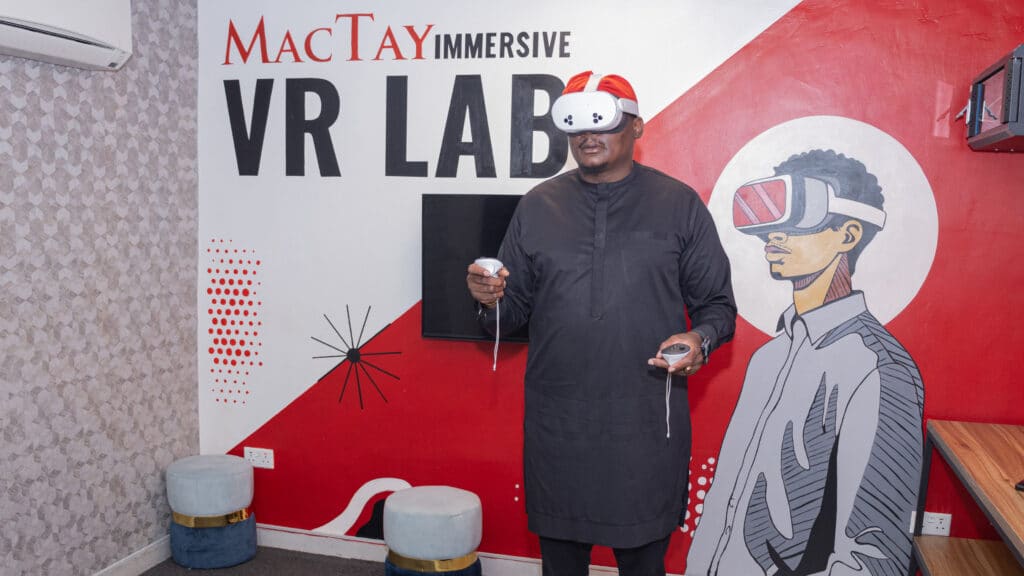
The VR training program was birthed under the "Better Lagos Initiative," a strategic framework focused on delivering low-cost, high-impact, and technology-driven solutions to the state’s most pressing social challenges. The initiative recognizes that in a rapidly urbanizing environment like Lagos, traditional infrastructure-heavy solutions may be too slow to implement. Digital simulations, conversely, offer a way to upgrade the skills of the workforce at a fraction of the cost and time.
Simulating the Lekki-Ikoyi Link Bridge: A Case Study in Immersive Preparedness
The choice of the Lekki-Ikoyi link bridge for the VR simulation was intentional and data-driven. As a major artery connecting two of the city’s primary economic hubs, the bridge is frequently the site of high-speed traffic and, consequently, complex vehicular accidents. Recreating this environment physically for training purposes would require closing down major roads, disrupting the city’s economy, and incurring massive logistical expenses.
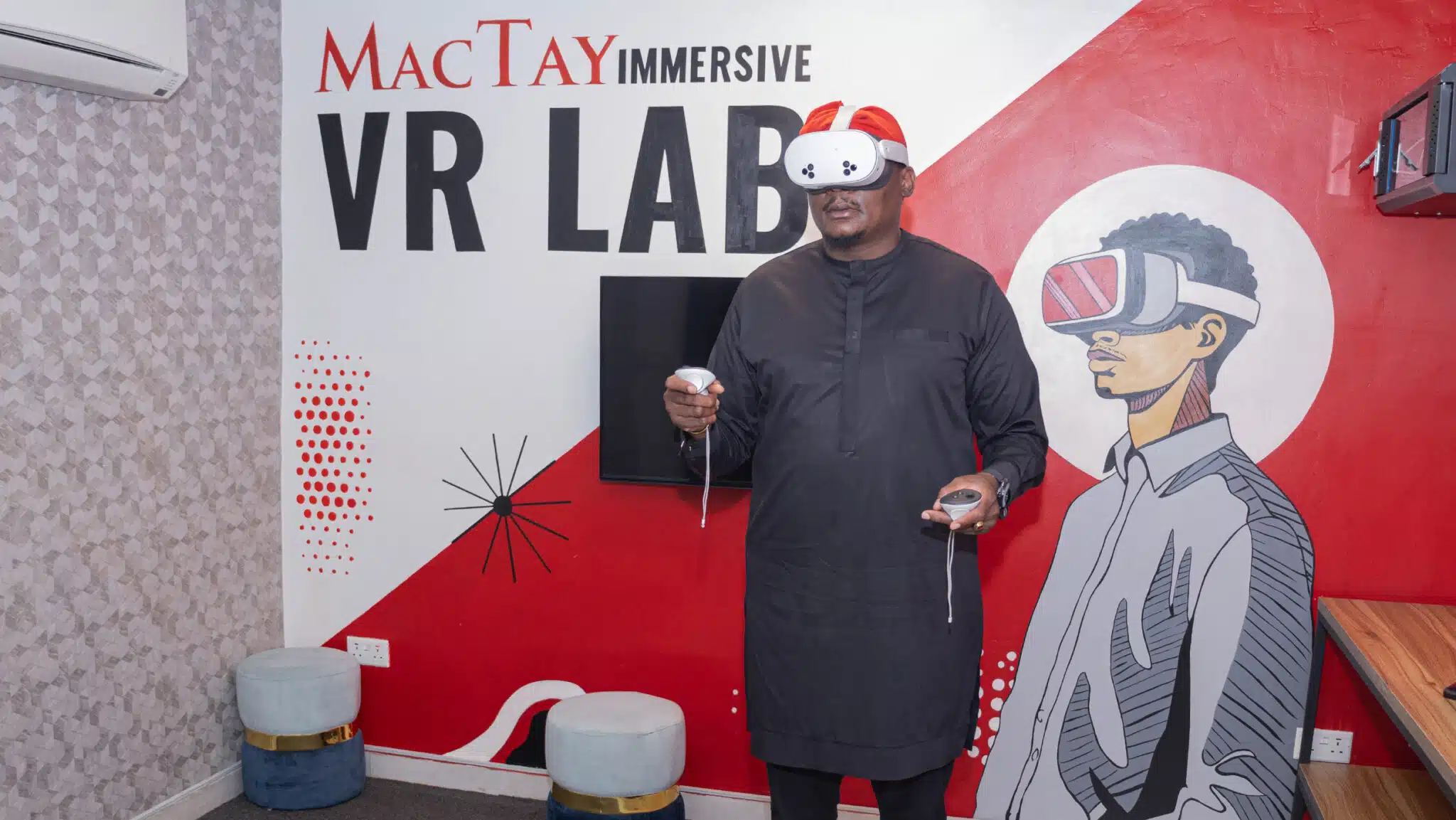
In the virtual environment, however, these constraints vanish. The simulation drops first responders into a vivid recreation of a motorcycle accident on the bridge. Using handheld controllers that provide haptic feedback, trainees are tasked with assessing victims, checking pulses, monitoring breathing, and administering immediate first aid. The system is designed to be interactive; if a trainee fails to stabilize a patient within a specific timeframe, the simulation reflects the deteriorating condition of the victim, forcing real-time decision-making.
According to Rotimi, the primary advantage of this technology is the ability to build muscle memory. In high-stress environments, cognitive recall of classroom lessons often fails, but physical repetition in a simulated environment ensures that the correct procedures become second nature. The VR system allows for "unlimited" participants over time, whereas a physical drill on the actual bridge would be limited to fewer than ten people at a time to remain manageable.
From STEM Classrooms to Emergency Wards: The Evolution of the Tool
Interestingly, the technology now being used to save lives on Lagos roads was not originally intended for emergency services. MacTay’s initial foray into VR was focused on the education sector, specifically improving Science, Technology, Engineering, and Mathematics (STEM) learning in Lagos schools. The original software was designed to help students visualize complex three-dimensional concepts that are often difficult to grasp from 2D textbooks, such as the internal workings of a microchip or the intricacies of human anatomy.
The pivot toward healthcare occurred following a series of engagements with the Lagos State Ministry of Health. Recognizing the urgent need for enhanced training for LASAMBUS, MacTay paused its educational rollout to repurpose the immersive capabilities for high-stakes medical scenarios. This flexibility demonstrates the versatility of VR as a tool for "capacity building at scale." By modifying the digital assets, the same platform that teaches a student about the circulatory system can be used to teach a paramedic how to stop a hemorrhage in a trauma victim.
Comparative Analysis: Global Trends in Immersive Training
The adoption of VR for professional training in Nigeria aligns with a broader global trend where immersive technology is becoming a standard in high-consequence industries. In the United States, institutions such as Johns Hopkins Medicine and the Mayo Clinic have integrated VR to allow surgeons to practice complex procedures in a risk-free environment. Similarly, the US Army uses the Integrated Visual Augmentation System (IVAS) to prepare soldiers for urban combat, and construction giants like Bechtel use VR to conduct safety drills for workers operating in hazardous environments.
Research into VR training effectiveness suggests significant advantages over traditional methods. A study by PwC found that VR learners were four times faster to train than in-classroom learners and 275% more confident to act on what they learned after training. Furthermore, the emotional connection to the content is significantly higher in VR, which is crucial for first responders who must manage not only medical tasks but also the psychological stress of an accident scene.

In the African context, Nigeria has seen sporadic bursts of VR innovation between 2016 and 2019, led by startups like Imisi 3D and StanLab. While these early movers focused on education and gaming, MacTay’s partnership with the state government represents one of the most significant integrations of VR into public sector infrastructure to date.
Implications for Public Health and Urban Resilience in Lagos
The broader implications of this training program extend beyond the immediate skill sets of the 300 trained responders. For the Lagos State Government, the integration of VR represents a move toward "smart city" governance. By utilizing digital twins and immersive training, the state is building urban resilience—the ability of a city to respond to and recover from shocks and stresses.
The collaboration with LASAMBUS is expected to lead to a measurable reduction in response times and an increase in the survival rate of accident victims. When first responders are more confident and better trained, the "golden hour"—the critical period immediately following a traumatic injury when medical treatment is most likely to prevent death—is utilized more effectively.
Furthermore, the data generated by the VR simulations can be used for performance analytics. Trainers can identify specific areas where responders struggle, such as triage or coordination with ambulance dispatch, and tailor future training modules to address those weaknesses. This data-driven approach to human resources is a hallmark of MacTay’s new tech-centric philosophy.
Future Outlook: Scaling Across Nigeria and Beyond
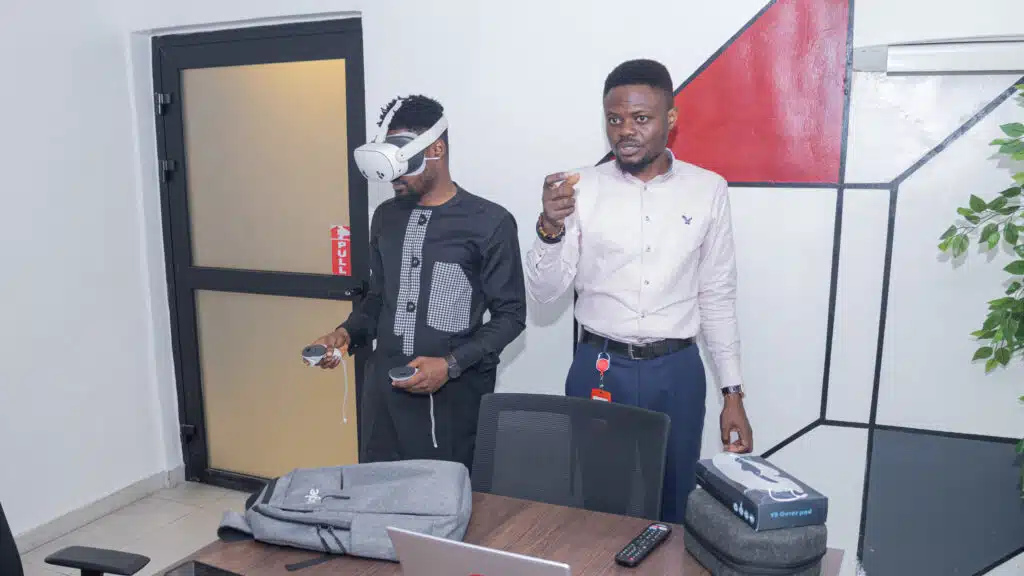
MacTay is currently in advanced discussions with the Lagos State Ministry of Education to resume its initial mission of bringing VR to basic and higher education. The goal is to make STEM subjects more engaging for the next generation of Nigerian scientists and engineers, potentially bridging the infrastructure gap where physical laboratories are unavailable or underfunded.
The company’s vision is not limited to Lagos. If the "Better Lagos" model proves successful in the long term, MacTay intends to export these immersive training solutions to other Nigerian states and across the African continent. The scalability of VR software means that once a simulation is built—whether it is for a bridge accident, a factory fire, or a surgical theater—it can be deployed anywhere with a headset and an internet connection.
As Lagos continues to position itself as a leading tech hub in Africa, the successful deployment of VR for emergency services serves as a powerful proof of concept. It demonstrates that advanced technology is not merely a luxury for entertainment but a critical tool for governance, education, and public safety. By investing in the "digital muscle memory" of its workforce, Lagos is setting a precedent for how African megacities can leverage innovation to solve age-old logistical challenges.