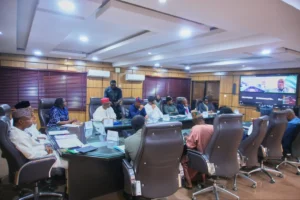
The World Health Organization (WHO) has officially unveiled a comprehensive new technical package titled PROTECT, which outlines seven evidence-based strategies designed to assist governments, policymakers, and local communities in preventing drowning. This initiative comes as a critical response to a global health crisis that claims hundreds of thousands of lives annually, disproportionately affecting children and young adults in low- and middle-income countries. The package was launched in the lead-up to World Drowning Prevention Day, observed every July 25, under the 2024 theme, "Unite to Turn the Tide."
Drowning remains a significantly overlooked public health challenge, yet it ranks as one of the ten leading causes of death for children aged 5 to 14 years across the globe. According to the latest figures released by the WHO, nearly 300,000 individuals lose their lives to drowning each year. These figures, however, are often considered conservative estimates, as many drowning incidents related to floods or water transport accidents are frequently categorized under different causes of death in various national registries. The PROTECT framework aims to standardize prevention efforts and provide a roadmap for nations to reduce these preventable fatalities through coordinated, multi-sectoral action.
The PROTECT Framework: Seven Pillars of Water Safety
The acronym PROTECT represents a distilled version of the Global Strategy for Drowning Prevention, translating complex public health theories into actionable policy guidance. Each letter of the acronym corresponds to a specific intervention area that has been proven to reduce the risk of drowning in diverse geographic and socio-economic contexts.
The first pillar focuses on the provision of safe places away from water for pre-school children. By establishing community-based childcare and crèche systems, governments can ensure that young children—who are at the highest risk of wandering into open water sources—are supervised in a secure environment. This measure is particularly vital in rural agricultural communities where parents may be occupied with work near irrigation canals or ponds.
The second strategy involves the installation of barriers to control access to water. This includes fencing around household wells, covering open pits, and securing access points to recreational water bodies. Infrastructure improvements are cited as one of the most cost-effective methods for preventing accidental falls into water.
Occupational safety forms the third pillar, targeting those whose livelihoods depend on the water, such as fishers and water transport workers. The WHO emphasizes the need for stricter safety standards, the mandatory use of personal flotation devices (PFDs), and better weather forecasting systems to protect those working in aquatic environments.

Fourth, the framework highlights the importance of training bystanders in safe rescue and resuscitation. Since the first few minutes after a submersion incident are critical, increasing the number of citizens trained in Cardiopulmonary Resuscitation (CPR) and basic water rescue techniques can significantly improve survival rates.
The fifth component is the teaching of school-age children basic swimming and water safety skills. Beyond the physical ability to swim, this education includes "water competency," which teaches children how to recognize hazards, how to stay afloat, and how to safely assist others without putting themselves at risk.
Sixth, the WHO calls for the setting and enforcing of safe water transport and boating regulations. This involves regular inspections of vessels, preventing overcrowding on ferries, and ensuring that all commercial watercraft are equipped with adequate life-saving equipment.
Finally, the seventh pillar addresses the need for improved disaster risk management and flood preparedness. As climate change increases the frequency and severity of extreme weather events, communities must be equipped with early warning systems and evacuation plans to mitigate the drowning risks associated with flash floods and rising sea levels.
Global Mortality Trends and the "Silent Epidemic"
The scale of the drowning crisis is staggering when viewed through a demographic lens. While drowning affects all age groups, the WHO reports that children and adolescents bear the heaviest burden. In many nations, drowning is the leading cause of unintentional injury death for children under the age of five.
Geographic disparities are also stark. Over 90% of unintentional drowning deaths occur in low- and middle-income countries. Regions such as Southeast Asia and the Western Pacific report some of the highest rates of drowning mortality. In these areas, daily life is often inextricably linked to water—whether for transport, sustenance, or domestic use—meaning the exposure to risk is constant.
WHO Director-General Dr. Tedros Ghebreyesus characterized every drowning as a "preventable tragedy." He noted that unlike many infectious diseases, the solutions for drowning are well-understood and do not require high-tech medical interventions, but rather political will and community engagement. "Preventing drowning requires coordinated action across sectors rather than the efforts of a single ministry," Dr. Ghebreyesus stated. He urged governments to adopt the PROTECT measures to safeguard their most vulnerable citizens.

Spotlight on Ghana: Leading the Regional Response
The WHO chose to launch the PROTECT package in Ghana, a move that recognizes the West African nation’s proactive stance on water safety. Ghana has become a focal point for drowning prevention efforts in the region due to its significant maritime activities and its internal waterways, including the vast Lake Volta.
In Ghana, it is estimated that more than 1,100 people die from drowning annually. This equates to approximately three deaths every single day. As is the case globally, Ghanaian children and young adults account for the highest proportion of these fatalities. The Ghanaian government has demonstrated a growing commitment to addressing this issue by integrating water safety into its national health and safety agendas.
The launch event in Ghana served as a platform for African leaders to discuss the unique challenges of the continent. Many African nations face high drowning rates due to lack of swimming education and the prevalence of unregulated water transport. By showcasing Ghana’s efforts, the WHO hopes to inspire other regional governments to implement similar evidence-based policies.
The Role of Strategic Partnerships
The development and dissemination of the PROTECT framework have been bolstered by long-standing partnerships between the WHO and global philanthropic organizations. Chief among these is Bloomberg Philanthropies, which has been a primary partner in drowning prevention since 2014.
Kelly Henning, who leads the public health program at Bloomberg Philanthropies, emphasized that the framework is designed to strengthen global efforts through proven interventions. "This framework will save lives while strengthening global efforts to reduce drowning through proven interventions," Henning said. The partnership has been instrumental in funding research and pilot programs in countries like Bangladesh and Vietnam, where community-based childcare and swimming lessons have already shown a measurable decrease in child drowning rates.
Bloomberg Philanthropies’ involvement highlights the importance of private-sector support in addressing public health issues that may not receive the same level of international funding as malaria or HIV/AIDS. Their collaboration with the WHO has helped elevate drowning prevention on the global stage, leading to the first-ever United Nations General Assembly resolution on drowning prevention in April 2021.
Climate Change and Escalating Risks
The launch of the PROTECT package is particularly timely given the escalating threats posed by climate change. Environmental experts have noted a direct correlation between global warming and the increased risk of drowning. As sea levels rise and the hydrological cycle becomes more volatile, the incidence of catastrophic flooding is on the rise.

Flood-related drownings account for a significant portion of water-related deaths during natural disasters. The PROTECT framework’s emphasis on flood preparedness and resilient infrastructure is a direct response to these environmental shifts. By integrating drowning prevention into broader climate adaptation strategies, nations can build more resilient communities capable of weathering the "new normal" of extreme weather.
Economic and Social Implications of Drowning
Beyond the immeasurable human toll, drowning has profound economic and social consequences. The loss of a child or a breadwinner to drowning creates a ripple effect of trauma and economic instability within families. In many developing economies, the loss of young lives represents a significant drain on human capital and future productivity.
Furthermore, the cost of emergency response, medical care for non-fatal drowning survivors (who may suffer from long-term neurological damage due to oxygen deprivation), and the loss of vessels in transport accidents impose a heavy financial burden on state resources. Public health analysts argue that investing in the preventative measures outlined in the PROTECT package is far more cost-effective than dealing with the aftermath of drowning incidents.
Conclusion: A Unified Call to Action
The theme for World Drowning Prevention Day 2024, "Unite to Turn the Tide," serves as a clarion call for a unified global response. The WHO’s PROTECT package provides the technical foundation, but its success depends on the willingness of governments to prioritize water safety in their national budgets and legislative frameworks.
As the global community reflects on the lives lost to water-related accidents this July 25, the WHO and its partners are advocating for a shift in perception. Drowning should no longer be viewed as an inevitable accident of life near water, but as a manageable risk that can be mitigated through education, infrastructure, and smart policy. With the implementation of the PROTECT strategies, the goal of significantly reducing the 300,000 annual deaths becomes a tangible possibility, offering a safer future for children and communities worldwide.