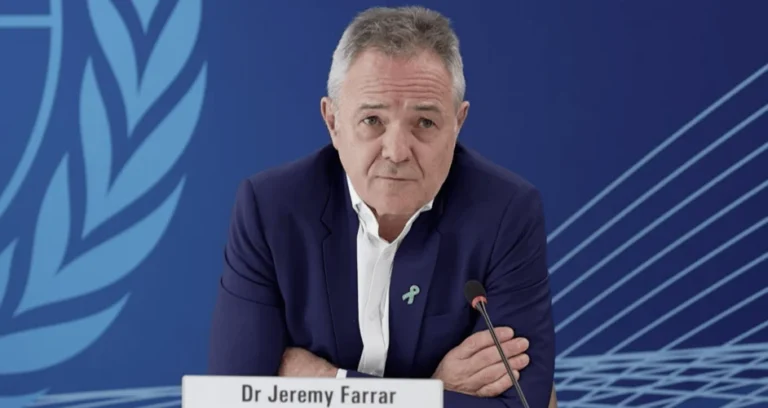
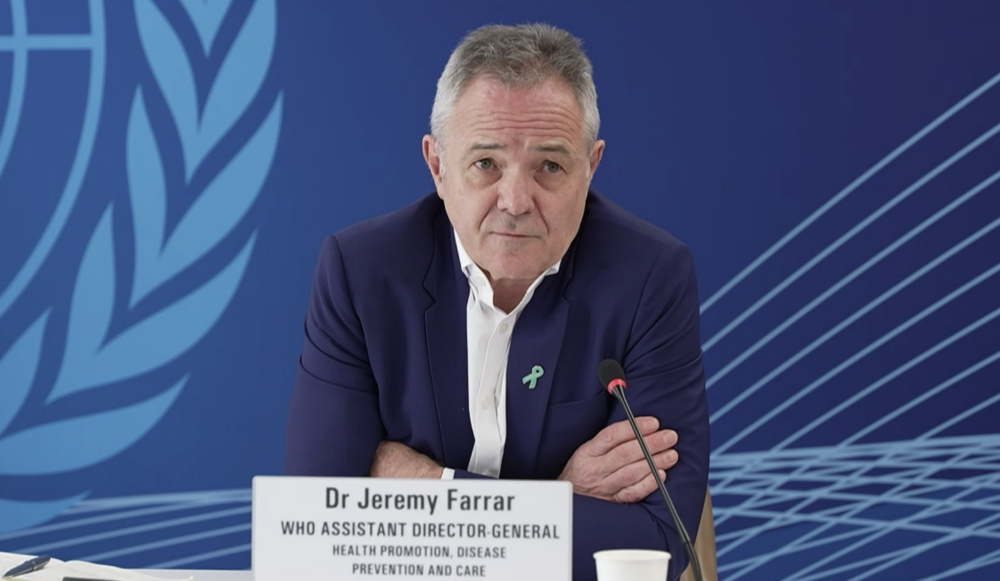
Dr Jeremy Farrar, the outgoing Assistant Director-General of the World Health Organization (WHO), is set to embark on a new chapter in his distinguished career in global public health. Beginning in October, Farrar will assume leadership of PATH’s regional division for Asia, the Middle East, and Europe. Operating out of the global health non-profit’s Geneva office, Farrar will join the executive leadership team with a mandate to accelerate the delivery of critical health technologies, strengthen primary healthcare systems, and foster sustainable medical innovation across diverse and rapidly developing geopolitical landscapes.
The appointment, formally announced by Seattle-headquartered PATH, positions one of the world’s most prominent epidemiological and scientific voices at the helm of regional operations managing millions in health programming. PATH, established in 1977, functions as a pillar in global health technology development, focusing primarily on low-resource settings. Operating with an annual budget exceeding $371 million supported by robust philanthropic foundations and public government grants, the organization employs approximately 1,600 personnel across more than 70 countries. Its core mission centers on advancing life-saving vaccines, precise diagnostics, and scalable health system innovations directly to vulnerable populations.
PATH leadership highlighted the strategic timing of Farrar’s recruitment. In an official statement, the organization noted that nations worldwide are increasingly seeking sustainable, locally integrated pathways to expand access to advanced health services. Farrar’s extensive background in bridging academic research, clinical trials, and international policy implementation is expected to bolster collaborative initiatives with regional governments and health partners, yielding lasting public health outcomes.
A Return to Regional Roots and Field-Level Epidemiology
For Farrar, the transition to PATH represents a significant return to the geographical and operational roots that defined much of his career prior to joining the multilateral architecture of the WHO. From 1996 to 2013, Farrar directed the Oxford University Clinical Research Unit in Ho Chi Minh City, Vietnam. During his tenure in Southeast Asia, he became a globally recognized authority on infectious diseases, emerging pathogens, and tropical medicine, managing extensive clinical trials and outbreak responses on the ground.
Following his foundational work in Vietnam, Farrar served for a decade as the director of the Wellcome Trust, one of the world’s largest charitable foundations supporting biomedical research. Under his leadership, the Wellcome Trust financed critical research during major global health emergencies, including the 2014–2016 West African Ebola epidemic and the multi-year COVID-19 pandemic, cementing his reputation as a pragmatic strategist capable of mobilizing scientific resources under intense pressure.

In late 2023, Farrar transitioned to the international stage in Geneva, initially joining the WHO as Chief Scientist before stepping into the role of Assistant Director-General for Health Promotion, Disease Prevention and Care. This latter appointment coincided with a sweeping institutional reorganization spearheaded by WHO Director-General Dr Tedros Adhanom Ghebreyesus, a structural shift precipitated by severe financial pressures and the withdrawal of the United States from the organization.
The Chronology of a Leadership Transition
Earlier this year, industry analysts and media outlets widely speculated that Farrar—frequently cited as the United Kingdom’s most prominent contemporary scientist—was a natural frontrunner to succeed Tedros, whose current term concludes next year. However, Farrar ultimately informed colleagues and industry stakeholders that he had no intention of pursuing the position. The succession race has since accelerated, with four formal candidates nominated by Saudi Arabia, Qatar, Belgium, and Indonesia.
Farrar’s departure from the WHO, officially slated for 30 September, was formally framed by the organization and internal communications from Director-General Tedros as a routine retirement upon reaching the official United Nations retirement age limit. Despite these administrative characterizations, multiple diplomatic and institutional sources have described the exit as an unexpected resignation. Reports indicate that Tedros had offered Farrar an exceptional contract extension designed to retain him past the mandatory retirement threshold—an offer Farrar ultimately declined.
Following Farrar’s decision, the WHO announced that Bruce Aylward, a long-serving senior official within the organization, would step into the Assistant Director-General role upon Farrar’s departure. This high-level shuffle occurs against a backdrop of ongoing institutional vulnerability, compounded by looming leadership elections and structural financial constraints across the global health ecosystem.
Strategic Objectives at PATH
In his new capacity at PATH, Farrar will oversee regional operations designed to bridge the chasm between laboratory innovation and real-world clinical application. His portfolio aligns directly with PATH’s Strategy 2030, a framework aimed at enhancing outbreak preparedness, strengthening primary healthcare delivery infrastructure, and fostering localized manufacturing capacity for essential medical tools.
Financial disclosures indicate that the division under Farrar’s purview managed roughly $35.99 million in regional programmatic expenses in 2024. His team’s primary objective will be to translate complex scientific breakthroughs into accessible, cost-effective technologies tailored to the needs of underserved communities across Asia, the Middle East, and Europe. By connecting governments, prominent research institutions, and medical manufacturers, Farrar will look to leverage public-private partnerships to fortify regional health security against future epidemic threats.
"Joining PATH at this moment is a very exciting opportunity," Farrar stated following the public announcement of his appointment, emphasizing the critical necessity of addressing contemporary health vulnerabilities with institutional agility and long-term foresight.
Nikolaj Gilbert, President and CEO of PATH, echoed these sentiments, welcoming Farrar to the executive leadership team. "Jeremy is an exceptional leader, and we are very pleased to welcome him to PATH at a time when innovative, sustainable health solutions are more critical than ever to global stability," Gilbert remarked.
Implications for Global Health Architecture
Farrar’s transition from the world’s premier normative health agency to a major operational non-profit underscores a broader trend within global health governance: a growing emphasis on localized execution, flexible financing, and decentralized health technology delivery. While multilateral institutions like the WHO grapple with systemic funding reforms, geopolitical friction, and structural reforms, operational entities such as PATH are increasingly relied upon to implement tangible, on-the-ground interventions.
Observers note that Farrar’s unique blend of clinical expertise, philanthropic management experience, and high-level multilateral diplomacy positions him uniquely to navigate the complex intersection of global health policy and regional implementation. As low- and middle-income countries across Asia and the Middle East continue to bolster their domestic health security architectures in the wake of post-pandemic vulnerabilities, the leadership of figures with deep field experience will remain a crucial variable in determining regional resilience.
PATH has confirmed that Farrar will not be granting media interviews or addressing specific transition queries prior to officially assuming his duties on 1 October. As the autumn leadership transitions unfold across Geneva and global health institutions prepare for the upcoming WHO Director-General elections, the impact of Farrar’s move to PATH will be closely monitored by international policymakers, donors, and public health practitioners alike.