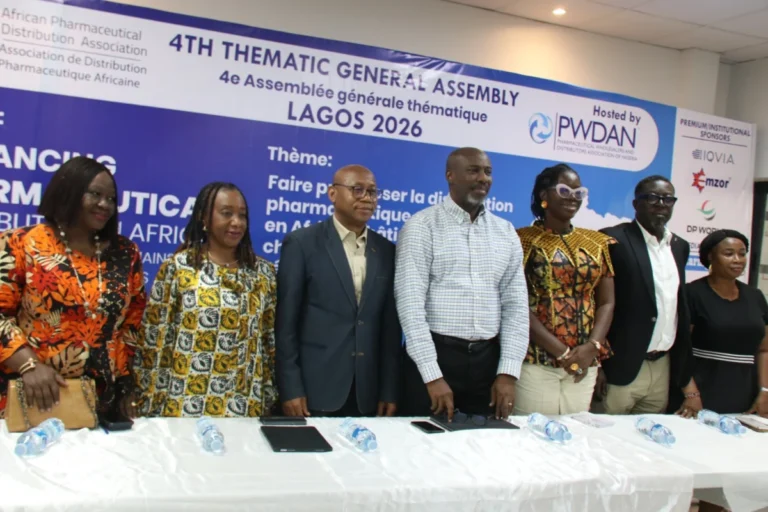
The Pharmaceutical Wholesalers and Distributors Association of Nigeria (PWDAN), in strategic partnership with the African Pharmaceutical Distributors Association (APDA), is set to host the 4th APDA Thematic General Assembly in Lagos, Nigeria. Scheduled for October 6 to 8, 2026, the high-level gathering will center on the critical theme: “Advancing Pharmaceutical Distribution in Africa: Building Secure Supply Chains Against Falsified Medicines.” This assembly represents a pivotal moment for regional healthcare security, bringing together a diverse cohort of stakeholders, including pharmaceutical regulators, policymakers, global manufacturers, supply chain experts, and healthcare professionals from over 20 countries.
The Growing Crisis of Substandard and Falsified Medical Products
The urgency behind the 2026 assembly is underscored by the persistent threat posed by substandard and falsified (SF) medical products across the African continent. According to the World Health Organization (WHO), an estimated one in ten medical products in low- and middle-income countries is either substandard or falsified. The consequences of this shadow market are catastrophic, contributing to thousands of preventable deaths annually, fostering antimicrobial resistance, and eroding public trust in formal healthcare systems.
In the context of the African Continental Free Trade Area (AfCFTA), the movement of goods—including pharmaceuticals—across borders has increased significantly. While this growth promises to bolster economic integration, it simultaneously creates vulnerabilities that criminal syndicates exploit. Weak links in the supply chain of one nation can rapidly become a regional health crisis, as porous borders and fragmented regulatory oversight allow illicit medicines to infiltrate legitimate distribution channels.
A Chronology of Regional Collaboration
The APDA Thematic General Assembly has evolved into a vital platform for harmonizing pharmaceutical standards across the continent. Previous editions, held in various African capitals, have served as catalysts for policy refinement and cross-border cooperation.
- 1st and 2nd APDA Assemblies: Focused primarily on the foundational challenges of pharmaceutical logistics, warehouse infrastructure, and the necessity of establishing standardized Good Distribution Practices (GDP) across member states.
- 3rd APDA Assembly: Marked a significant shift toward digital transformation, with discussions centering on the integration of track-and-trace technology to monitor drug movement from the point of manufacture to the end-user.
- 4th APDA Assembly (Lagos, 2026): Designed to transition from dialogue to enforcement. The assembly aims to solidify regional commitments through the proposed "Lagos Declaration on Pharmaceutical Supply Chain Integrity," which seeks to mandate stricter accountability frameworks and technological adoption.
Strategic Priorities for the Lagos Assembly
During a press briefing held in Lagos to announce the upcoming event, PWDAN National Chairman, Pharm. Ogheneochuko Omaruaye, articulated the association’s vision for the assembly. He emphasized that the event is not merely a conference but a call to collective action. “Africa must unite against falsified medicines,” Omaruaye stated, noting that the cross-border nature of the industry necessitates a harmonized regulatory environment.

The discussions in Lagos will be structured around five key pillars:
- Regulatory Harmonization: Streamlining diverse national policies to ensure that pharmaceutical distributors operate under a unified, high-standard framework.
- Technological Integration: Exploring blockchain, serialization, and mobile authentication tools to empower patients and retailers to verify product authenticity.
- Accountability and Enforcement: Strengthening the legal framework to ensure that offenders—whether manufacturers, importers, or distributors—face severe, consistent sanctions.
- Supply Chain Security: Improving cold-chain infrastructure and warehousing standards to maintain the quality of medicines throughout the distribution lifecycle.
- Policy Implementation: Focusing on the operationalization of existing guidelines, such as Nigeria’s National Drug Distribution Guidelines, which serve as a blueprint for the region.
The Role of Stakeholder Accountability
A recurring theme among the PWDAN leadership is the critical need for a comprehensive, end-to-end approach to supply chain integrity. Pharm. Ernest Okafor, the immediate past chairman of PWDAN, noted that while policies are necessary, they are ineffective without rigorous enforcement. "The fight against falsified medicines requires us to bridge the gap between policy creation and ground-level execution," Okafor explained. "We must ensure that every player in the chain—from the manufacturer to the retail pharmacist—is held to the same high standard of compliance."
The association is also prioritizing the professional development of its members. Pharm. Mrs. Olaide Soetan, National Secretary of PWDAN, emphasized that the organization is strictly enforcing compliance with Good Distribution Practices (GDP). This includes mandatory upgrades to warehousing facilities, the maintenance of temperature-controlled environments for sensitive biologics and vaccines, and the adoption of robust inventory management systems that prevent the entry of counterfeit products into the formal supply chain.
Economic and Healthcare Implications
The assembly arrives at a time when Nigeria and the broader African continent are pushing for increased local manufacturing and self-reliance in the pharmaceutical sector. The reliance on imported medicines has historically been a point of vulnerability. By strengthening the distribution chain, PWDAN and APDA are laying the groundwork for a more robust regional market that can support both domestic manufacturers and legitimate importers.
The economic implications of a secure supply chain are profound. Falsified medicines represent a significant tax on healthcare systems, which must divert already limited resources to treat complications arising from ineffective or toxic counterfeit drugs. Furthermore, the presence of these products discourages foreign investment in the local pharmaceutical sector. A secure, transparent supply chain is therefore a prerequisite for attracting the capital necessary to expand pharmaceutical manufacturing and distribution capacity.
Broadening the Scope of the Conversation
The Conference Planning Committee, led by Pharm. Adebayo Afon, has ensured that the assembly features a multidisciplinary approach. The presence of development partners and healthcare professionals is expected to bridge the gap between technical distribution logistics and public health outcomes.

Afon noted that the selection of Nigeria as the host for the fourth edition is a testament to the country’s central role in the regional pharmaceutical economy. "We are providing a platform for knowledge-sharing that transcends national boundaries," Afon said. "The assembly is about creating a network of partners who are committed to the same goal: ensuring that every African has access to genuine, quality-assured medicines."
Toward a Unified Future: The Lagos Declaration
As the assembly approaches, the primary objective remains the finalization of the Lagos Declaration. This document is expected to outline specific, measurable targets for African nations, including the standardization of digital traceability systems and the establishment of an intelligence-sharing network for regional regulatory agencies.
The success of the 4th APDA Thematic General Assembly will be measured by its ability to foster genuine regional integration. As PWDAN and its partners prepare to welcome delegates from across the continent, the message remains clear: the threat of falsified medicines is a transnational problem that can no longer be addressed by isolated national policies. Through the collaborative efforts of the upcoming assembly, the African pharmaceutical industry is positioning itself to safeguard the health of millions and ensure that the integrity of the supply chain remains uncompromised.
The event, which will also feature members of the PWDAN Board of Trustees, including Pharm. (Mrs.) Rosemary Nikoro, Pharm. Adenike Abdulazees, and Pharm. Oluwafunke Awopegba, serves as a vital reminder that the fight against counterfeit medicine is a long-term commitment. It requires the active participation of regulators, the private sector, and the public to ensure that the medicines reaching the hands of patients are safe, effective, and of the highest quality.