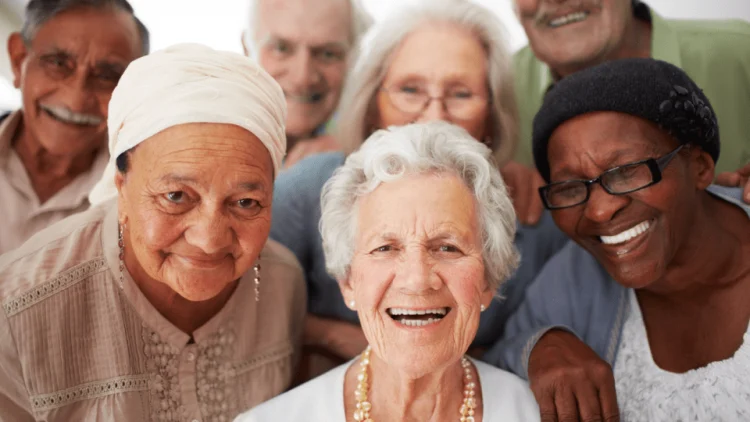
Growing older is one of the few experiences common to all humanity, yet the narrative surrounding the passage of time is undergoing a profound transformation in the 21st century. For generations, society has largely viewed ageing through a reductive lens—as a slow, inevitable decline into frailty, chronic illness, and cognitive decay. However, contemporary research in gerontology and public health suggests that this traditional paradigm is not only outdated but factually incomplete. As global life expectancy continues to climb, the medical and scientific communities are shifting their focus from mere longevity to the quality of the years lived, moving away from the assumption that the biological clock dictates the trajectory of a person’s health.
The distinction between chronological age—the number of years since birth—and biological age—the actual physiological state of one’s cells and tissues—has become the cornerstone of modern geriatric medicine. This shift in perspective is critical, as data from the World Health Organization (WHO) indicates that there is no "typical" older person. While some 70-year-olds exhibit a physiological profile comparable to a 50-year-old, others may experience significant functional decline much earlier. Understanding the factors that drive these discrepancies is the primary challenge facing modern healthcare systems.
A Chronology of the Ageing Paradigm
The historical perception of ageing has evolved significantly. In the early 20th century, life expectancy in many developed nations hovered around 50 years. Consequently, "old age" was viewed as an endpoint. As public health initiatives, sanitation, and medical breakthroughs—such as antibiotics and modern surgery—extended life spans, the demographic landscape shifted.
- 1950s–1970s: The focus of medicine was primarily on infectious disease control and acute injury. Ageing was often treated as a peripheral concern, with little research into the mechanics of cellular senescence.
- 1980s–2000s: The rise of chronic, non-communicable diseases (NCDs) like heart disease, diabetes, and cancer brought ageing to the forefront. The concept of "successful ageing" began to emerge, emphasizing the role of lifestyle and environment.
- 2010–Present: The era of "Geroscience" has arrived. Researchers are now looking at the molecular pathways of ageing, such as mitochondrial dysfunction and epigenetic clocks, with the goal of interventions that could delay the onset of age-related infirmities.
The Science of Biological vs. Functional Age
Chronological age serves as a useful administrative metric, but it is an unreliable clinical indicator. Biological age, by contrast, provides a more granular view of an individual’s health. It is influenced by a complex interplay of genetic predispositions and environmental inputs—the "exposome."
Scientific studies, including the landmark Dunedin Study, have utilized epigenetic clocks to measure how quickly individuals age compared to their chronological peers. Factors such as chronic stress, nutritional deficiencies, and exposure to environmental toxins (such as air pollution) can accelerate biological ageing. Conversely, consistent physical activity and a balanced diet can act as "biological buffers," preserving cellular integrity and maintaining the structural health of tissues and organs.
Functional age further refines this measurement by assessing the capacity for autonomy. It asks not what a person’s body is, but what it can do. The ability to perform Activities of Daily Living (ADLs)—such as bathing, dressing, and preparing meals—is often a better predictor of morbidity than any specific disease diagnosis. When an individual’s functional age is significantly lower than their chronological age, they are better positioned to maintain independence, which is the primary objective of modern preventive geriatrics.
The Mechanisms of Cellular Decline
At the physiological level, ageing is the result of accumulated damage. The "Hallmarks of Ageing," a framework widely cited in research journals like Cell, identifies several key drivers:

- Genomic Instability: Over time, DNA damage accumulates, leading to mutations that can impair cellular function.
- Mitochondrial Dysfunction: As the "power plants" of our cells decline in efficiency, the body experiences a drop in energy production and an increase in reactive oxygen species, which further damages tissue.
- Senescent Cell Accumulation: These are "zombie cells" that stop dividing but do not die. They linger and secrete inflammatory signals that damage surrounding healthy cells, contributing to the "inflammaging" phenomenon.
- Stem Cell Exhaustion: The body’s ability to regenerate tissues diminishes as the pool of stem cells loses its regenerative capacity.
While these processes are universal, their rate of progression is highly variable. Lifestyle choices, such as the avoidance of smoking, moderation in alcohol intake, and regular aerobic exercise, have been shown to mitigate these processes, effectively slowing the biological clock.
Challenging the "Old Age" Bias in Healthcare
A significant hurdle in current medical practice is the tendency of clinicians to dismiss symptoms in older patients as "just old age." This diagnostic bias can lead to the under-treatment of conditions that are, in fact, manageable or reversible. For example, fatigue in an older patient might be attributed to age, when it is actually a symptom of iron-deficiency anemia or subclinical depression.
Medical professionals are increasingly advocating for a shift toward "person-centered care." This approach moves away from the siloed treatment of individual diseases and toward a holistic assessment of an individual’s physiological and functional needs. By prioritizing early intervention and screening for age-related conditions—such as osteoporosis, sarcopenia (muscle loss), and cognitive impairment—healthcare providers can ensure that patients remain independent for as long as possible.
The Goal of Healthspan
The concept of "healthspan" is rapidly replacing "lifespan" as the ultimate metric for public health success. If lifespan is the total number of years an individual lives, healthspan is the number of years they live in good health, free from chronic disease and disability.
The economic and social implications of extending healthspan are immense. As populations in the West and parts of Asia grow older, the strain on pension systems and healthcare infrastructure increases. However, if that population remains mobile, mentally sharp, and socially engaged, the demographic burden is significantly reduced. Data suggests that every year of increased healthspan could potentially save governments billions in long-term care costs while simultaneously enhancing the quality of life for the elderly.
Broader Implications and Future Directions
The future of ageing research lies in the democratization of longevity-promoting practices. While luxury interventions exist, the most effective tools for extending healthspan remain the most accessible: consistent physical activity, nutritious intake, and social connectivity.
Social isolation has been identified by the U.S. Surgeon General as a public health epidemic with mortality risks equivalent to smoking 15 cigarettes a day. Consequently, the "social determinants of health" are as vital as the clinical ones. Communities that foster intergenerational interaction and provide supportive environments for the elderly see lower rates of cognitive decline and depression.
In conclusion, the narrative of ageing is shifting from one of inevitable decay to one of manageable vitality. By distinguishing between the simple ticking of a calendar and the complex, dynamic state of our biological systems, society can adopt a more nuanced approach to the later stages of life. The focus must remain on preservation—not of a youthful appearance, but of the dignity, capacity, and autonomy that define the human experience. Ageing is not a disease to be cured, but a life stage to be optimized through intentional health, social engagement, and a rigorous commitment to maintaining functional independence. The challenge for the coming decades is to ensure that the added years of our lifespan are matched by an equal investment in the quality of our healthspan.