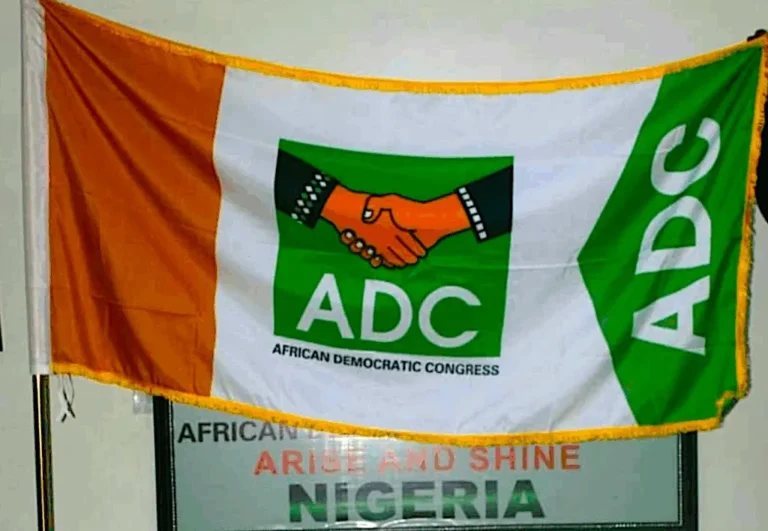
The political landscape in Sokoto State has grown increasingly tense following a violent confrontation in the metropolis involving members of the African Democratic Congress Presidential Campaign Council (ADC-PCC). The incident, which occurred during a routine and peaceful grassroots campaign mobilization, has ignited widespread condemnation from party leadership and civil society observers alike. According to official statements released by the campaign council, a group of its female members—who were actively engaging with local electorates and promoting the party’s manifesto—was ambushed by suspected political thugs. The assailants not only subjected the women to severe harassment and psychological intimidation but also forcefully commandeered a heavily branded campaign truck used for logistical support during the outreach.
The unfolding crisis has once again cast a harsh spotlight on the persistent threat of electoral violence, political intolerance, and the safety of vulnerable demographics—particularly women—participating in the nation’s democratic processes. As the general elections approach, incidents of political thuggery continue to challenge the assurances of security agencies tasked with maintaining law and order. The ADC-PCC has categorically condemned the assault, describing it as an affront to democratic norms, and has issued a stern ultimatum to law enforcement authorities to apprehend the perpetrators immediately. While investigations are yet to yield formal arrests, the psychological and material toll of the attack on the victims has underscored the urgent need for robust security frameworks to safeguard political actors across all divides.
Chronology of the Sokoto Metropolis Incident
The sequence of events leading up to the extortion and release of the ADC campaign vehicle began during the afternoon hours in a densely populated district of the Sokoto metropolis. The female members of the ADC-PCC had embarked on an authorized, peaceful campaign tour designed to distribute manifestos, display branded collateral, and rally support for the party’s presidential aspirations. According to eyewitness accounts and testimonies gathered from the victims, the outreach was proceeding without incident until a group of aggressive young men intercepted the campaign truck.
Surrounding the vehicle, the alleged thugs prevented the women from continuing their journey, hurling verbal abuses and creating a hostile environment designed to instill fear. Despite the presence of bystanders and, alarmingly, law enforcement personnel near the vicinity, the assailants escalated their aggression by forcefully seizing the keys of the branded truck and ordering the occupants to disembark.
When the terrified victims attempted to seek immediate protection and intervention from security operatives stationed nearby, they were met with an alleged wall of inaction. One of the primary victims recounted that appeals for assistance fell on deaf ears, as security personnel failed to intervene or prevent the escalation of the crime. Seizing upon this apparent lack of official deterrence, the suspects transformed the situation into an extortion racket. They slammed a financial demand of N1 million on the victims, threatening to set the valuable campaign truck ablaze if the ransom was not paid promptly. Under severe duress, the women were forced to scramble for funds, combining cash-on-hand with a mobile bank transfer routed to an account provided by the criminals. Only after this illegal transaction was verified did the perpetrators release the vehicle, leaving the victims traumatized and deeply disillusioned with the local security apparatus.
Official Reactions and Demands from the ADC Leadership
In the wake of the incident, the national leadership of the African Democratic Congress swiftly mobilized its communication machinery to address the security failure and demand accountability. Kola Ologbondiyan, the Director of Media and Publicity for the ADC-PCC, issued a strongly worded official statement on Wednesday condemning the Sokoto attack in the most unequivocal terms. Ologbondiyan characterized the ambush not merely as a localized crime, but as a systemic threat to democratic participation and the constitutional rights of citizens to campaign freely without fear of molestation.
The campaign council specifically directed its grievances toward the highest echelons of the nation’s security architecture, directly calling upon the Inspector-General of Police (IGP) and the Sokoto State Commissioner of Police to launch a comprehensive, transparent investigation into the matter. The ADC-PCC stressed that the alleged complicity or passive posture of security operatives present at the scene must be thoroughly scrutinized to restore public confidence in the neutrality of law enforcement.
“Our party will not stand aloof and watch our members being attacked. Let this be the last time,” Ologbondiyan declared during a media briefing, emphasizing that the ADC refuses to be cowed by intimidation tactics deployed by rival political actors. Furthermore, the campaign council cautioned political opponents against the reckless deployment of thugs and non-state actors to suppress political competition. The party warned that normalizing such extra-legal tactics creates a dangerous precedent with severe, long-term consequences that extend far beyond the immediate election cycle, potentially destabilizing the fragile peace of the region.
Broader Context of Political Violence and Gender Vulnerability in Nigerian Elections
The attack in Sokoto is not an isolated occurrence within the broader framework of Nigerian electoral politics, but rather part of a recurring pattern of political intolerance. Historical data from previous electoral cycles compiled by civil society organizations—such as the Nigeria Civil Society Situation Room and Kimpact Development Initiative—consistently highlight regions across the country where opposition parties face systemic barriers, obstruction of movement, and outright physical violence during campaign seasons.
Political thuggery, often fueled by economic desperation among youth and patronage networks sustained by unscrupulous political actors, remains one of the most stubborn blights on Nigeria’s democratic consolidation. When campaign vehicles are seized, property is destroyed, and financial extortions are carried out with impunity, the foundational principle of a level playing field is severely compromised.
Compounding this issue is the alarming dimension of gender vulnerability in political spaces. Female politicians, campaign coordinators, and grassroots mobilizers frequently encounter targeted harassment, misogynistic abuse, and physical intimidation designed to push them out of the public sphere. Despite national and international advocacy efforts aimed at increasing women’s representation and participation in governance—such as the National Gender Policy and various affirmative action campaigns—incidents like the Sokoto metropolis attack serve as major deterrents. When women are targeted during peaceful civic engagements and abandoned by security forces, it sends a discouraging message to female aspirants and supporters nationwide, threatening to reverse hard-won gains in political inclusivity.
Implications for the Electoral Process and Rule of Law
The Sokoto incident carries profound implications for the credibility, fairness, and safety of the ongoing electoral process. A free and fair election is predicated not only on the mechanics of voting day itself, but equally on the freedom of association, movement, and expression guaranteed to all political parties and their supporters during the pre-election campaign phase.
When opposition parties are subjected to extortion, violent ambushes, and the unlawful seizure of campaign assets, the democratic space contracts. This creates an environment of fear where smaller parties or opposition groups are systematically disadvantaged in dominant political zones. Moreover, the alleged failure of security agencies to act in real-time—as reported by the victims—raises critical questions regarding operational preparedness, neutrality, and adherence to standard operating procedures during political crises.
For the rule of law to prevail, accountability must be swift and visible. Impunity for political thugs not only emboldens criminal elements but also risks triggering retaliatory violence from aggrieved party members, potentially escalating local tensions into widespread civil unrest. The demand by the ADC-PCC for a transparent inquiry and the eventual arrest and prosecution of the culprits is therefore a vital test case for the resolve of the Sokoto State Police Command and federal security authorities.
Institutional Responsibilities and the Path Forward
As the political atmosphere remains charged, the onus rests heavily on key institutional stakeholders to restore order, enforce compliance with the Electoral Act, and guarantee the safety of all citizens regardless of their political affiliations.
The Independent National Electoral Commission (INEC), alongside inter-agency consultative committees on election security, must intensify monitoring mechanisms to identify flashpoints of political violence. Swift punitive measures, including the disqualification of candidates or parties found to be sponsoring thugs, have been repeatedly advocated by governance experts as necessary deterrents against electoral malfeasance.
Furthermore, civil society organizations, human rights advocates, and community leaders must maintain continuous pressure on political elites to embrace peace accords and renounce violence as a tool for political competition. Civic education campaigns aimed at redirecting youth energy away from destructive political patronage are equally essential for long-term stability.
At the time of filing this comprehensive report, neither the leadership of the All Progressives Congress (APC) in Sokoto State nor the Sokoto State Government had issued an official response or counter-statement regarding the allegations leveled by the African Democratic Congress Presidential Campaign Council. As the public awaits official reactions from the accused quarters and the relevant security high commands, the incident stands as a stark reminder of the fragile balance sustaining Nigeria’s democracy and the constant vigilance required to protect its core values.