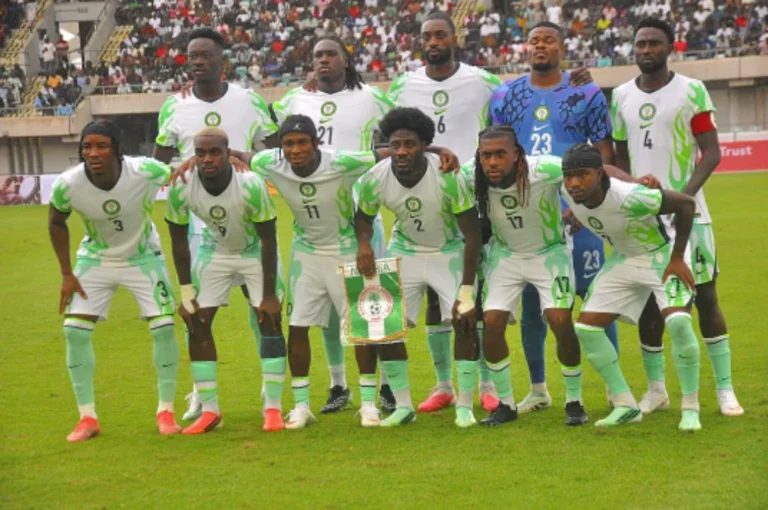
This pivotal result in the qualification landscape has dramatically shifted the momentum in favor of the Nigerian national team. With the race for the single available qualification ticket from Group L intensifying, the stalemate between the group leaders and Madagascar serves as a reprieve for the Super Eagles, who have found themselves under significant pressure following an inconsistent start to the qualification campaign.
The Current State of Play in Group L
As the qualification tournament for the 2027 Africa Cup of Nations (AFCON) progresses, the structural nuances of the groups have become a primary focal point for fans and analysts alike. In Group L, the qualification pathway is unique due to the presence of Tanzania, who are serving as co-hosts of the tournament alongside Kenya and Uganda. Because Tanzania has already secured an automatic berth in the finals, the remaining teams—Nigeria, Guinea-Bissau, and Madagascar—are effectively competing for a solitary ticket to the continental showpiece.
Following Thursday’s 1-1 draw, Guinea-Bissau remains at the summit of the group standings with seven points from their outings thus far. Nigeria currently occupies the second position with three points, while Madagascar lingers in third place with two points. The dropped points by Guinea-Bissau mean that the mathematical door has been pushed wide open for the Super Eagles, provided they can capitalize on their upcoming fixtures.
Chronology of the Qualification Campaign
The road to the 2027 AFCON began with high expectations for Nigeria, a perennial powerhouse in African football. However, the campaign hit a significant stumbling block in September when the Super Eagles suffered a humbling 3-0 defeat at the hands of Guinea-Bissau in Bissau. That result not only handed Guinea-Bissau three crucial points but also established a head-to-head advantage that could prove decisive should the two nations finish the group stage level on points.
The subsequent matches have been a test of character for the Nigerian squad. The draw in the Madagascar-Guinea-Bissau encounter serves as a mid-point correction for the group. For Nigeria, the path forward is clear: they must secure maximum points in their double-header against Tanzania. The first of these encounters is scheduled for Friday, November 13, at the Godswill Akpabio International Stadium in Uyo.
Analytical Perspective: The Importance of the Tanzania Double-Header
From a tactical standpoint, the upcoming clash against Tanzania is a must-win scenario. If the Super Eagles secure a victory in Uyo, they will move to six points, narrowing the gap with Guinea-Bissau to a single point. This would set the stage for a high-stakes final stretch.
If Nigeria manages to secure back-to-back victories over Tanzania, they will reach a total of nine points. Their ability to ascend to the top of the group would then depend on the results of Guinea-Bissau’s remaining fixtures, particularly their rematch against Madagascar on the following Tuesday. Because of the head-to-head disadvantage stemming from the 3-0 loss in September, Nigeria cannot afford to tie on points with Guinea-Bissau; they must finish with an outright higher point tally to guarantee qualification.
Former international players and pundits have been vocal about the necessity of avoiding complacency. Despite Tanzania’s automatic qualification, they remain a disciplined side capable of disrupting the plans of any team in the group. Warnings against underrating the East African side have been a recurring theme in the lead-up to the match, emphasizing that the Super Eagles must approach the game with the same intensity as if they were playing a direct qualification rival.
Strategic Implications for the Super Eagles
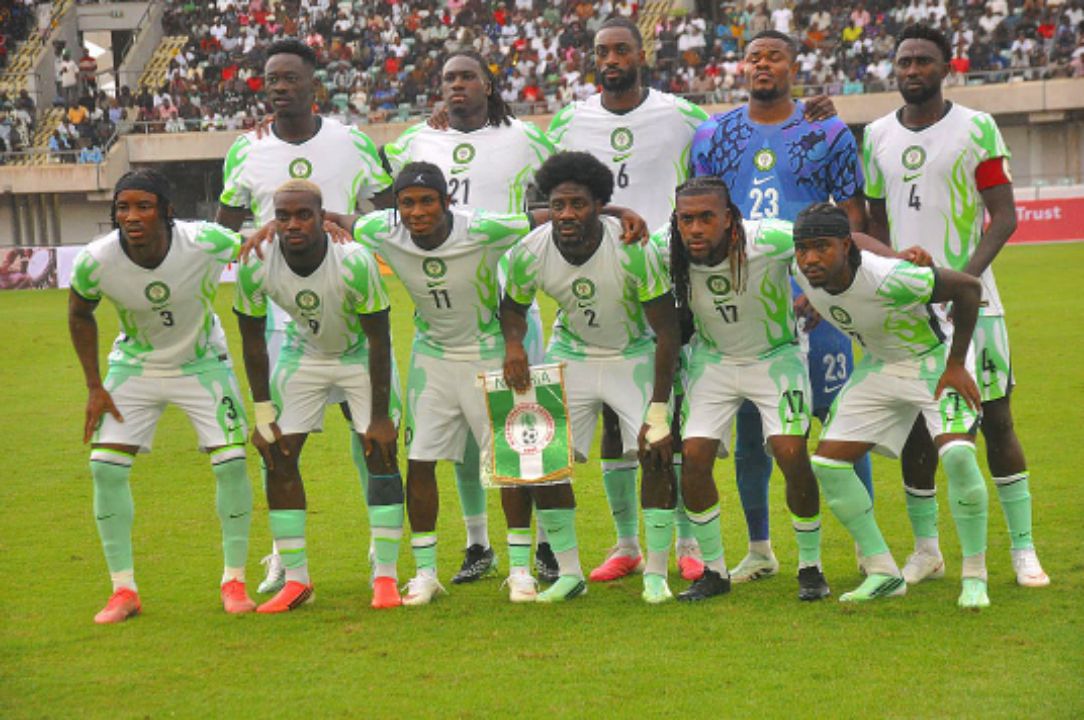
The pressure on the Nigerian technical crew and the squad is immense. Since the inception of the current qualification cycle, the team has struggled to find a consistent rhythm. The defensive fragility displayed against Guinea-Bissau in September remains a point of concern for the coaching staff. To navigate the remainder of the group stage successfully, Nigeria must address these defensive lapses while ensuring that their attacking output is clinical enough to secure the required results.
Furthermore, the psychological aspect of the qualification cannot be understated. After the setback in September, the team’s morale was tested. However, the news from the Madagascar-Guinea-Bissau match has provided a much-needed morale boost. Knowing that the group lead is within reach serves as a powerful motivator for the players as they prepare for the Uyo encounter.
The Broader Context of AFCON 2027
The 2027 edition of the Africa Cup of Nations is highly anticipated, as it represents a collaborative effort between three East African nations. The inclusion of Tanzania, Kenya, and Uganda as co-hosts has necessitated changes to the qualification rules. CAF has been clear in its directive: in groups involving a host nation, the automatic qualification of that host means that only one other team can emerge from the group to join the hosts in the final tournament.
This configuration creates a “three-way race” dynamic that is inherently more volatile than a standard four-team group. Every single match carries disproportionate weight. A draw, as seen on Thursday, is not just a dropped point for the leader; it is a lifeline for the chasers. For Madagascar, the draw keeps them mathematically alive, albeit with a narrow path to qualification. For Nigeria, it represents a second chance to control their own destiny.
Official Responses and Expectations
While the football federation has not issued a formal statement regarding the specific implications of the group standings, the general sentiment within the camp is one of renewed focus. Coaches have frequently emphasized the need for "match-by-match" concentration. The preparations in Uyo have been described as rigorous, with a specific focus on set-piece defense and transitions—areas where the team has previously been vulnerable.
Fans across the country are expected to turn out in large numbers at the Godswill Akpabio Stadium to support the team. The “Uyo factor,” referring to the raucous and supportive atmosphere usually present at the venue, is expected to play a role in lifting the players’ performances.
Looking Ahead: The Final Stretch
As the qualification tournament nears its climax, the margins for error are razor-thin. Nigeria’s path is now clearly defined by the results of the past 48 hours. The team’s ability to execute a high-pressing game against Tanzania will be the defining factor in their pursuit of the nine-point target.
The upcoming Tuesday fixture, where Guinea-Bissau hosts Madagascar again, will be watched with keen interest by the Nigerian technical staff. A second stumble by the group leaders would effectively hand the initiative to Nigeria, provided they take care of their own business on Friday.
In conclusion, while the Super Eagles started the qualification process on the back foot, the recent draw between their primary rivals has fundamentally altered the landscape of Group L. The path to the 2027 AFCON is no longer just a hypothetical hope but a realistic, albeit challenging, goal. The performance in Uyo this Friday will likely determine whether Nigeria can reclaim its status as the team to beat in this group or if they will continue to rely on the misfortune of others to secure their place in the tournament. The coming days will provide a definitive answer to the question of whether Nigeria’s qualification campaign can be salvaged or if the team will face further scrutiny. The players and coaching staff have been presented with an opportunity; how they utilize that opportunity in the next 90 minutes of competitive football will define their entire qualification cycle.