The fight against cervical cancer in Nigeria has moved to the front lines of public health, as government officials, medical experts, and community leaders grapple with a persistent tide of misinformation threatening the success of the national Human Papillomavirus (HPV) vaccination campaign. Despite the vaccine being a proven, life-saving medical intervention, widespread myths—ranging from claims of population control to fears of infertility—have created significant barriers to uptake, leaving millions of adolescent girls potentially vulnerable to a disease that claims thousands of lives annually.
The Burden of Cervical Cancer in Nigeria
Cervical cancer remains a profound public health crisis in Nigeria. According to data from the International Agency for Research on Cancer (IARC) via its GLOBOCAN platform, the disease consistently ranks among the most lethal malignancies affecting Nigerian women. While mortality figures have shown a gradual decline—dropping from approximately 7,968 deaths in 2020 to 7,093 in 2022, and reaching an estimated 6,000 deaths in 2024—the toll remains devastatingly high.
Health experts emphasize that these figures represent more than just statistics; they signify the loss of mothers, sisters, and daughters to a disease that is largely preventable. Because cervical cancer is primarily caused by persistent infection with high-risk types of HPV, the introduction of a vaccine serves as a primary preventative measure. When administered to young girls before they are exposed to the virus, the vaccine provides robust, long-term protection against the strains most likely to cause cancerous lesions.
Chronology of the Vaccination Rollout
The national campaign represents a major milestone in Nigeria’s immunization strategy. Following years of planning and advocacy, the Federal Government officially introduced the HPV vaccine into the national routine immunization schedule in October 2023. The ambitious program aimed to reach over 16 million girls aged 9 to 14, targeting them through a combination of school-based outreach and community health facility administration.
The rollout was designed to be comprehensive, following World Health Organization (WHO) guidelines that suggest a one- or two-dose schedule for the primary target demographic. However, the momentum of the launch quickly encountered friction. As the campaign moved into rural and semi-urban communities, local narratives began to shift, fueled by social media misinformation and word-of-mouth anxieties.
The Anatomy of Misinformation
The reluctance observed among parents, such as Mrs. Ireti Adekola and Mrs. Berky Kanu, stems from a complex ecosystem of cultural, religious, and social fears. In interviews, parents have echoed concerns that the vaccine is a clandestine tool for population control, a claim that has been categorically debunked by medical professionals.
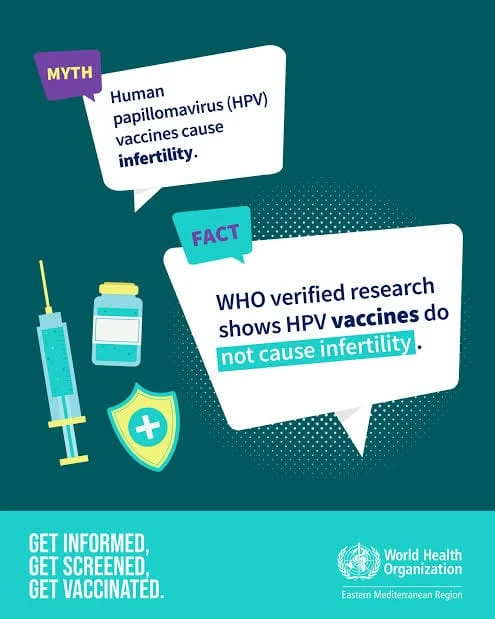
Other prevalent myths include the belief that the vaccine promotes promiscuity or early sexual debut, or that it is unnecessary for girls who are not yet sexually active. Perhaps most damaging is the unsubstantiated claim that the vaccine induces sterility. For many parents, the decision to withhold consent is not born out of malice but out of a profound distrust of the medical establishment, often exacerbated by a lack of direct engagement from trusted local figures.
"Who do we believe in this situation?" asked Mrs. Kanu, reflecting the sentiment of many parents caught between the directives of government officials and the fears propagated by their neighbors. This skepticism serves as a significant hurdle, as consent remains the primary gatekeeper for the vaccination of minors.
Official Responses and Strategic Counter-Narratives
Recognizing that clinical data alone is insufficient to combat deeply entrenched myths, the Federal Ministry of Health and Social Welfare has shifted its communication strategy to focus on personal testimony and community-level engagement.
Prof. Muhammad Ali Pate, the Coordinating Minister of Health and Social Welfare, has become a vocal champion for the vaccine, going so far as to publicly disclose that he consented to his own four daughters receiving the HPV vaccine. This move was intended to signal transparency and confidence in the vaccine’s safety profile to the broader public. During various forums, Minister Pate has repeatedly emphasized that the financial and emotional costs of treating cervical cancer far outweigh the negligible risks associated with the vaccine.
Community Outreach and Localized Solutions
At the state level, agencies like the Lagos State Primary Healthcare Board have adopted a grassroots approach. Dr. Kehinde Ososanya, a public health physician, highlights that the board’s strategy is rooted in "health education in local terms." By deploying community health officers who live and work within the communities they serve, the government hopes to dismantle myths through face-to-face dialogue.
"We have people who are specialized in ensuring that they go into the communities to educate our people," Dr. Ososanya explained. The initiative involves not just vaccination, but a holistic approach that links HPV immunization with other services like family planning, nutritional demonstrations, and routine child immunization. By making the primary healthcare center a hub of general well-being rather than just a site for "injections," health officials hope to build trust.
Broader Implications for Public Health
The struggle to normalize the HPV vaccine in Nigeria has broader implications for the nation’s health security. If the current vaccination coverage targets are not met, the country risks a stagnant trajectory in its cervical cancer mortality rates. Moreover, the prevalence of anti-vaccination sentiment poses a risk to other immunization programs, potentially weakening the overall public health infrastructure.
Medical experts warn that the window of opportunity is narrow. The vaccine is most effective when administered before exposure to the virus, making the 9–14 age bracket a critical period for intervention. Failure to reach these girls today will inevitably manifest as a surge in cervical cancer cases in the coming decades, placing an even heavier burden on an already strained healthcare system.
The Path Forward
To bridge the gap between medical science and public perception, the path forward appears to require a multi-faceted approach:
- Enhanced Communication: Moving beyond urban media campaigns to target the specific cultural anxieties of rural communities.
- Engagement of Gatekeepers: Increasing the involvement of religious and traditional leaders who hold significant sway over public opinion.
- Sustainable Access: Ensuring that the vaccine remains free and easily accessible at primary healthcare centers, reducing any logistical barriers for parents.
- Evidence-Based Transparency: Continuing to share data on vaccine safety and long-term outcomes to reassure the public that the government’s interest is solely in the health of the next generation.
As the government continues its push, the core message remains clear: the HPV vaccine is a prophylactic tool, not a social or political instrument. The goal is to provide a generation of Nigerian girls with a defense against a disease that is entirely preventable.
"The loss of about 6,000 Nigerian women yearly from a disease that is preventable is completely unacceptable," Minister Pate reiterated. For the families of those affected, and for the millions of young girls waiting for their protection, the success of this vaccination drive is not just a policy target—it is a matter of life and death. The ongoing effort to replace fear with fact is, therefore, the most critical public health challenge currently facing the nation.